
Alex Center: Branding in the age of everything looking good
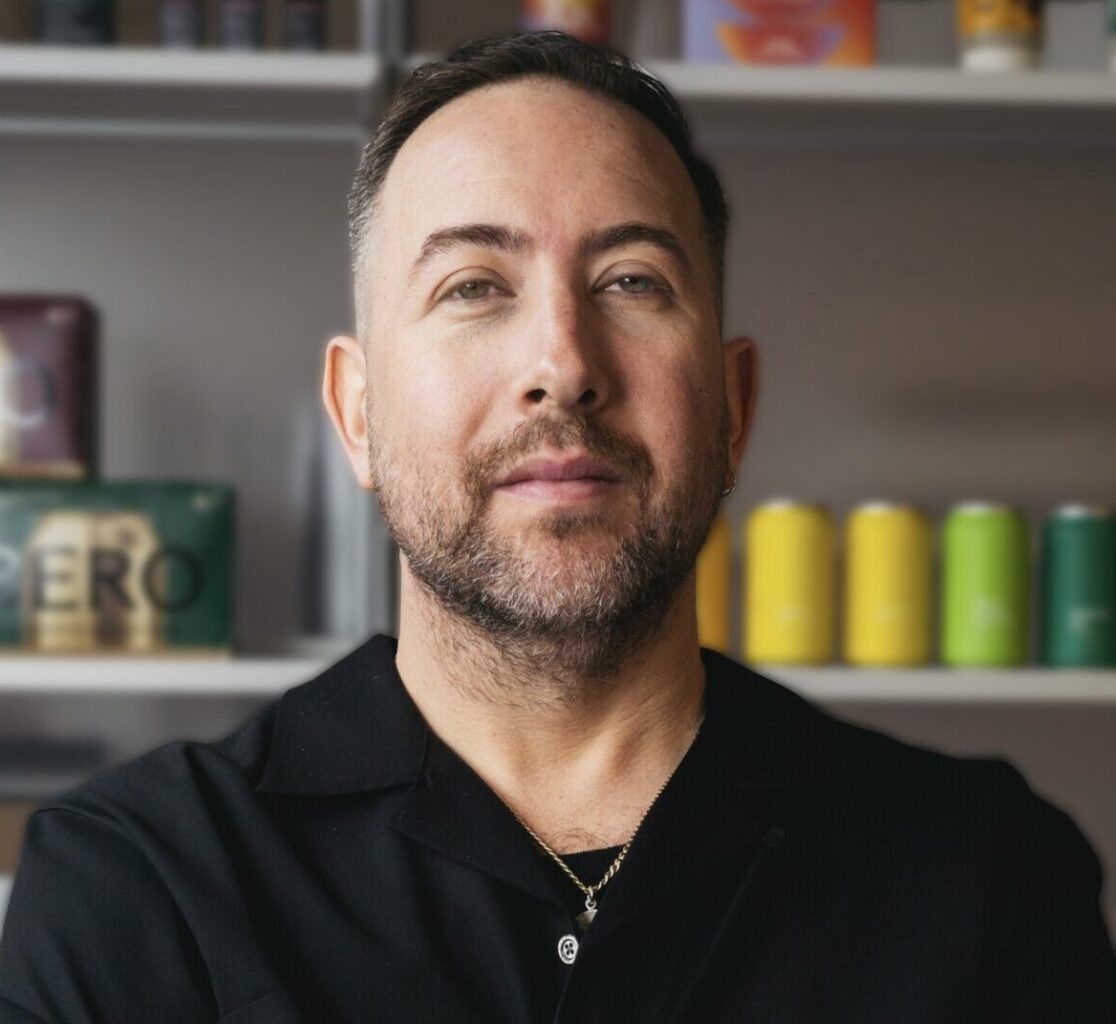
Brooklyn does not need another branding studio. By now, the borough has become a shorthand for a certain kind of creative ambition: exposed brick, carefully considered typography, and the quiet confidence of people who know that aesthetics alone are no longer enough.
Yet CENTER, founded by designer Alex Center in 2018, occupies a slightly different register. It is less a studio in the traditional sense and more a working hypothesis about how brands should behave in a culture where attention is fragmented, taste is abundant, and differentiation has become harder to justify.
“My name is Alex Center,” he says, almost as if introducing both himself and the studio at once. “Center is both my last name and the name of the studio that I’ve been running for eight years.”
There is a pause, the kind that suggests the sentence could continue indefinitely if given the space.
“Monday was her birthday, so it’s been a journey.”
Before CENTER, there was Coca-Cola. Before that, there was Vitaminwater. And before that, there was a version of design practice that belonged more clearly to the client side of the table.
“I was on the client side for the first decade of my career,” he says. “I originally worked on a beverage brand called Vitaminwater… not too far from where I grew up on Long Island.”
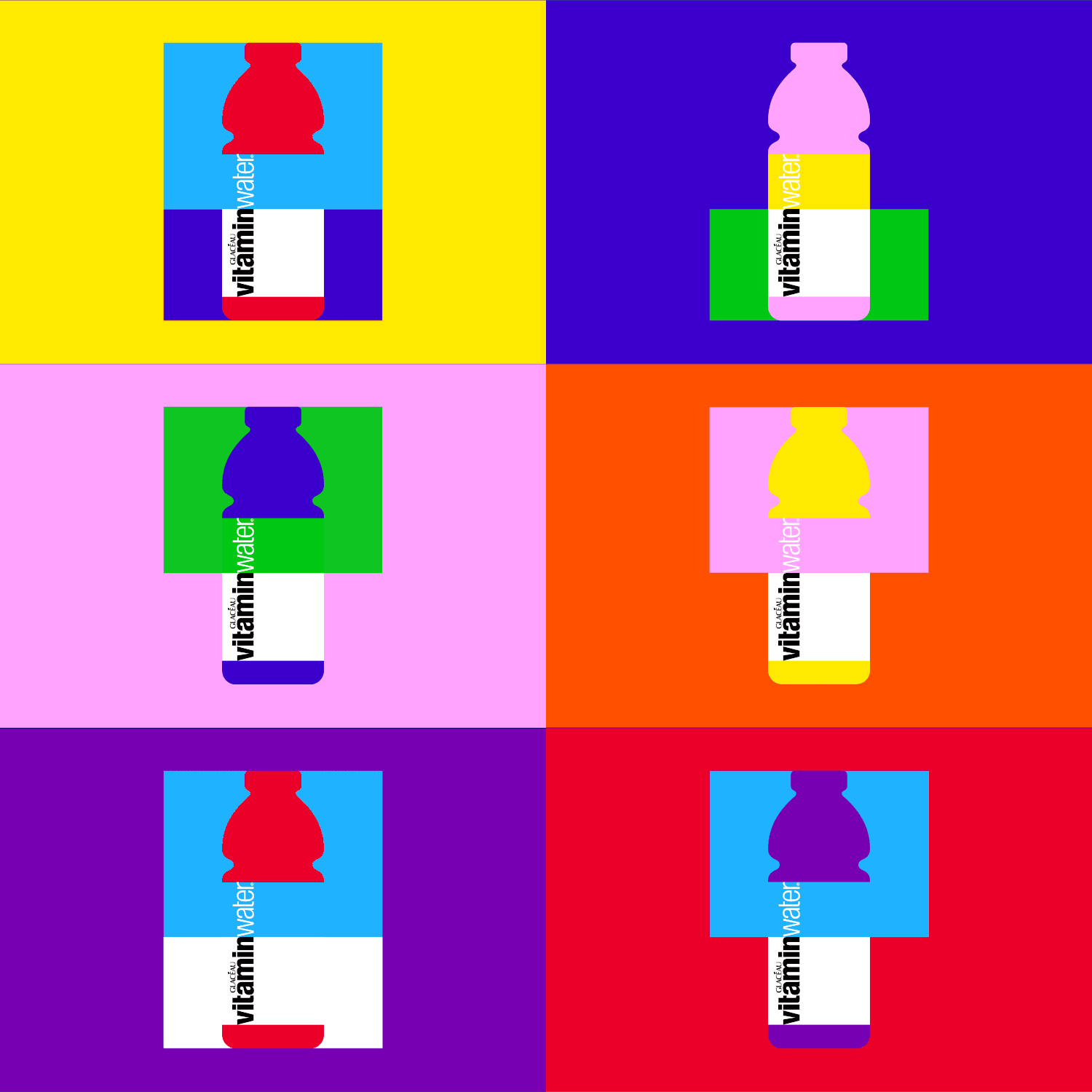
The brand, born in Queens and later acquired by Coca-Cola in a $4.1 billion deal, now reads like a case study in early-2000s cultural branding: health-adjacent, visually assertive, and deliberately positioned between lifestyle product and identity marker.
“It was one of the most iconic package designs of the 2000s,” he says. “From the medicinal-looking aesthetics, to the voice and tone of the copywriting, to the celebrity partnerships… it was just one of the coolest brands in the world.”
What mattered, he suggests, was not just that it sold water, but that it sold a version of belonging.
“People wanted to be seen with it and be a part of it.”
When Coca-Cola acquired Vitaminwater in 2007, Center found himself inside one of the world’s most recognisable brand systems. He stayed for more than a decade.
“I was still in my 20s and really learning,” he says. “Being able to work at the Coca-Cola Company was a huge honour and thrill.”
That period, he suggests, was less about individual expression and more about scale, systems, and repetition at a global level.
“It’s a company that sells soda, but stands for something much bigger,” he says of Coca-Cola, “but they also celebrate and champion happiness and sharing and something much bigger.”
It is this tension — between product and philosophy — that still underpins his thinking.
He will later take this perspective onto a wider industry stage as a headline speaker at London Packaging Week 2026, where branding, packaging and cultural relevance are increasingly treated as inseparable disciplines rather than separate functions.
Brand as identity, not decoration
After more than ten years inside one of the world’s most powerful brand machines, Center left in 2017 to start his own studio.
“Center was born,” he says. “And our work is primarily in branding and identity.”
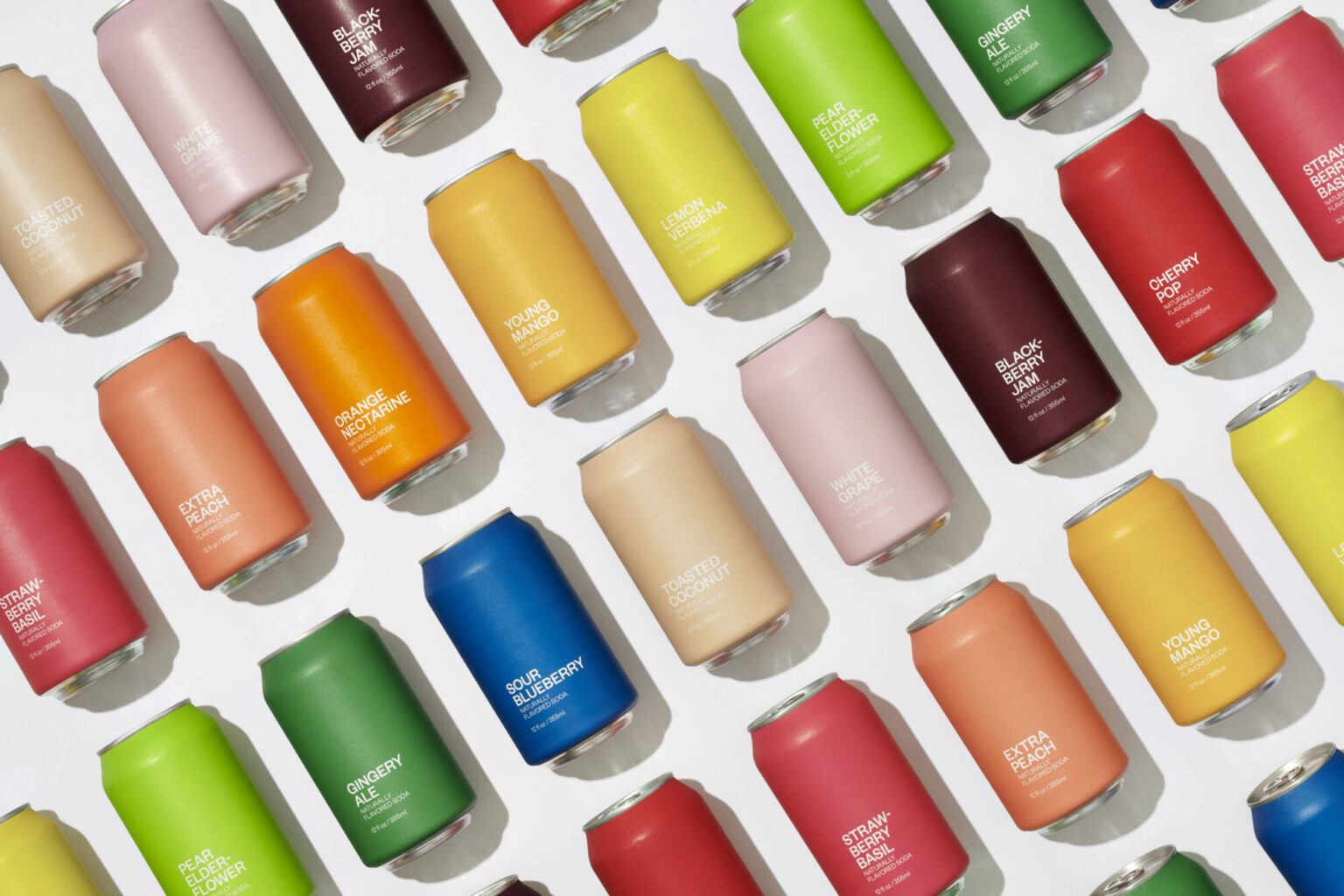
Today, the studio operates across consumer packaged goods, technology, and emerging brands. It has worked with companies including Apple, New Balance, and Coinbase, as well as a steady stream of new-to-world brands attempting to define themselves from scratch.
A large part of the work, he says, is still rooted in packaging.
“I love packaging,” he says, almost interrupting himself. “I sit in front of a wall of it.”
There is something tactile in the way he describes it, less as output and more as object.
“I’m a branding guy, I’m a design guy,” he continues, “but I’m also a lover of packaging and just romantic about getting to hold design and see it in your hand and see people carrying it with them.”
For him, branding only becomes meaningful when it moves from concept to culture.
“Most importantly,” he adds, “what it says about the people that enjoy it and use it as a form of identity and expression.”
The problem with everything looking good
If there is a central frustration in Center’s thinking, it is that contemporary branding has become too competent.
“That’s the big question, right?” he says. “Because everything looks good now.”
The implication is not that design has improved, but that distinction has eroded. Taste, once a differentiator, is now widely distributed.
“Using design just to make things aesthetically pleasing is not enough,” he says. “The brands that break through are the ones that have heart and soul.”
This, he argues, is where many contemporary brands fail: they optimise for appearance rather than meaning.
“They have ideas behind them,” he says, “and also build out a lifestyle element to the brand that is more than just the product.”
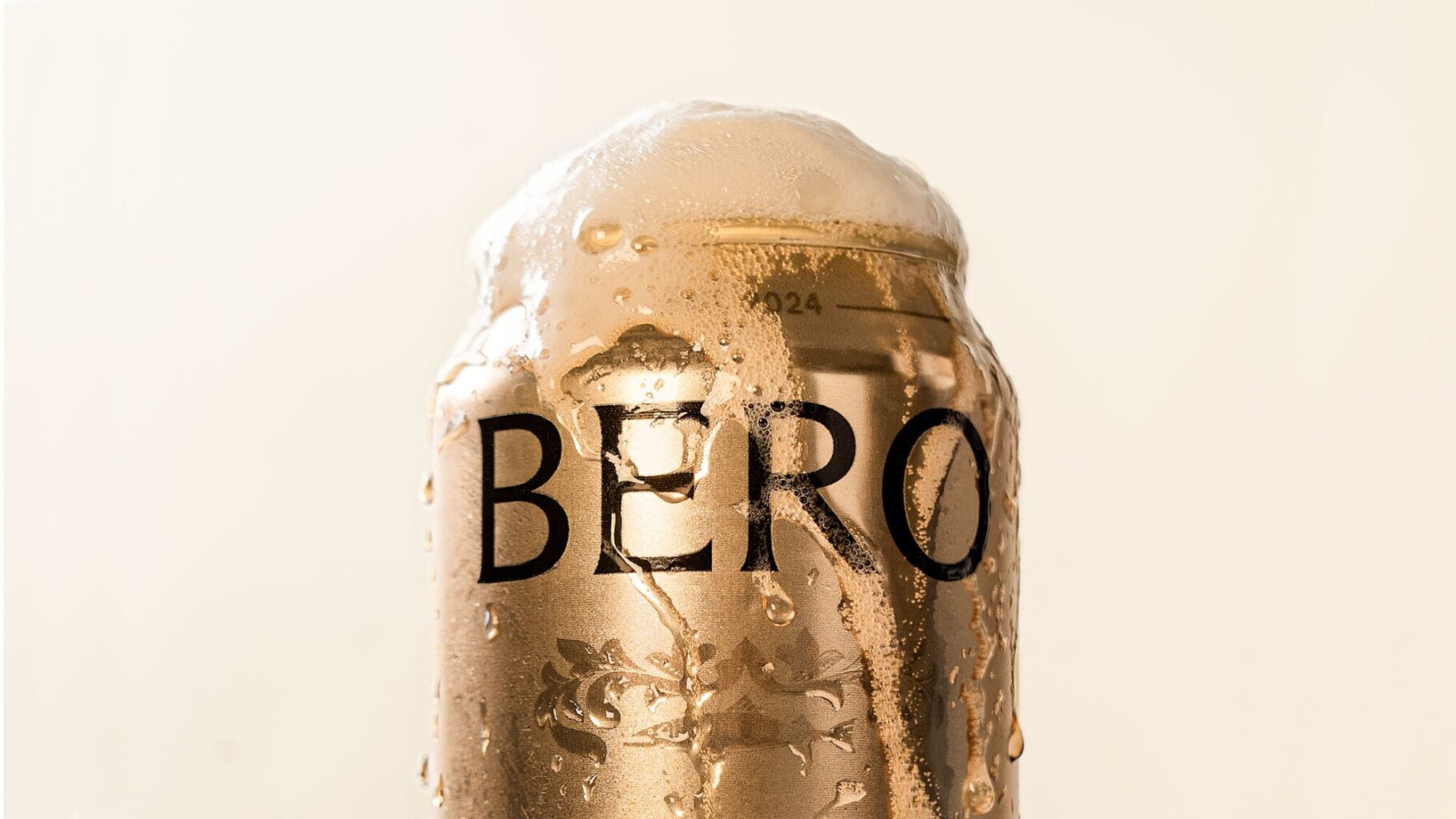
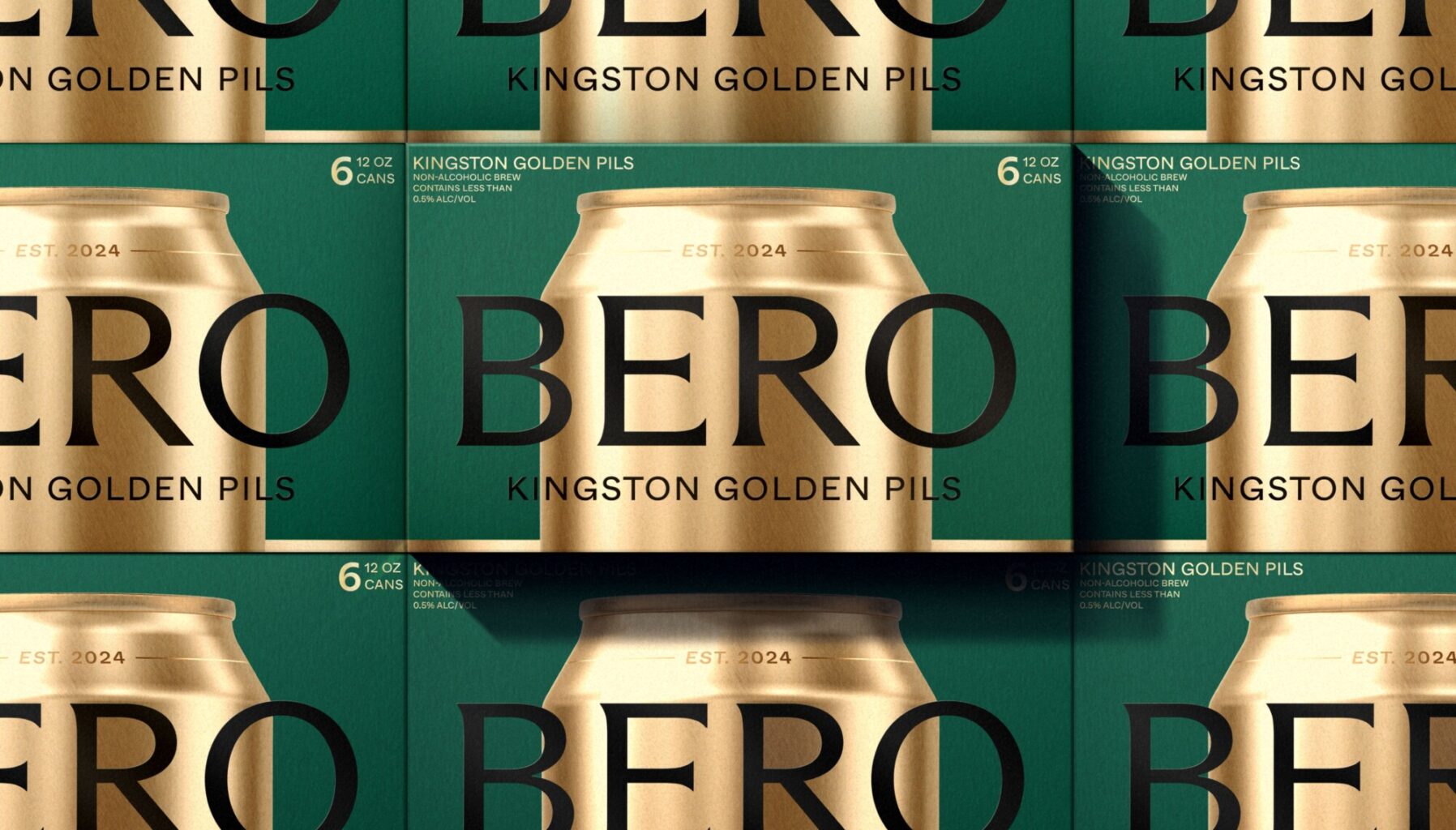
A recent example is Bero, a non-alcoholic beer brand developed with Tom Holland.
“That brand is not just about selling a product,” he says. “It’s about an elevated product, an elevated experience, elevated packaging, and an elevated lifestyle.”
The ambition is not category disruption for its own sake, but cultural placement.
“It’s something that you can put yourself into,” he says, describing it as existing between “a high-end wine bar, sport and paddle, food culture.”
In other words, it is not a drink. It is a position.
The risk of being different
For all the language of cultural positioning, the work of branding still collapses into a more basic tension: risk.
“The best brands are the most bold and courageous,” he says. “You have to have ambition to want to stand out.”
But ambition, he suggests, is not always stable once it meets execution.
“Sometimes it’s hard,” he says. “When they see the work, or it’s presented, it’s not always easy to commit to it.”
The hesitation is understandable. In most categories, failure is statistically more likely than success.
“I always think about how 85 to 90% of brands don’t make it,” he says. “So you’re better off taking a chance and trying something new that maybe doesn’t connect because it’s too brave than doing something too safe.”
This is where his role shifts from designer to intermediary — translating ambition into something a client can live with.
“There is a little bit of risk that has to be taken,” he says, “otherwise people will just ignore it.”
Over time, Center suggests, this approach has shaped the studio’s reputation.
“I’d like to think that Center is known for doing work that pushes bravery and boldness,” he says. “Zigging in categories.”
But expectation does not remove friction. If anything, it intensifies it.
“People sometimes come to us with that expectation,” he adds, “but it’s harder once they start to see work that feels riskier.”
Back to basics
For all the talk of cultural positioning and elevated experiences, Center believes branding is undergoing a correction.
“We’re kind of going back to some of the basics,” he says.
The reason is saturation. When everything is visually fluent, visual fluency alone no longer carries weight.
“Because everything is easier to do,” he says, “there are more designers than ever, more businesses launching into every category.”
The result is a return to fundamentals: intention, story, clarity.
“Clear positioning, clear target audience, and a compelling product people want to consume again and again.”
Even the best branding, he insists, cannot compensate for a weak product.
“You can get someone to try it,” he says, “but if they don’t like the product, they’re not coming back.”
The idea of timelessness
Increasingly, clients are asking for brands that feel less like interventions and more like inevitabilities.
“They don’t want brands that feel like a moment,” he says. “They want something that feels like it’s always been there.”
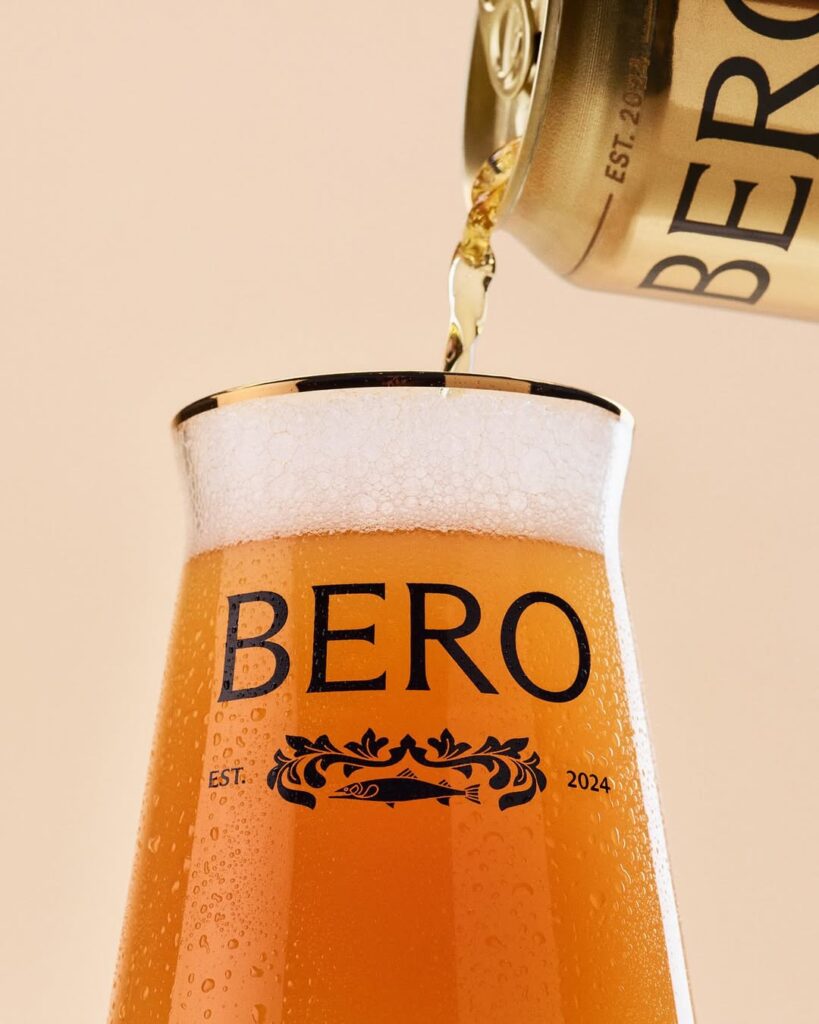
Bero, again, becomes an example of intent rather than outcome.
“It feels like a beer brand from the past that’s been modernised for the future,” he says. “That was intentional.”
In this sense, timelessness is not about neutrality. It is about control of perception over time.
“To me,” he adds, “that’s timeless design. Something that feels inevitable.”
The physical world still matters.
Despite working across digital-first brands, Center returns repeatedly to the physicality of packaging.
“So much of what we do is digital first,” he says, “but packaging is physical. You hold it.”
Months of work are compressed into a single object that must succeed instantly in the real world.
“It has to feel right in your hand,” he says. “On a shelf. Make you want to pick it up.”
Obsession, in his view, is not aesthetic indulgence but functional necessity.
“Materials, finish, detail,” he says. “That’s where obsession comes in.”
And ultimately, success is measured not in presentations, but in behaviour.
“Seeing people actually use it,” he says, “drink it, hold it, post it, and integrate it into their lives.”
In the end, Center’s work returns to a simple idea: brands are no longer just systems of identity, but systems of participation. They are not designed to be looked at, but to be joined.
The challenge, as he frames it, is not making something that looks good. It is making something people choose to become part of.
It is a theme that now runs more broadly through the industry, and one that will be explored further at London Packaging Week 2026 on 16 & 17 September 2026, where designers, brands and suppliers gather to examine how packaging is shifting from object to experience, and from communication to participation.
Check out our socials
Lorem ipsum dolor sit amet, consectetur adipiscing elit Lorem ipsum dolor sit amet, consectetur adipiscing elit
The latest packaging projects
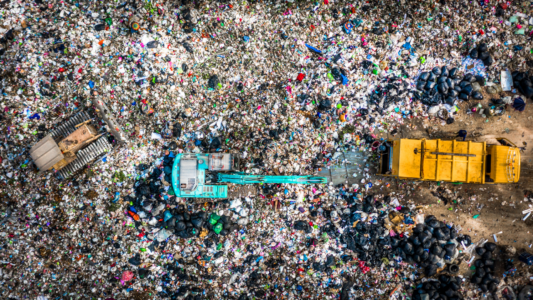
Is pEPR creating more packaging waste than it prevents?
Extended Producer Responsibility (pEPR) has moved from being a future regulatory requirement to an active business cost for UK food and drink producers. With invoices now being issued and further reporting deadlines approaching throughout 2026, packaging decisions are becoming increasingly important not only for sustainability but also for managing compliance costs.
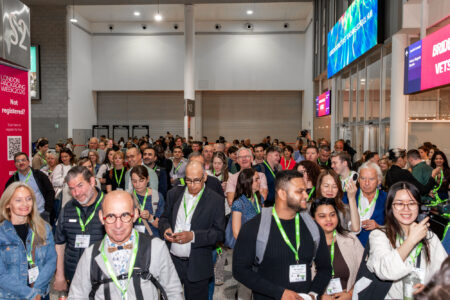
London Packaging Week smashes attendance record with 16% growth in 2026
A record 6,688 unique visitors attended London Packaging Week 2026, as more than 230 exhibitors and over 110 speakers helped deliver the biggest edition in the event’s history.