

English Tea Shop – FROM FARM TO CUP
Using sustainable storytelling to unlock the new premium
Nick Dorman, Managing Director, of Echo says: “In years past, ‘premium’ products were typically defined by heavy materials, elaborate designs, and gilt coatings. These were perceived as hallmarks of quality, craftsmanship, and exclusiveness. Now, with the increase in demand for ethical products, perceptions of what should define ‘premium’ and ‘luxury’ are changing. Sustainability has now become a symbol of an inclusive and democratic expression of luxury and is integral to a brand’s appeal the socially conscious consumer. This shift is particularly evident in the tea category. English Tea Shop has integrated ethical and sustainable sourcing and production to be a core part of their brand identity and design. Connecting with their customers from farm to cup, they have harnessed the power of bold storytelling to enrich their branding – a tactic adopted by luxury brands whose discerning client base desire reassurances of provenance and artisanal processes around the products they enjoy.”
Check out our socials
Lorem ipsum dolor sit amet, consectetur adipiscing elit Lorem ipsum dolor sit amet, consectetur adipiscing elit
The latest packaging projects

The price of prestige: Why luxury’s squeeze could make packaging more important than ever
Luxury consumers are spending more carefully, regulation is intensifying, and brands are being challenged to deliver more with less. Yet Jane Hamilton, Senior Business Journalist at The Times, believes the desire for luxury remains remarkably resilient. Speaking at London Packaging Week, she argued that changing prestige economics could make packaging more important, not less.
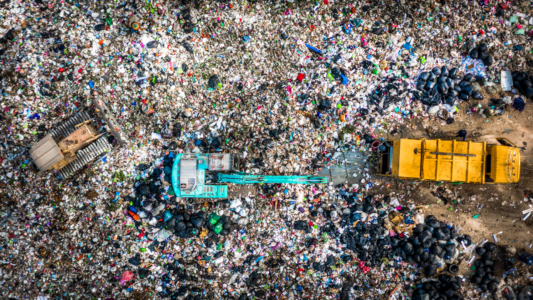
Is pEPR creating more packaging waste than it prevents?
Extended Producer Responsibility (pEPR) has moved from being a future regulatory requirement to an active business cost for UK food and drink producers. With invoices now being issued and further reporting deadlines approaching throughout 2026, packaging decisions are becoming increasingly important not only for sustainability but also for managing compliance costs.