


The price of prestige: Why luxury’s squeeze could make packaging more important than ever
Luxury consumers are spending more carefully, regulation is intensifying, and brands are being challenged to deliver more with less. Yet Jane Hamilton, Senior Business Journalist at The Times, believes the desire for luxury remains remarkably resilient. Speaking at London Packaging Week, she argued that changing prestige economics could make packaging more important, not less.
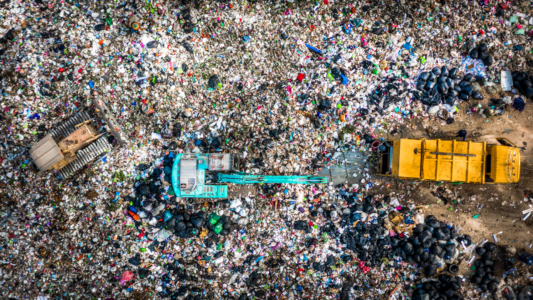
Is pEPR creating more packaging waste than it prevents?
Extended Producer Responsibility (pEPR) has moved from being a future regulatory requirement to an active business cost for UK food and drink producers. With invoices now being issued and further reporting deadlines approaching throughout 2026, packaging decisions are becoming increasingly important not only for sustainability but also for managing compliance costs.