
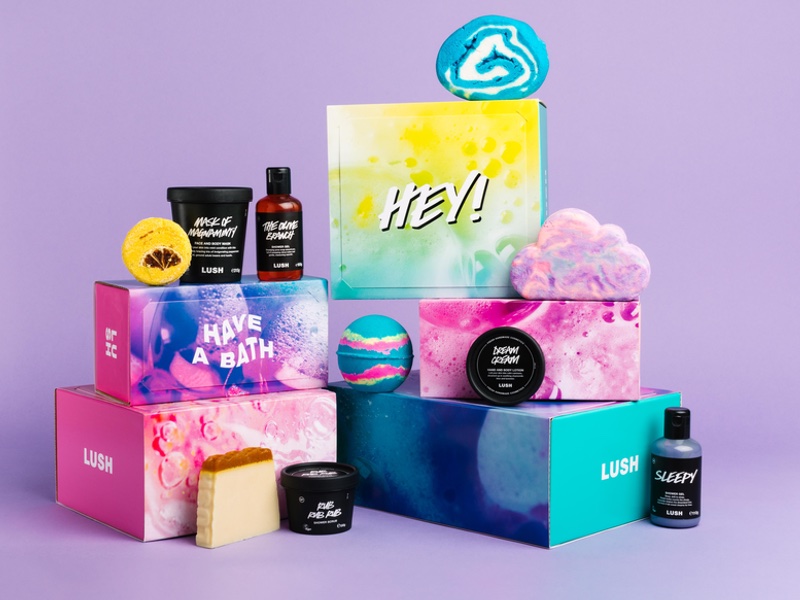


Lush’s anti-big tech stance: Millions saved in Google ad spend reduction

In a bid to engage with customers in digital spaces that align with its ethical standards, the cosmetic retailer is reducing its Google investment by a third.

To protect its bath bomb trademark, the cosmetics retailer has decided to cut its investment in Google Ads, amounting to millions, and decrease its platform spending by one-third. 

The company aims to reallocate the saved funds towards smaller tech firms and open-source solutions, allowing it to engage with customers in digital spaces that are more ethical.

“We wish to have zero reliance on the rabbit hole that is ‘trademark buccaneering’ on Google in favour of interacting with our customers in more ethically sound digital scenarios, such as across the metaverse,” said the company. 

“Lush feels that we are at a parapet moment of big tech rebellion and we want to be there for the opening procession.”

Lush CEO Mark Constantine added: “At present, there is a lack of collaboration and goodwill among companies. 

“Many businesses are buccaneering with trademarks and IP – straight out of the pirate textbook – and this needs to change so that problems beyond the reach of a single business can be solved.”

The company has set a deadline of 1 July to slash its spending. 


Check out our socials

Lorem ipsum dolor sit amet, consectetur adipiscing elit Lorem ipsum dolor sit amet, consectetur adipiscing elit

The latest packaging projects

The price of prestige: Why luxury’s squeeze could make packaging more important than ever

Luxury consumers are spending more carefully, regulation is intensifying, and brands are being challenged to deliver more with less. Yet Jane Hamilton, Senior Business Journalist at The Times, believes the desire for luxury remains remarkably resilient. Speaking at London Packaging Week, she argued that changing prestige economics could make packaging more important, not less.
Read More »
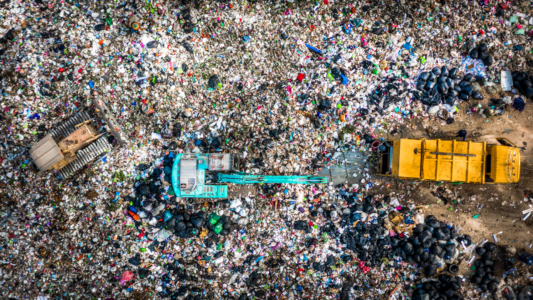
Nearly half of businesses report increased packaging waste under pEPR

Is pEPR creating more packaging waste than it prevents?

Extended Producer Responsibility (pEPR) has moved from being a future regulatory requirement to an active business cost for UK food and drink producers. With invoices now being issued and further reporting deadlines approaching throughout 2026, packaging decisions are becoming increasingly important not only for sustainability but also for managing compliance costs.

Read More »