
Are glass bottles worse than plastic?

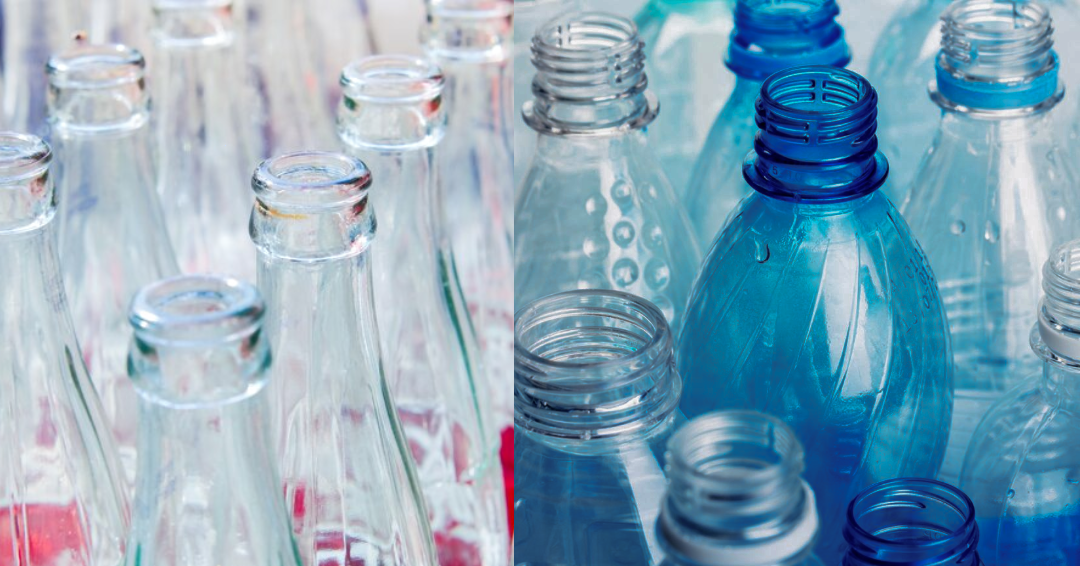
Glass bottles side by side with plastic bottles in an article debating whether glass bottles are worse than plastic

Contrary to popular belief, a new study by France’s food safety agency (ANSES) reveals that drinks in glass bottles contain significantly more microplastics than those in plastic or metal packaging.

For years, glass has been promoted as the safer and more eco-friendly alternative to plastic. Plastic packaging has been heavily criticised for contributing to pollution and microplastic exposure.

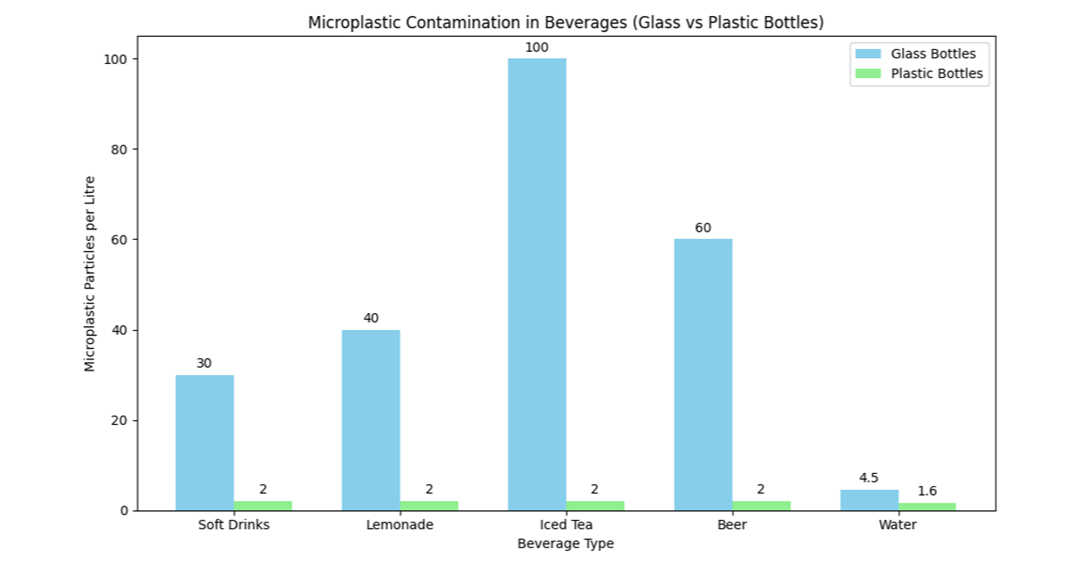
Despite this, researchers discovered that soft drinks, lemonade, iced tea, and beer in glass bottles contained approximately one hundred microplastic particles per litre, five to fifty times more than similar drinks in plastic bottles. Water showed lower contamination overall, with 4.5 particles per litre in glass versus 1.6 in plastic.

The source of these particles was traced not to the glass itself, but to the painted metal caps. Microscopic abrasions on the caps caused tiny paint flakes to fall into the beverages.

ANSES noted that simple cleaning methods such as air-blowing and rinsing caps with water and alcohol could reduce microplastic levels by up to 60%, offering a practical solution for beverage producers.

Check out our socials

Lorem ipsum dolor sit amet, consectetur adipiscing elit Lorem ipsum dolor sit amet, consectetur adipiscing elit

The latest packaging projects

Big Brands Back Digital Watermarks for Flexible Plastic Recycling

Big brands bet on digital watermarks for plastic recycling

Extended Producer Responsibility (pEPR) has moved from being a future regulatory requirement to an active business cost for UK food and drink producers. With invoices now being issued and further reporting deadlines approaching throughout 2026, packaging decisions are becoming increasingly important not only for sustainability but also for managing compliance costs.

Read More »