Tesco explores barcode-free packaging in ‘next generation’ retail trial
The UK retail sector could be on the brink of a significant shift in packaging technology, as Tesco tests a move away from traditional barcodes in favour of more advanced digital alternatives.
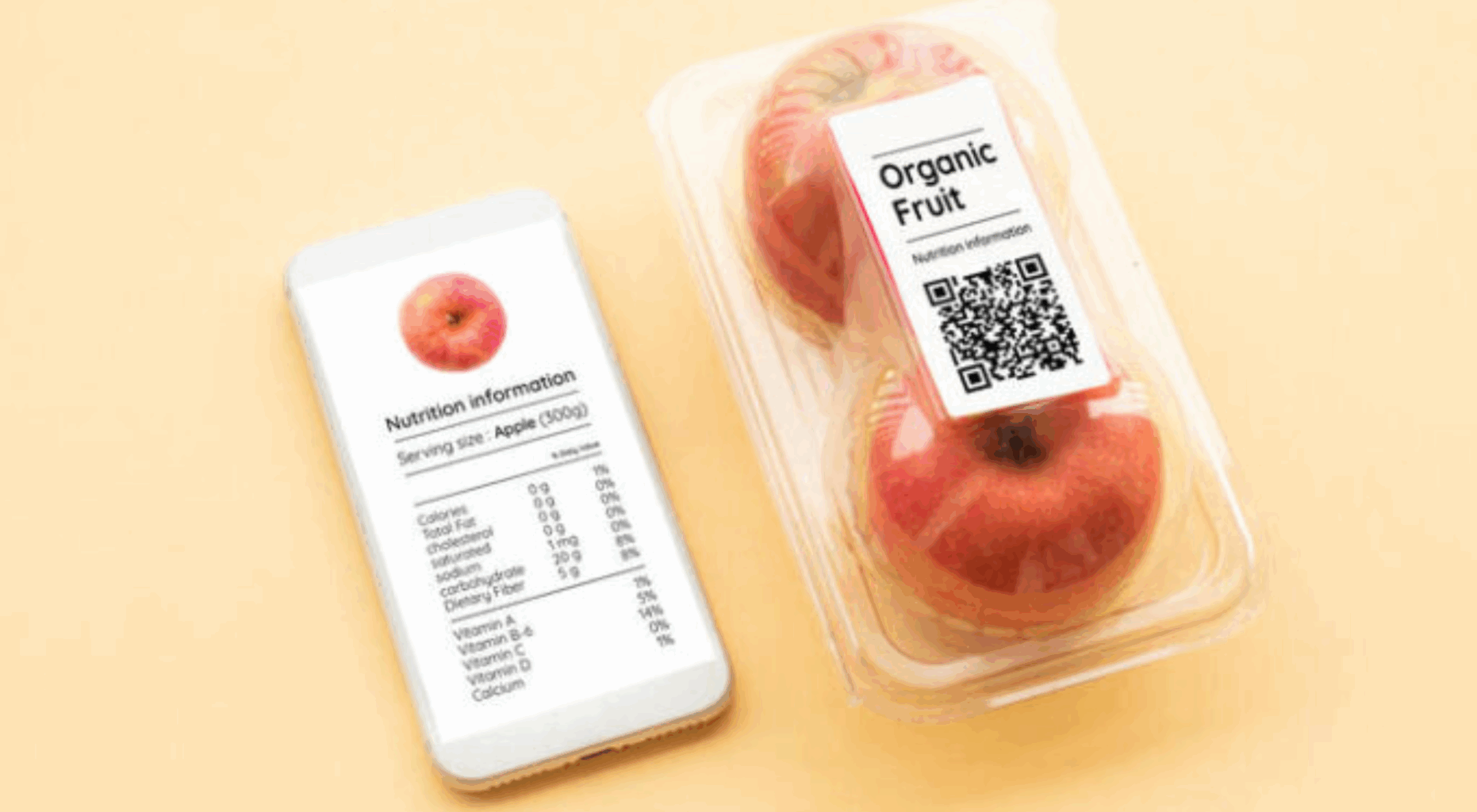
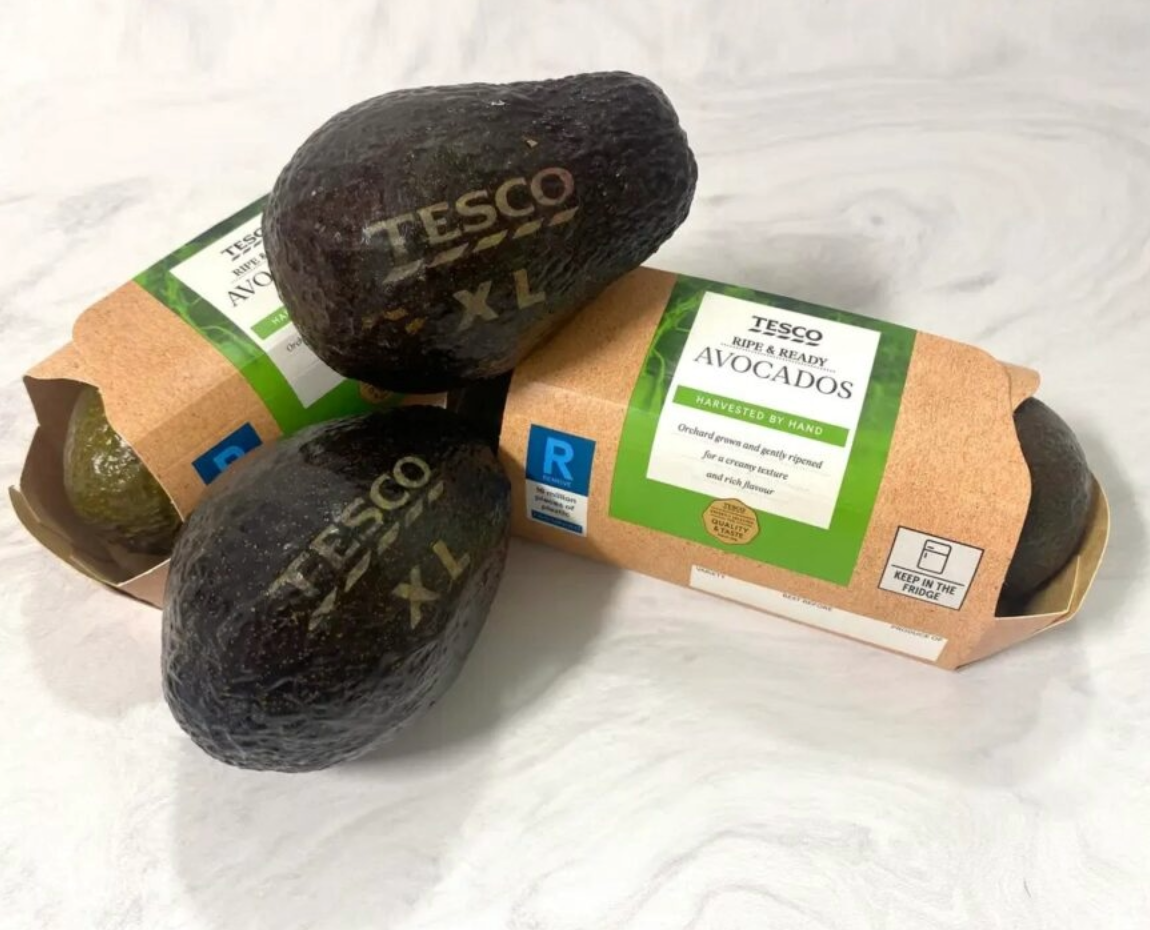
The supermarket has begun trialling the use of next-generation codes—such as QR-style digital markers—on selected products. The initiative is being positioned as a major step forward in how packaging connects with both retailers and consumers.
Beyond the Traditional Barcode
For decades, the standard barcode has been a cornerstone of retail operations, enabling efficient scanning, stock management, and pricing. However, its functionality is limited to a single data point.
Newer digital codes offer far greater flexibility. They can store significantly more information and can be interacted with by both checkout systems and consumer devices such as smartphones.
In practical terms, this means packaging could act as a gateway to a wide range of digital content, including:
- Product origin and provenance
- Nutritional and ingredient information
- Sustainability credentials
- Usage instructions and recipes
- Personalised promotions
Enhancing the Consumer Experience
One of the most compelling aspects of Tesco’s trial is its potential to transform how shoppers interact with products.
Instead of relying solely on physical labels, consumers could scan a code to access real-time, detailed information. This not only supports transparency but also allows brands to update content dynamically without changing the packaging itself.
For example, a product’s sourcing information or sustainability impact could be refreshed digitally, reducing the need for constant redesigns and reprints.
Operational Benefits for Retailers
The shift also has implications for retail efficiency. Advanced codes can integrate more seamlessly with inventory systems, potentially improving stock visibility and reducing errors.
They may also enable smarter supply chain management, including better tracking of products throughout their lifecycle.
A Step Toward Smarter Packaging
Tesco’s move reflects a broader trend toward “connected packaging,” where physical packs are integrated with digital ecosystems.
For packaging professionals, this raises important questions around design and implementation. Packaging must now accommodate both visual branding and functional digital interfaces, without compromising usability or aesthetics.
Industry Impact
If widely adopted, barcode alternatives could reshape packaging standards across multiple sectors. However, success will depend on consistent implementation, industry collaboration, and consumer adoption.
Key challenges include:
- Ensuring compatibility across retail systems
- Maintaining ease of use at checkout
- Educating consumers on how to interact with new codes
Despite these hurdles, the potential benefits suggest that connected packaging could become a defining feature of the next generation of retail.

Check out our socials
Lorem ipsum dolor sit amet, consectetur adipiscing elit Lorem ipsum dolor sit amet, consectetur adipiscing elit
The latest packaging projects

Alex Center: Branding in the age of everything looking good
Alex Center, founder of Brooklyn-based branding studio CENTER, reflects on a career shaped by Coca-Cola, cultural branding, and the evolution of identity-led design, ahead of his appearance at London Packaging Week 2026.

Understanding the market, leading the conversation
London Packaging Week brings together the industry’s leading minds at a moment when packaging is no longer competing for attention, but for meaning—where cultural pressure, commercial reality and consumer expectation collide.