As global brands accelerate efforts to reduce their environmental impact, one of the most visible shifts is the move away from plastic packaging. However, recent work by Disney on its Princess doll range highlights a key reality for the packaging sector: removing plastic is rarely straightforward-especially when product presentation is central to the consumer experience.
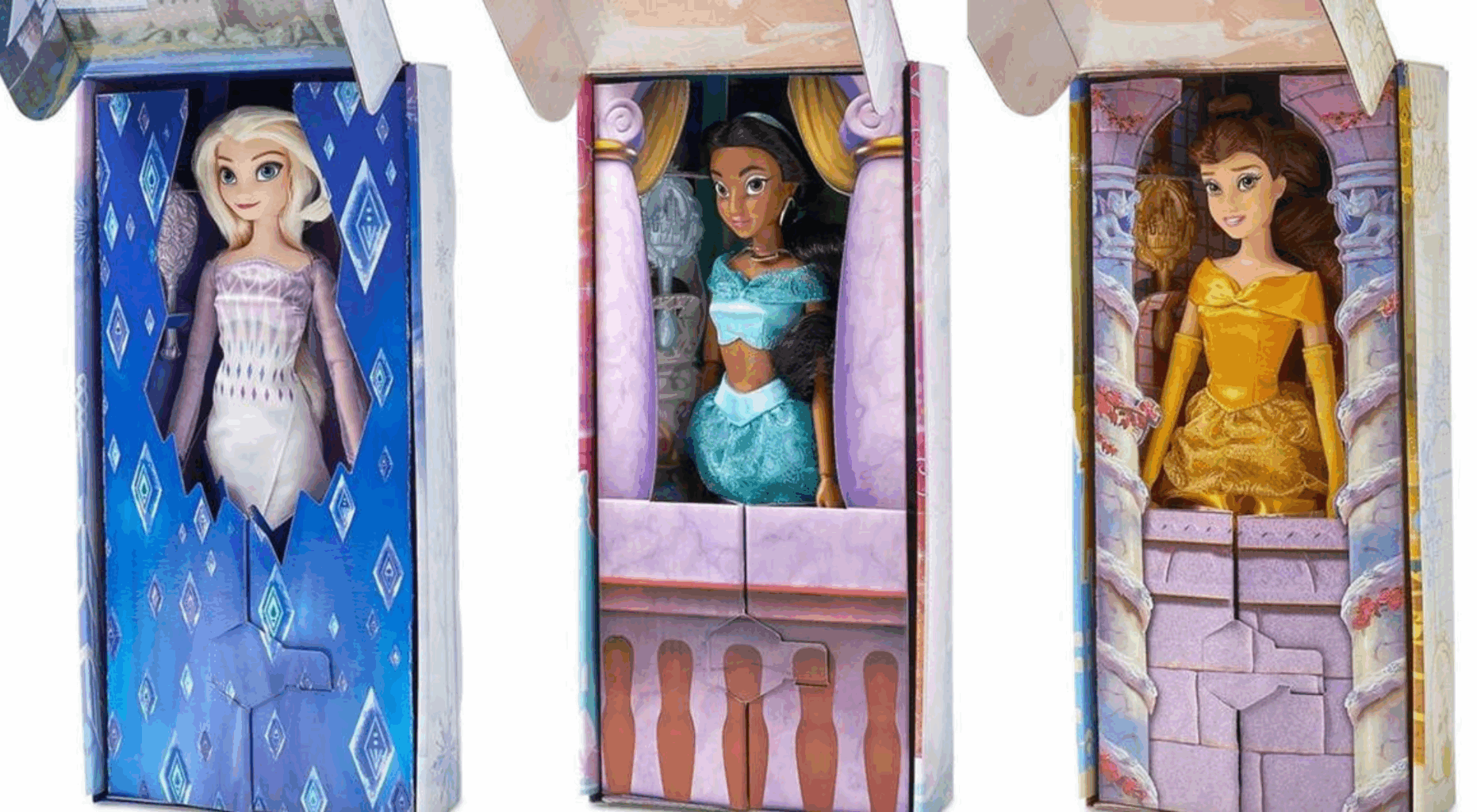
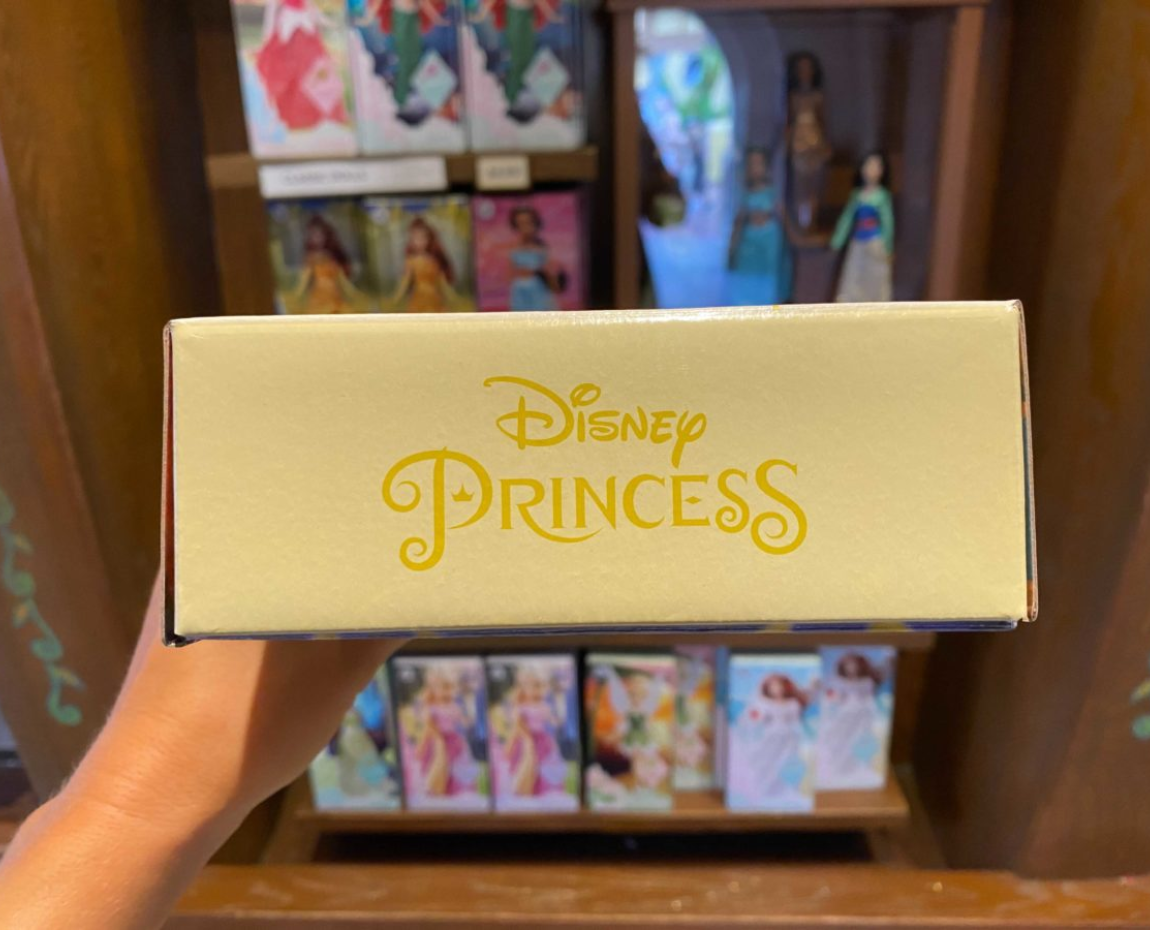
Disney has begun transitioning its classic dolls away from traditional plastic display boxes, replacing them with fibre-based packaging solutions. While the environmental case is clear—reducing reliance on fossil-based materials and improving recyclability—the shift required a fundamental rethink of how products are showcased.
The Importance of “Shelf Appeal”
For toy products in particular, packaging is not just functional-it is an essential part of the brand storytelling. Clear plastic windows have long been used to allow customers to view the doll inside, creating an immediate emotional connection and helping drive purchase decisions.
Removing that visual access introduced a major design challenge: how to preserve excitement and perceived value without directly showing the product. According to the design teams involved, this issue of presentation was the most difficult aspect of the redesign process.
To address this, Disney explored a range of techniques, including high-quality printed imagery, carefully designed cut-outs, and more expressive graphic treatments. The goal was to ensure the packaging remained engaging while still communicating what the customer could expect inside.
Balancing Sustainability and Consumer Expectations
The transition also required careful consideration of materials. Fibre-based packaging systems offer clear environmental benefits, particularly in terms of recyclability and reduced plastic waste. However, they can behave differently in terms of durability, manufacturing processes, and visual finish.
Designers therefore had to strike a balance between sustainability goals and the premium feel consumers expect from branded products. This included refining printing techniques, structural integrity, and packaging formats to ensure consistency across retail environments