
Selling luxury? You need to sell the feeling first
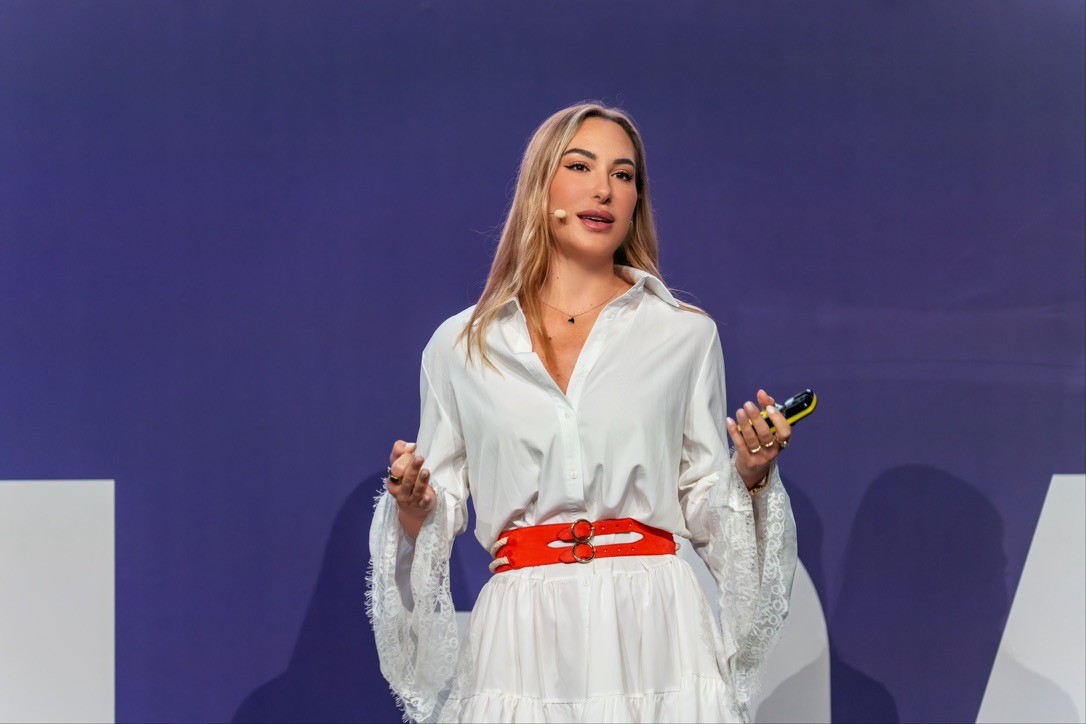
Piera Toniolo, Global Head of Influencer Marketing at Dolce&Gabbana Beauty, argues that in luxury, the story is never decoration, it is the product.
Ahead of her keynote at London Packaging Week 2026, she explains how the legendary Italian design house coordinates emotion across every touchpoint, from campaign concept to PR gifting, and why packaging is where that story finally becomes something you can hold.
Hear the name Dolce&Gabbana Beauty and your soul is transported. Whether that’s to the front row of a Milan catwalk, or sipping espresso in a boho café that kisses the shores of Lake Garda, the effect is not accidental. It is engineered, very carefully, across every element of the brand. Few people understand that machinery better than Piera Toniolo.
Piera has spent 15 years working inside luxury fashion and beauty, long enough to watch the power dynamic between brands and consumers reverse almost completely. She has seen brands that once dictated desire start listening out for it instead. And as Head of Influencer Marketing, she has spent her career at the intersection of story, creator, culture, and commerce, figuring out how a house like Dolce&Gabbana can mean something specific to a consumer in Seoul and something equally specific, yet equally true, to a consumer in Turin.
At London Packaging Week 2026, returning to ExceL London on 16 & 17 September, she will take the stage to explore how prestige brands maintain their identity as they scale globally, and why packaging sits right at the heart of that challenge.
The story comes first
Piera is direct and pragmatic about where luxury begins. “When you sell luxury, you don’t just sell the product, you sell emotions,” she says. “There is craftsmanship, there is creativity, and there is storytelling, but that is not enough to sell products that cost a fortune. So you sell a story alongside that.”
That story is not decided by one team. At Dolce & Gabbana Beauty, a communication concept is developed and aligned across every department simultaneously. Product developers, the image team, social media, digital, and communications all position around the same central idea. From there, each function creates work that reflects it. A campaign is built and music is chosen, often to evoke Italianity or something audiences across the world can connect to. Creators and talents are found that can carry the story into their own communities, in their own voice.
“Every department creates work that reflects that storytelling,” she explains. “Creators and talents interpret it. They may be actors, singers, artists, influencers, YouTubers, and each one tells the story in a different way, while still aligning with the core message.” From retailers to events and in-store environments, everything is coordinated, with the designers at Dolce&Gabbana acting as directors.
She puts a number on the relative weight of each element. “I would say it is 60-40. The story is 60 percent, because if the story is not strong, nothing else works. The remaining 40 percent is about how the 360-degree approach is deployed, how it is timed, and how it aligns with key consumer moments throughout the year.”
The luxury market has shifted
Piera traces a clear line in how luxury brand communications have changed since she started her career. “I remember when I started working in fashion at Missoni Etro. At that time, brands like Versace were able to dictate the storytelling. They initiated what they wanted to give to consumers.”
That model, she says, has gone. “Now it is very different. We listen far more to what consumers want.”
In beauty, that means long consumer panels to understand which scents or textures people are drawn to. In fashion, it means tracking whether consumers still want certain materials or whether preferences are shifting.
The most significant shift, in her view, is the demand for openness. “What consumers want most today is transparency. They want to know about the process, how products are made, and who is involved.” For beauty specifically, that means questions about vegan credentials, for fashion, the use of fur and leather, or alternative materials. “Transparency is probably the most important expectation we see today.”
The global pandemic accelerated further change, particularly in Asia. Before COVID, Chinese consumers typically aspired heavily to Western luxury brands. That assumption no longer holds, as Piera explains. “Now what we observe is that Chinese consumers increasingly want to buy Chinese brands that represent their own culture. That was not the case before.”
The same story, told differently
Running global campaigns without losing cultural relevance is, by Piera’s own description, one of the hardest parts of her job. The challenge is to maintain control of the narrative and brand DNA, while allowing local teams genuine freedom to adapt.
“You cannot simply copy and paste a story globally. You have to adapt it without losing the essence.” The risk runs both ways, because local teams sometimes understand their specific consumers better than the central team does. “Sometimes you think you know best as a professional, but you do not always understand the local consumer language.”
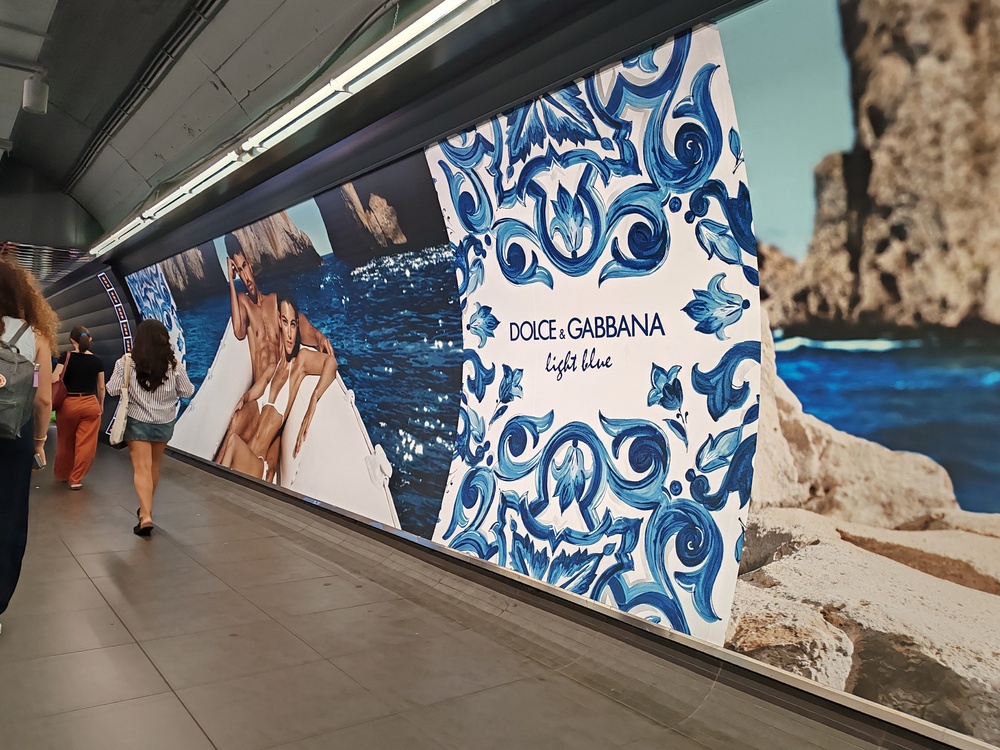
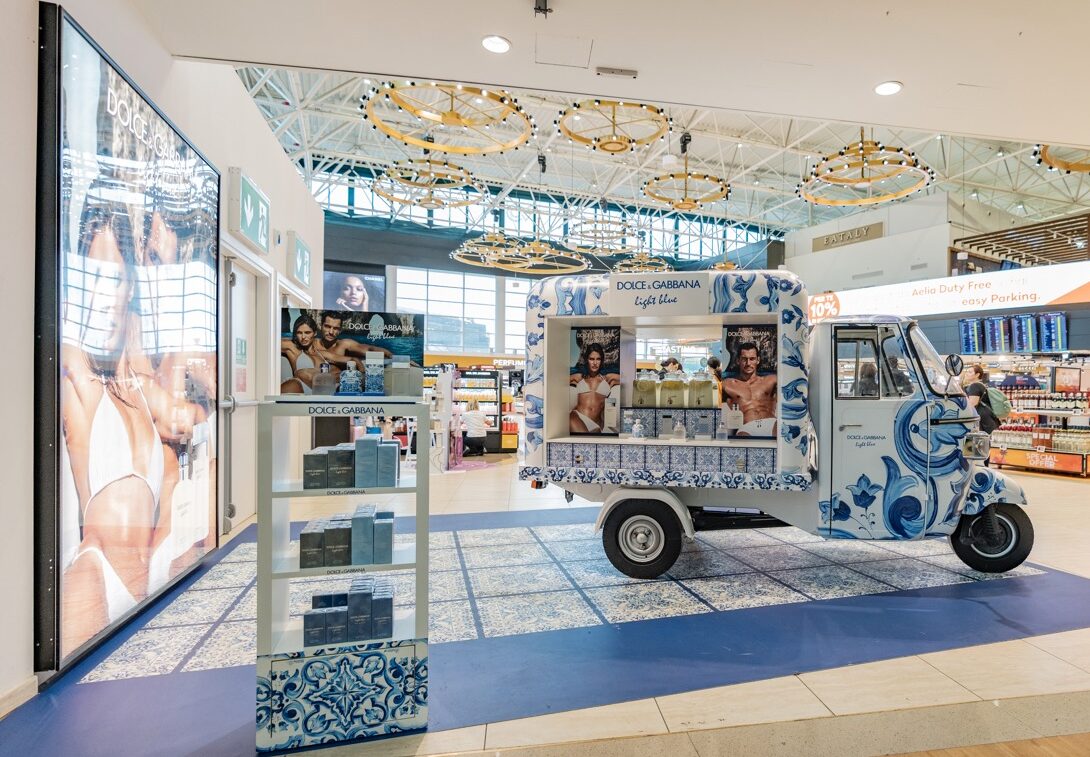
She uses Dolce&Gabbana’s Light Blue as an example. The campaign tells a love story between two young people, Theo James and Vittoria Ceretti, in Capri. It features all the chic neo-classical Italian imagery one can imagine: diving into the Mediterranean Sea, white swimwear, and the unmistakable vibe of summer in southern Italy.
“This works across much of the Western world. But in the Middle East or Muslim countries in general, which is more conservative, that same visual storytelling would not work in the same way.” The story survives; but the execution changes. Capri, the sea, and the love are all still present, but expressed differently.
Ambassador selection follows the same logic. “In Asia, if you do not use Asian celebrities, it is very difficult to sell luxury products because consumers strongly associate with local figures.”
For instance, Irina Shayk resonates in the West but may not land at all in Korea. So local campaigns are built with local talent who can carry the same story into a different cultural context.
Packaging as first touchpoint
For Piera, packaging is not where the story ends. It is often where it starts.
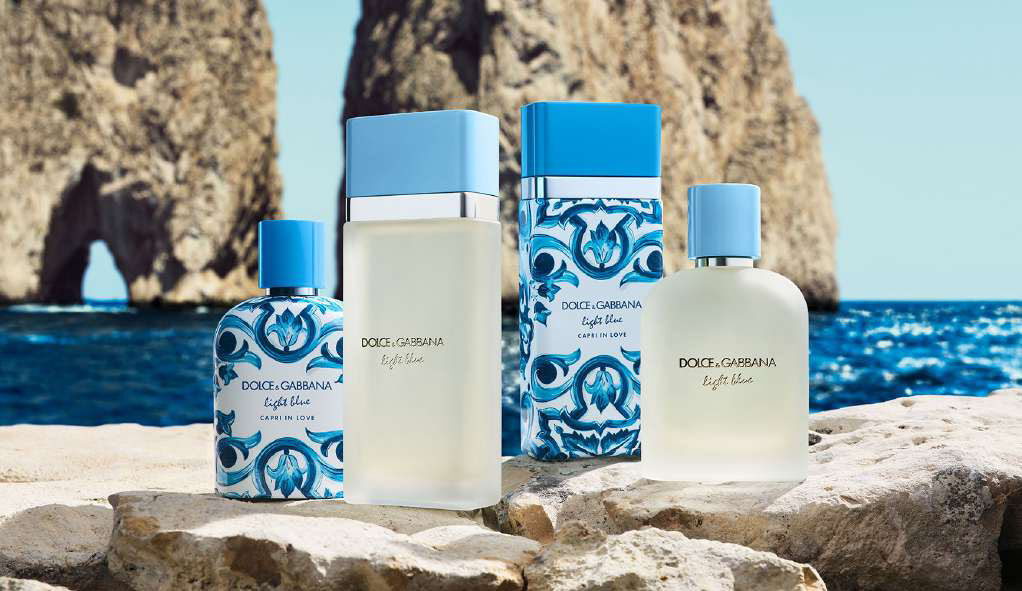
“Packaging is definitely fundamental, especially in beauty,” she says. “The shape of the packaging can convey a specific message.” Eye creams carry different formal cues to lifting products. The material choices, the weight in the hand, and the visual language of the structure, are already telling the story before the product is experienced.
This logic extends directly into PR and creator gifting. “When we promote a new product, we often work on seeding, or PR gifting to creators and talent. The outer packaging is just as important as the product itself.” A creator’s first encounter with a Dolce&Gabbana Beauty launch is the PR kit that arrives at their door, weeks or months before the product reaches shelves. That kit must carry the story on its own.
“Brands start working on PR kits approximately two years before a product launch,” she adds. The timescales involved reflect how seriously this first-touch moment is taken.
Consumer expectations around that gifting have also changed. “Today, influencers and creators receive so many gifts that they prefer items that last, that are reusable or meaningful. There is a strong move away from disposable packaging.” The brands responding to this are building objects people genuinely want to keep; cocktail shakers, collectible items, charms that attach to lipsticks. The packaging becomes part of the story it is meant to tell, long after the product inside has been used.
Becoming inevitable
Piera ends where she begins, with emotion.
“The magic of a great launch is that everyone wants to be number one, everyone wants to be the best, and everyone wants to be desired. But the real impact is when you create something that feels like it has always existed in the consumer’s life. It feels inevitable, as if it was always meant for them.”
That feeling of inevitability, the sense that a product, its packaging, its campaign, and its story have simply always belonged together, is the goal she is working towards every time. Getting there requires years of planning, dozens of tightly coordinated decisions, and a story strong enough to hold every element together.
“Ultimately, when we launch a product, we start working on its storytelling years in advance. Everything matters: the packaging, the campaign, the creators, the music, the talent, and the gifting experience.”
The result, when it works, is something that stops feeling like marketing. It becomes something people feel emotionally connected to, a sense of place, a heritage, a fragment of a world they want to belong to. That is a lesson with direct relevance for everyone working in packaging. The bottle, the box, and the kit that arrives on a creator’s doorstep are not mere containers. They are the first chapter of a story that, if it is told well, the consumer will carry with them long after the product is gone.
Piera will be delivering an unmissable keynote presentation at London Packaging Week, which returns on 16 & 17 September at Excel London. Register your interest in the event at www.londonpackagingweek.com.
Check out our socials
Lorem ipsum dolor sit amet, consectetur adipiscing elit Lorem ipsum dolor sit amet, consectetur adipiscing elit
The latest packaging projects
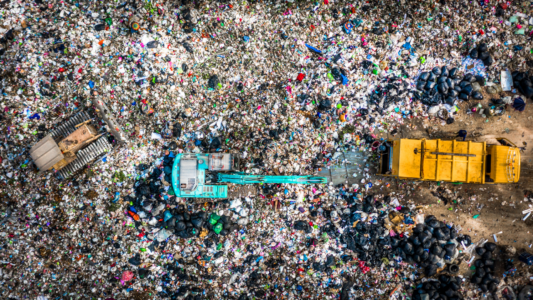
Is pEPR creating more packaging waste than it prevents?
Extended Producer Responsibility (pEPR) has moved from being a future regulatory requirement to an active business cost for UK food and drink producers. With invoices now being issued and further reporting deadlines approaching throughout 2026, packaging decisions are becoming increasingly important not only for sustainability but also for managing compliance costs.
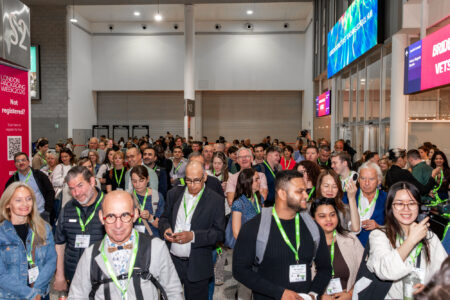
London Packaging Week smashes attendance record with 16% growth in 2026
A record 6,688 unique visitors attended London Packaging Week 2026, as more than 230 exhibitors and over 110 speakers helped deliver the biggest edition in the event’s history.