
Packaging is where brands keep their promises

More than anything, packaging is now the key proving point for brands. Ahead of London Packaging Week, experts from Bulletproof, Distinctive BAT, Free The Birds, Here, PA Consulting, Stranger & Stranger and Villeger explain what that means for the brands designing for lasting loyalty.
We often talk about packaging as though its primary job is to win attention.
Can it stop shoppers in their tracks? Can it stand out in an increasingly crowded category? Those questions still matter, but increasingly they are not the ones that matter most.
Today’s consumers rarely meet a product for the first time on the shelf. They’ve already encountered it through advertising, social media, reviews or recommendations.
Instead of introducing a brand, packaging increasingly is being asked to prove it.
That subtle shift changes packaging’s role. It is judged not simply by whether it captures attention, but by whether it confirms everything the brand has already promised.

Beth Drummond, Creative Director at Bulletproof, believes this is one of the defining challenges facing today’s packaging designers.
“The second look isn’t won on the shelf; it’s earned long before the consumer gets there. Great packaging acts as the final confirmation in that journey, not the opening introduction.”
If packaging has become the place where brands prove their promises, it also changes the role of design itself. Design is no longer simply responsible for attracting attention. Increasingly, it shapes how consumers perceive value before they’ve even experienced the product.
Andrea Battello Hung, Design Director at Stranger & Stranger, believes that is where genuine innovation begins.
“Innovation is about shifting perspective. The most powerful innovations are the ones that make us think, ‘Of course. Why hasn’t it always been done this way?’ Design is not decoration. It’s a way of changing the perception of value.”

Vincent Villeger believes the packaging that continues to earn consumers’ confidence is rarely the packaging that chases fashion.
“Timelessness is key, and it’s why it’s so central to my practice. Design features that are too specifically anchored in a particular time or trend might appeal at first, but lasting power comes from how honestly the design expresses the brand’s values. Packaging is about expressing the underlying constants.”

For decades, packaging was judged largely by its ability to stand out, and while that still matters, a different set of questions now takes over once a consumer picks up a product. Does it feel premium? Does it reinforce sustainability claims? Does the experience match the expectations created elsewhere? It’s a shift that’s increasingly shaping conversations across the industry, including in the Design Hub at London Packaging Week.
Attention wins consideration. Trust wins loyalty
Attention wins consideration. Trust wins loyalty. Great packaging has to do both, performing differently at different moments in the customer journey.
Cathal Gillen, Co-Founder and Head of Strategy at Distinctive BAT, believes brands often evaluate packaging as though every consumer interaction serves the same purpose, when in reality each encounter asks something different of the design.
“For the first glance, distinctiveness and stand-out are key. These are the key metrics that help brands win. For the second glance, it’s down to understanding the category codes very well and the most important messaging relevant to that category and brand.”
The first glance wins attention. The second is where consumers decide whether the quality, sustainability and experience justify the promise.
As Gillen observes: “The challenge is that both these areas can be muddied, and often what works well for the first glance doesn’t for the second, and vice versa.”
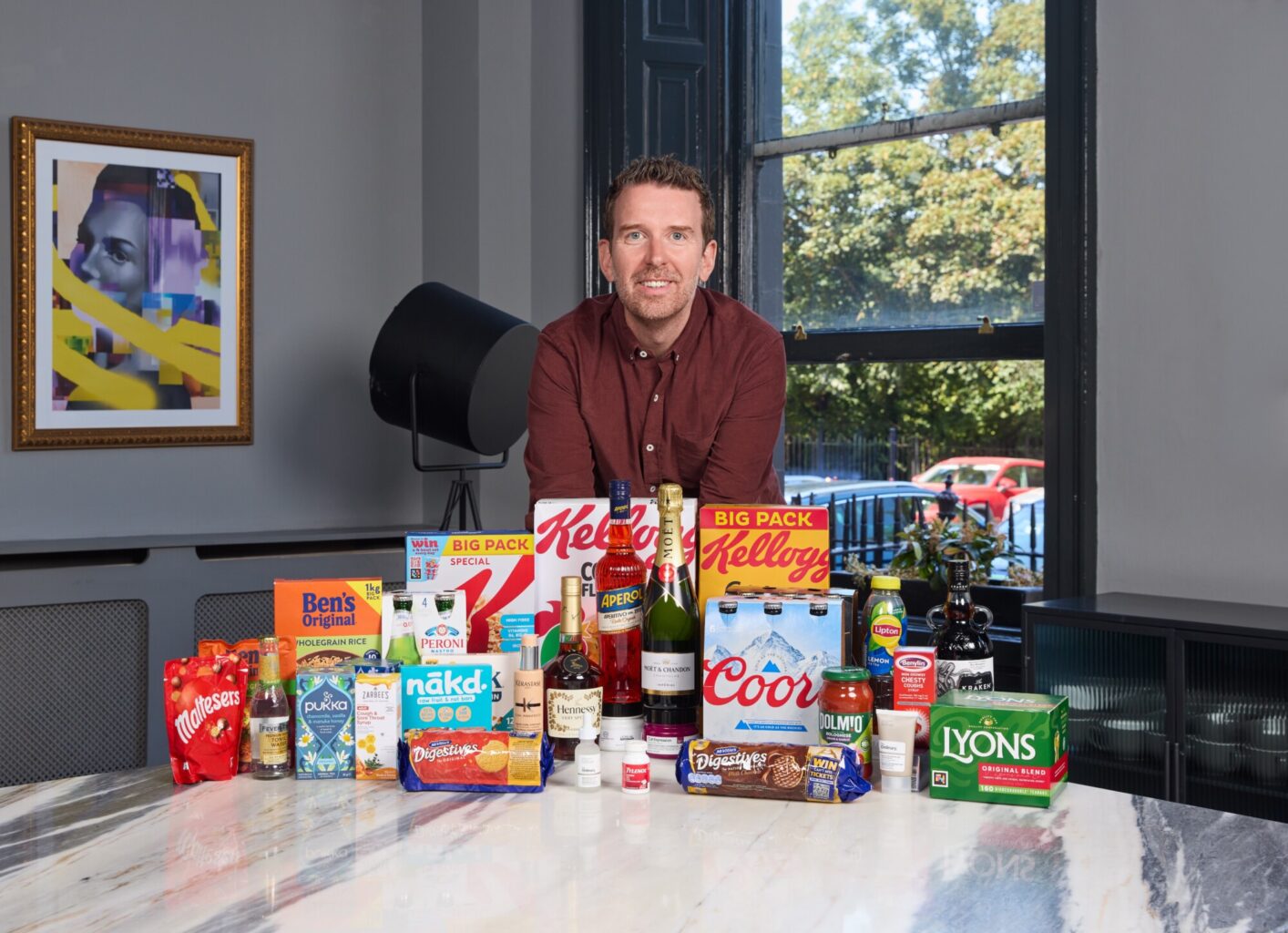
Jamie Stone, packaging expert at PA Consulting, sees the same progression through the marketing concepts of the First and Second Moments of Truth. Winning attention remains essential, but lasting success depends on what happens once consumers begin living with the product.
“Winning the First Moment of Truth (FMOT) remains critical. If a product isn’t noticed or desired, it won’t be bought. But standout design only gets you the initial purchase. The Second Moment of Truth (SMOT) – the experience of actually using the product – is key to driving repurchase.”
Those moments have become even more complex online. Between clicking ‘buy’ and receiving the parcel, consumers are left with nothing but anticipation and expectation.

Villeger believes packaging plays an important role in closing that gulf.
“There’s a gap between placing the order and receiving the goods. That can create a vacuum in which doubt settles in. The role of packaging is to place the customer back in the frame of mind they were in at the moment of purchase. To provide validation.”
Consumers are judging as well as looking
Packaging is where every brand promise is tested against reality, and, as Drummond notes, consumers quickly recognise when those promises don’t align with reality:
“If a brand signals premium but feels cheap in the hand, or champions sustainability while wrapped in unnecessary plastic, the disconnect is immediate. Consumers are incredibly good at spotting contradictions, and packaging is often where they’re exposed.”
Consumers instinctively recognise quality, authenticity and intent through material, structure and finish, long before they’ve used the product. Increasingly, the strongest brands understand that confidence is communicated through restraint rather than excess.
Emily Flanagan, Design Associate at Here, believes those expectations have changed significantly in recent years.
“Premium packaging needs to shout less, but the effort behind it has to work harder, not less. People are looking for a sense of belonging, and packaging has to earn it through storytelling and humanity rather than volume.”
Villeger shares that view, arguing that confidence often comes through what designers choose to leave out rather than add.
“You don’t need to shout to be heard, provided you’ve got something interesting to say. Luxury is having the confidence to remain quiet. To believe in your own point of view.”
As Flanagan observes: “Consumers are more packaging literate than they used to be. They notice sustainability, they notice craft, and they notice when something has been made with them in mind rather than just made to stand out on a shelf.”
They know when something feels considered. Equally, they recognise when design decisions are made for appearance rather than experience.
Cathal Gillen believes one of the biggest mistakes brands make is assuming that adding more information creates greater understanding.
“So many brands try to squeeze too many text or visual codes on packs, which lessens the impact of the most important.”
But where does this restraint begin? Before colours, materials or finishes are considered, brands first need to understand why consumers should choose their product over the alternatives. Andrea Battello Hung, Design Director at Stranger & Stranger, believes that too many businesses assume great packaging begins with a generous creative budget, when in reality, the underpinning idea is more often the foundation of success.
“Great design starts with a great idea, not a big spend. Regardless of budget, it’s important to be clear on strategy before any creative work begins. If you don’t know why someone should choose your product over the option next to it, even a great design can’t fill in the blanks.”

Once that strategic foundation is in place, every design decision has a clearer purpose. Details shift from being decorative additions to become deliberate expressions of the brand’s identity and values. The challenge comes when every detail competes for attention.
Emily Flanagan, Design Associate at Here, sees that principle reflected in the way memorable details are used.
“A detail earns its place when it brings a moment of joy or satisfaction, something that makes the consumer smile and feel more connected to the brand. But without restraint, distinctive details stop standing out and start competing, and the design loses the very intrigue it was trying to create. A single well-placed detail, given room to be noticed, will always do more work than multiple details competing for attention.”
Packaging keeps earning its place
It is no great secret that packaging’s role has changed and will continue to do so, but this evolution extends beyond materials alone, as Jamie Stone notes:
“Colour, shape, imagery and words are the building blocks of packaging semiotics. The real power comes from combining at least two semiotic drivers so the brain can instantly recognise what the product is, what it stands for, and decode whether it’s something you want or need.”
Villeger believes one of the strongest signals consumers respond to is even more instinctive.
Proportion. Long before someone notices the typography, colour or material, they instinctively register whether an object feels balanced.”
The strongest packaging aligns every design decision around a single story.

Nick Vaus, Chief Creative Officer at Free The Birds, believes that coherence is what separates packaging that merely captures attention from packaging that becomes genuinely memorable.
“Absolutely the strongest packaging does both. Great design has layers. It delivers immediate recognition through a clear and confident idea, then rewards familiarity through craftsmanship, hidden details and thoughtful execution.”
As Vaus explains: “Packaging performs across multiple environments rather than one. On shelf, it needs to attract attention within a crowded visual landscape. Online, it has to remain recognisable as a small thumbnail while communicating enough confidence to justify purchase. At home, it becomes part of people’s everyday environment, and that means durability, ease of use and lasting visual appeal become just as important as shelf impact.”
Ultimately, that is what good design achieves: it makes products more desirable by giving consumers confidence that they are making the right choice. As Andrea Battello Hung puts it, “Creativity isn’t about making a product look better. It’s about making it more desirable.”
That desirability is reinforced every time consumers interact with the product. Once packaging enters the home, it is no longer judged against competing brands but is judged against memory and expectation. Every interaction either reinforces the purchase decision or quietly undermines it. The strongest packaging delivers what the brand promised.
Vincent Villeger believes that is why the best packaging isn’t constantly trying to fight for attention.
“I’d rather focus on making sure the design has something worth saying in the first place. Then execute it well. If you get those fundamentals right, the design will hopefully keep earning its place over time rather than continually demanding attention.”
It’s exactly the kind of thinking that continues to shape conversations in the Design Hub at London Packaging Week, where the discussion increasingly centres not on how packaging captures attention, but on how it continues earning trust long after the point of purchase.
Perhaps that is the real measure of exceptional packaging.
Not whether it wins the first glance.
But whether, months later, it still feels like exactly the right choice.
Check out our socials
The latest packaging projects
Is pEPR creating more packaging waste than it prevents?
Extended Producer Responsibility (pEPR) has moved from being a future regulatory requirement to an active business cost for UK food and drink producers. With invoices now being issued and further reporting deadlines approaching throughout 2026, packaging decisions are becoming increasingly important not only for sustainability but also for managing compliance costs.
London Packaging Week smashes attendance record with 16% growth in 2026
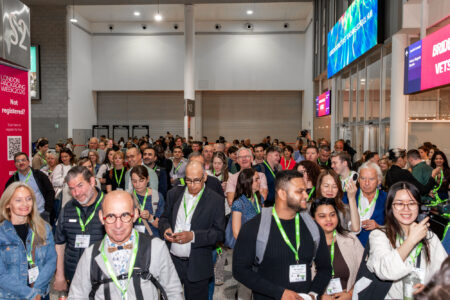
A record 6,688 unique visitors attended London Packaging Week 2026, as more than 230 exhibitors and over 110 speakers helped deliver the biggest edition in the event’s history.