
Objects of desire: How packaging has become a cultural artefact

Walk into the home of almost any modern collector, and you will find objects that were never intended to survive.
An empty fragrance bottle displayed alongside art books. A limited-edition sneaker box carefully preserved long after the shoes have been worn. A special-release whisky bottle occupying pride of place on a shelf. Packaging that, by any traditional measure, has outlived its purpose.
Yet its purpose has quietly changed.
The object no longer exists to simply contain a product. It can be displayed, collected and traded, becoming a badge of identity and, increasingly, part of the fandom itself. What was once disposable is now an object of desire.
And, in many ways, packaging has become more powerful than advertising because it can do something advertising rarely can: turn a cultural moment into a physical object people can own and remember.
“Packaging has moved from something you throw away to something people actively want to keep,” says Ico Hernandez, Creative Director at Bulletproof. “The opportunity isn’t simply to design a beautiful pack. It’s to create a story worth remembering, a design worth displaying and an object people genuinely desire. When you get that right, packaging doesn’t just contain the product – it creates standout and gives people something tangible to connect with.”
Hernandez has spent more than a decade working at the intersection of branding, culture, and design, helping global brands translate their identities into physical and cultural form. Creating desire has become one of packaging’s most important jobs. Hernandez has seen that shift play out across some of the world’s biggest brands.
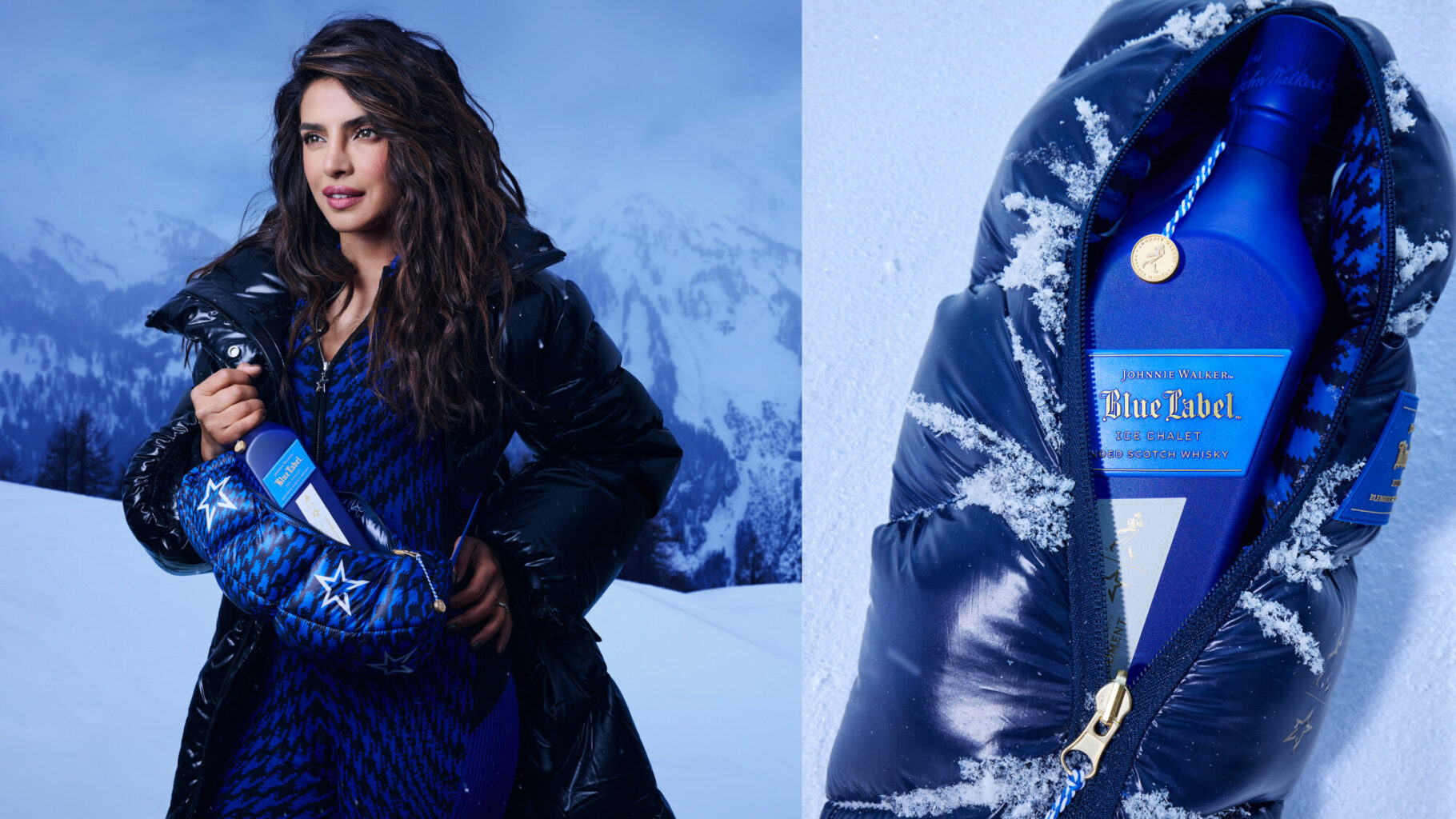
He points to Bulletproof’s collaboration between Johnnie Walker Blue Label Ice Chalet and luxury ski brand Perfect Moment. The team turned traditional whisky cues on their head, creating a fashion-led partnership centred on a wearable whisky box that doubled as a puffer bag. Vogue called it the “season’s must-have après accessory”, and the product sold out globally.
“That’s when packaging becomes really interesting,” Hernandez says. “The box wasn’t secondary to the product anymore – it became part of the desire. It gave consumers something they wanted to wear, photograph, keep and be seen with. At that point packaging is doing the job of brand, product and cultural object all at once.”
When culture and commerce collide
For decades, culture occupied a separate sphere from commerce. Brands observed it, borrowed from it, and occasionally sponsored it. There was distance between the two. A trend would emerge, gather momentum and eventually find its way into a campaign or collaboration.
That distance has collapsed.
Culture now unfolds in real time, shaped simultaneously by creators, communities, algorithms and audiences. Meaning is no longer delivered from the top down. It is negotiated collectively.
For brands, this has created an entirely new challenge. The question is no longer whether to participate in culture, but how.
That shift is increasingly visible at events such as London Packaging Week, which brings together thousands of visitors, hundreds of exhibitors, and leading voices across design, materials, and brand innovation. Here, packaging is no longer positioned at the edge of marketing. It has become one of the most direct ways brands enter cultural conversation at all.
But greater proximity to culture does not mean greater permission to define it. As Hernandez argues, there is a clear limit to how far brands can force themselves into it.
“Culture starts with people, not brands,” he says. “You can’t manufacture relevance by forcing yourself into a moment. The job is to recognise where an existing passion intersects authentically with your brand and contribute something of value. That might mean collaborating with local artists, creators or communities rather than simply borrowing their visual language.”
This tension defines modern brand relevance. The most effective work, then, doesn’t borrow relevance from culture. It earns a role within it.
Today, that challenge spans everything from global FMCG portfolios to sport and entertainment platforms, where brands are no longer simply communicating within culture, but actively helping shape it.
Move too slowly and relevance disappears. Move too quickly and authenticity is questioned. Every collaboration now sits in a narrow space between credibility and opportunism.
Few examples illustrate this tension more clearly than global sporting moments.
The FIFA World Cup is one of the world’s most powerful cultural platforms, commanding billions of viewers and generating emotional intensity that few brands could replicate. For marketers, the opportunity is obvious. For designers, the challenge is more complex.
How do you participate in something so culturally dominant without being consumed by it?
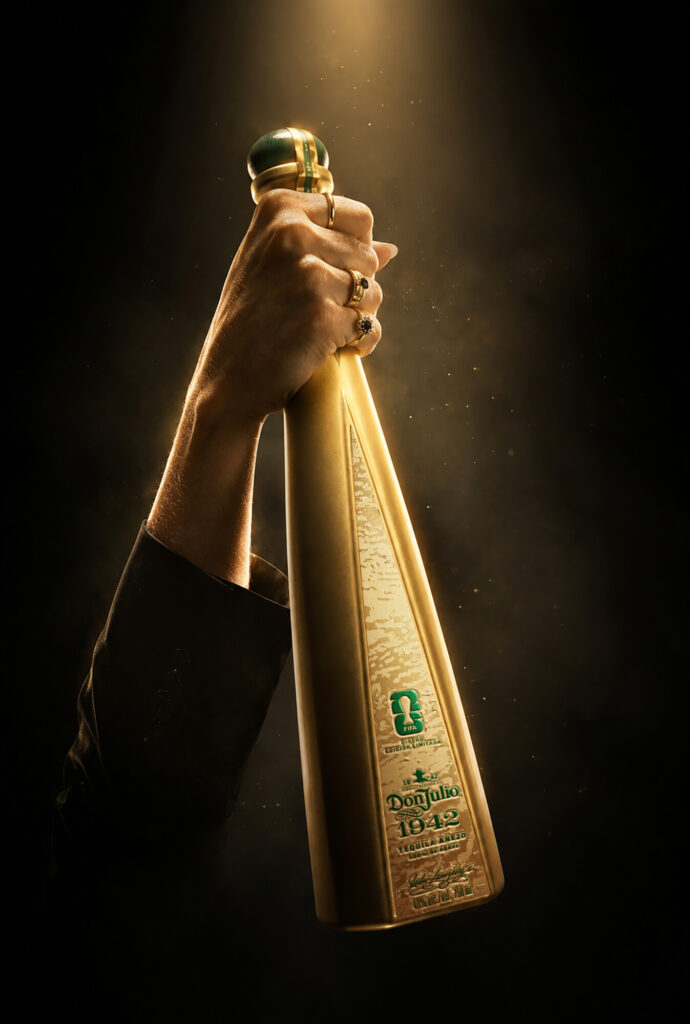
Hernandez encountered this directly while working on a collaboration between Don Julio 1942 and the FIFA World Cup.
“The danger with something as culturally dominant as the FIFA World Cup is that the brand disappears behind the event,” Hernandez says. “If you simply apply the obvious codes, you become a billboard for it rather than creating something meaningful for your own brand.”
The opportunity came from identifying common ground. Don Julio 1942 already occupied a cultural territory around elevated celebration, while the FIFA World Cup represents the pinnacle of sporting celebration.
“Rather than decorating the bottle with FIFA World Cup graphics, we reimagined it through the lens of the tournament’s ultimate symbol – the gold FIFA World Cup trophy,” Hernandez explains. “The gold 1942 bottle became a way of owning a piece of that moment. It carries victory, pride and celebration in a physical form. Some people may never even open it because its value becomes symbolic as much as functional, It says: I was part of this.”
And this idea of packaging as something that extends beyond the product is central to Hernandez’s broader thinking. He will explore it further at London Packaging Week in a session titled “Bringing the FIFA World Cup to life through limited editions,” focusing on how brands can remain culturally relevant at a global scale without losing authenticity.
Because beneath all of this sits a deeper behavioural shift.
Consumers are no longer simply buying products. They are buying proof of participation.
From ownership to participation
A limited-edition bottle. A collaboration drop. A seasonal release. These are no longer just products. They are markers of time. What consumers are really collecting are stories. A gateway to participation
Perhaps the most significant evolution, however, is that packaging is no longer the endpoint of that journey. Increasingly, it is the entry point.
Hernandez points to the recent OREO collaboration with K-Pop band, BTS, as a moment when packaging decisively moved into participation.
“The collaboration was about bringing fans together through digital love,” Hernandez says. “The pack wasn’t the end of the experience, it was the invitation into it. Across more than 80 countries, fans scanned the QR code on the OREO packs to enter a digital world where they could create and share personalised love letters to BTS. More than 400,000 messages were sent. That’s what modern fandom looks like. People don’t just want to buy into a brand; they want to participate in it. Packaging becomes the proof you were part of the moment, while the wider experience gives you a role within the story.”
For brands, that evolution gives packaging a much bigger role in brand building. A desirable pack creates standout because people notice it. It creates social value because people share it. And when ownership becomes a way of signalling identity or participation, it can help turn consumers into fans.
“The best limited editions do all three,” Hernandez says. “They interrupt, they create desire and they give people a reason to participate. That’s when packaging stops being an execution and starts becoming a driver of fandom.”
“Limited editions are also often where brands can be their bravest,” Hernandez concludes. “Consumers understand that you’re exploring rather than replacing the core. Done well, that can create belief in where the brand is going next.”
Perhaps that’s the biggest shift of all. Packaging is no longer the final touchpoint in the customer journey, it’s increasingly the beginning of one. It has become a cultural object that invites participation, sparks conversation and creates lasting emotional value.
Because in modern brand building, packaging is no longer simply about what’s inside. It’s about creating desire, signalling identity and giving people something tangible to belong to.
Stay in the loop
Add us as a preferred source
One click, and posts like this show up more often when you search Google.
Check out our socials
The latest packaging projects
Is pEPR creating more packaging waste than it prevents?
Extended Producer Responsibility (pEPR) has moved from being a future regulatory requirement to an active business cost for UK food and drink producers. With invoices now being issued and further reporting deadlines approaching throughout 2026, packaging decisions are becoming increasingly important not only for sustainability but also for managing compliance costs.
London Packaging Week smashes attendance record with 16% growth in 2026
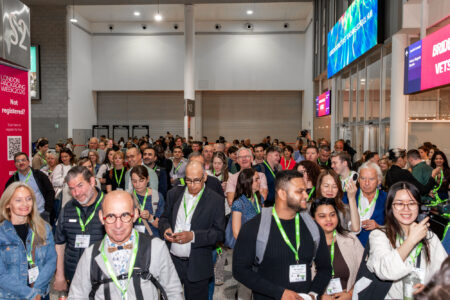
A record 6,688 unique visitors attended London Packaging Week 2026, as more than 230 exhibitors and over 110 speakers helped deliver the biggest edition in the event’s history.