
The price of prestige: Why luxury’s squeeze could make packaging more important than ever
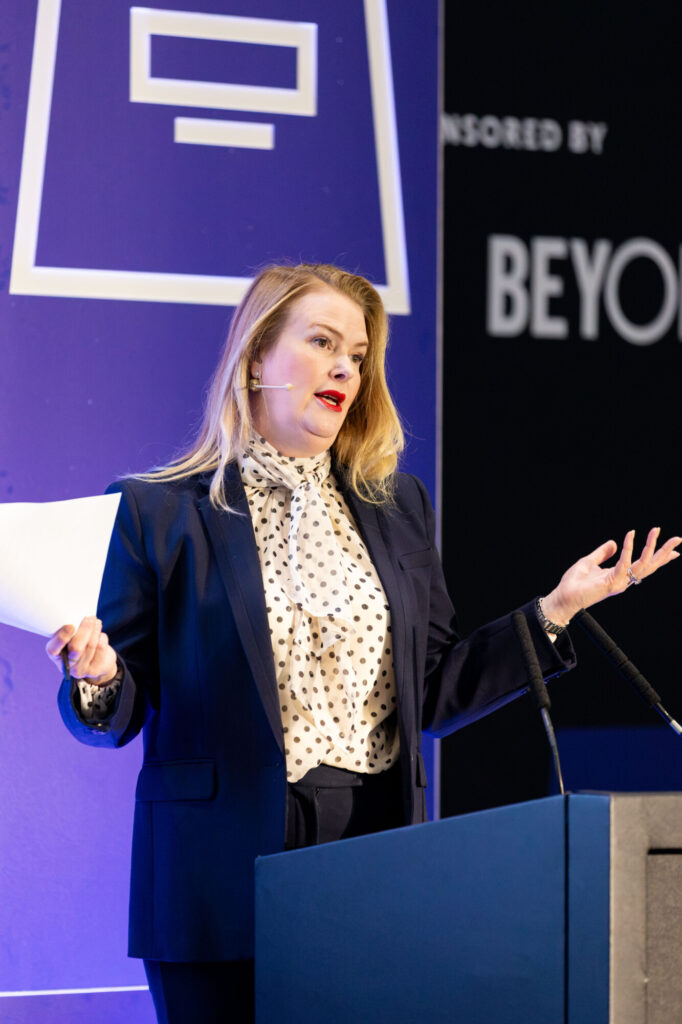
Luxury consumers are spending more carefully, regulation is intensifying, and brands are being challenged to deliver more with less. Yet Jane Hamilton, Senior Business Journalist at The Times, believes the desire for luxury remains remarkably resilient. Speaking at London Packaging Week, she argued that changing prestige economics could make packaging more important, not less.
People still want luxury. They cannot always afford it.
That distinction matters in a market wrestling with rising costs, geopolitical instability and a relentless news cycle that can make today’s pressures feel unprecedented.
For Jane Hamilton, Senior Business Journalist at The Times, it is also a reason for optimism.
“I am not going to sugarcoat it,” she told the audience at London Packaging Week. “We all know that trading is tough, but I do believe that there are reasons to be cheerful.”
Luxury may be under pressure, but its fundamental appeal remains intact. What is changing is how consumers access it, what they expect in return for their money and how hard every element of the experience must now work to justify the premium.
For packaging, that creates both a challenge and an opportunity.
Desire has not disappeared
Luxury’s slowdown is not being felt equally.
At the very top of the market, ultra-wealthy consumers remain comparatively resilient. The aspirational middle, which helped fuel luxury’s post-pandemic growth, is more exposed.
“We’ve got that aspirational middle class that drove the boom after COVID, but now they’re facing inflationary pressures, price increases on normal living, and they just have not got that cash to go out and spend on luxury like they want to,” Hamilton said.
For brands and their suppliers, lower volumes can mean higher unit costs at precisely the point when customers are scrutinising prices more carefully. Yet Hamilton cautioned against interpreting changing spending patterns as a rejection of luxury itself.
“We need to all remember this is not a drop-off in the desire of people to buy luxury,” she said. “It’s a drop-off in the ability to buy. However, it will not last forever.”
Hamilton also challenged the assumption that today’s instability is entirely unprecedented. Across 25 years in journalism, she has seen successive periods of economic and geopolitical upheaval reshape consumer confidence.
“There’s always been instability, there’s always been cost pressures,” she said. “It just seems worse now because we’re more aware of it.”
The difference, she argued, is the intensity with which bad news now reaches consumers through social media and 24-hour news. “Fear is a currency,” she said.
Her point was not to dismiss the pressures facing luxury, but to put them in perspective. Difficult periods pass. Spending power recovers. The underlying desire for luxury can endure.
Instead, consumers are finding different ways to participate.
“People are not buying big, but they are buying lots of little treats,” Hamilton said, pointing to categories such as perfume and make-up.
Premium cosmetics have continued to grow despite wider economic headwinds, while premium advent calendars were already selling strongly months before Christmas.
“People still want those premium luxury feels, even if they can’t really afford it.”
For brands, the smaller purchase can be much more than a consolation sale. It can be a consumer’s entry point into a luxury world and a way of preserving that relationship until spending power recovers.
“My thinking here is yes, it’s negative on the big sales, but a small taste now converts that consumer into one of your buyers, and it has them in pole position to buy big when the world economy recovers.”
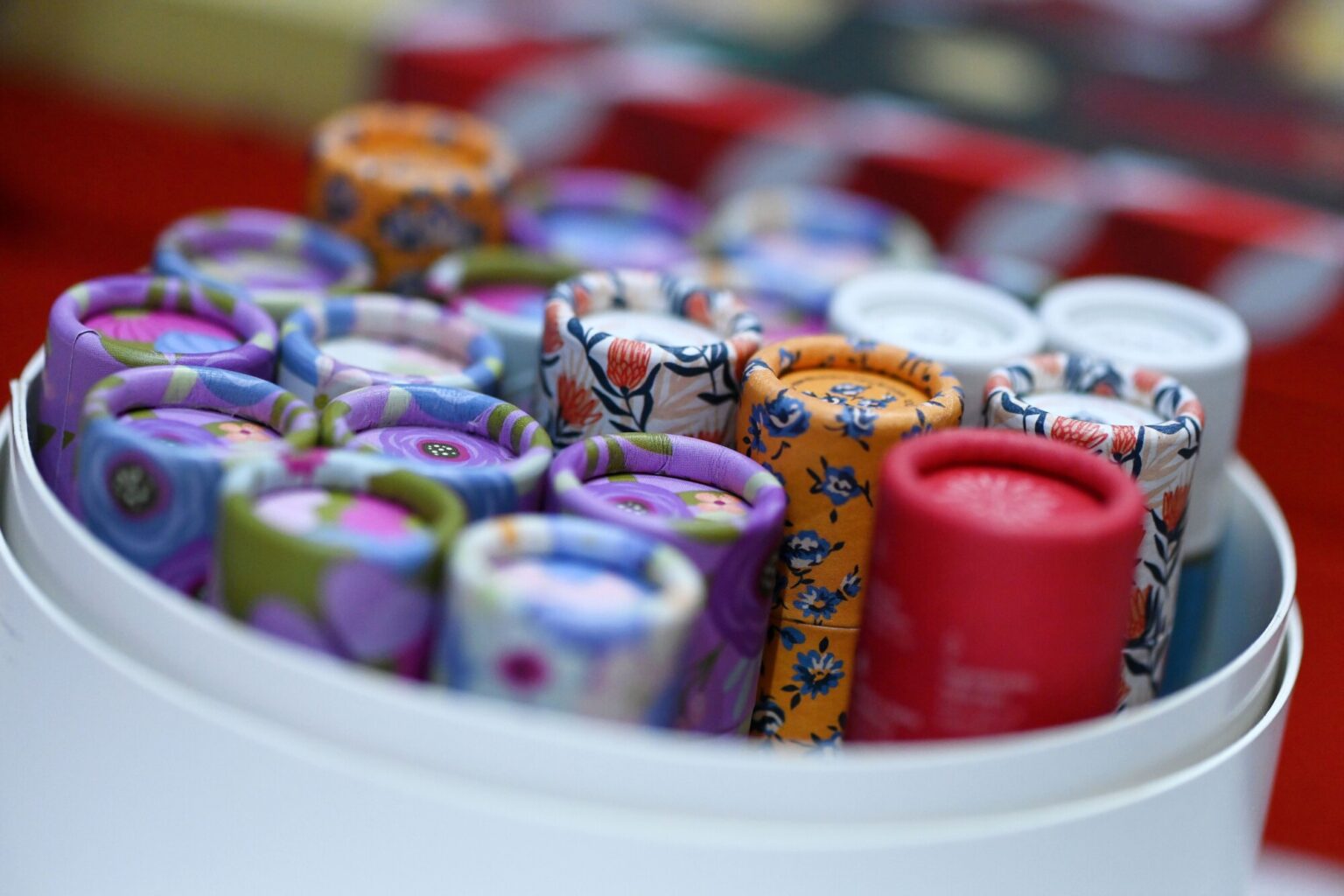
That makes the experience surrounding the purchase especially important. If a fragrance, lipstick or bottle of spirits is someone’s accessible piece of luxury, it still needs to feel like luxury.
Packaging is often where that feeling begins.
You cannot unbox an email
The same principle applies to another structural change in the market: the shift towards experiences.
Travel, wellness and self-development are competing with traditional luxury goods for discretionary spending. But Hamilton challenged the assumption that this necessarily sidelines packaging.
“I, as a consumer of this stuff, would argue that luxury consumers don’t want a voucher emailed to them,” she said. “They want to unbox a traditional ticket, or they want to have a gift box with it.”
Her experience at The Times reinforces the point.
“We get a lot of invites into my office at The Times. The stuff that gets handed on is still the stuff in the luxury packaging. That is what people care about because it still has that premium feel.”
The luxury product, in other words, does not necessarily have to fit inside the box.
Packaging can give an intangible experience physical presence. It can turn a booking into an occasion, create anticipation before an experience begins and transform something that could have arrived as another email into something worth opening.
In an increasingly digital world, physicality itself can feel premium.
When the packaging becomes the product
Perhaps the clearest evidence of packaging’s emotional value lies in an unlikely place: the resale market.
The growth of resale has changed how consumers think about products, ownership and value. Hamilton has noticed something particularly revealing in that market: people are buying luxury packaging even when there is no luxury product inside.
“I’ve personally, in the last couple of weeks, sold an old Chanel bag with a little charm on it for nine pounds, which is crazy,” she said. “I sold an empty Ralph Lauren box that someone sent an item to me in for five pounds, and I sold those within like 30 seconds of listing them.”
Why pay for an empty box?
Hamilton’s explanation goes back to the resilience of aspiration.
“People want luxury, even when they can’t really afford it.”
Packaging can carry enough of a brand’s identity, status and desirability to retain value independently of the item it originally contained.
“They display your packaging in their home as a marker of their affluence or where they want to be seen as.”
Something designed to contain and protect a product has become an object of desire in its own right.
And among younger consumers, Hamilton believes that relationship is growing even stronger.
Packaging is ‘50% of the experience’
For a generation accustomed to discovering and buying products through screens, delivery is one of the moments when a brand finally becomes physical.
“If they’re getting Amazon delivered, they are fine with those brown boxes,” Hamilton said. “But if they’re getting something special delivered, they are seeking out interactive moments.”
Those moments can come through QR codes and personalised messaging, but also through recognisably physical luxury cues: embossing, texture, considered structures and magnetic closures.
“I know that’s really, really expensive to produce, but they build an emotional connection with the buyers, and they are prepared to pay for them.”
Social media has amplified the effect. Packaging is opened on camera, photographed and shared, while the best examples are retained long after the product has been removed.
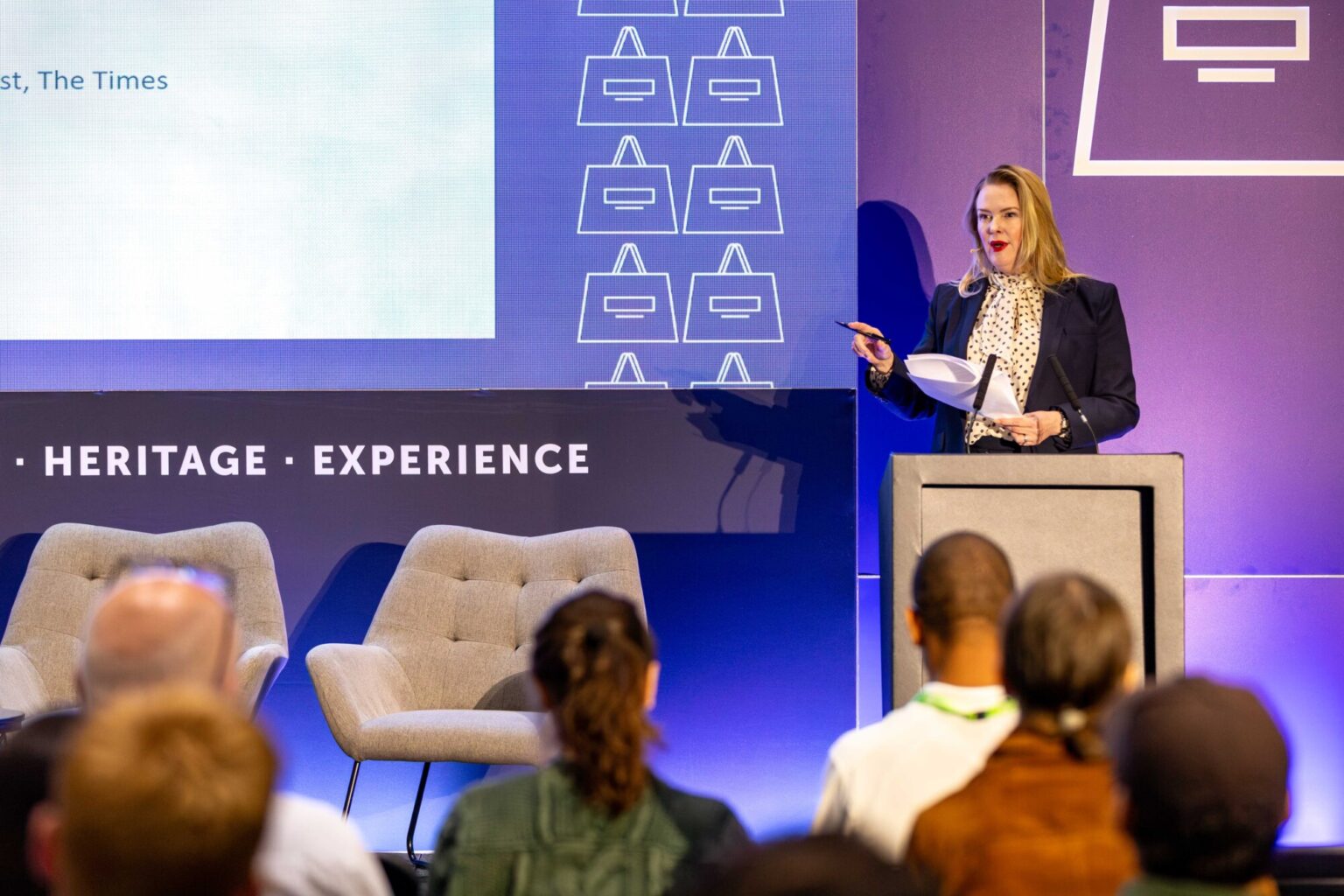
“My kids and their friends all display the boxes as well as the items,” Hamilton said. “Packaging is really 50% of the experience for these people.”
If packaging forms a meaningful part of the consumer’s perception of value, taking cost out without understanding what creates that value risks weakening the very premium a brand is trying to protect.
Yet preserving that experience is becoming more complicated. It is a challenge that will remain firmly on the industry agenda as brands, designers, suppliers and manufacturers come together at Packaging Innovations & Empack 2027, with the pressure to reconcile desirability, sustainability and commercial reality continuing to intensify.
Luxury with less
Alongside commercial pressures sits an increasingly demanding regulatory environment.
Hamilton pointed to EPR, packaging minimisation, recyclability, data requirements, and restrictions around complex material combinations as challenges the sector must negotiate.
“When I was researching this speech, the complexity around these new EPR regulations gave me an absolutely thonking headache,” she told the audience, “so I can only imagine how difficult it is for all of you who are tasked with complying with this stuff.”
The tension is particularly acute in luxury.
For decades, premiumisation has frequently been communicated through addition: more weight, more layers, more decoration, more components and more elaborate presentation. Environmental expectations and regulation increasingly demand the opposite.
Hamilton, however, rejected the idea that sustainability should be treated purely as a constraint.
“Packaging attracts problem solvers and innovators,” she said. “And like it or not, these regulations do come from a good place.”
“If you don’t have a sustainable business, you have an unsustainable one, and that is not good for your customers or for you.”
The creative challenge, then, is not simply to remove material. It is to understand which elements genuinely create the perception of luxury and make them work harder.
Hamilton pointed to established brands as evidence that distinctiveness does not require endless complexity.
“You’ve got Jo Malone, really simple black and cream palette, it’s nothing but paper, card and ribbon, but you know what it stands for.”
Colour, structure, material, typography and tactility can become powerful brand codes when they are distinctive and consistently applied.
Rather than viewing new materials solely as a compliance problem, Hamilton described their development as “a real golden opportunity to show off what the sector can do”.
Her conclusion was characteristically simple.
“Do less, but do it better.”
The new price of prestige
Hamilton drew a parallel to her own industry’s response to an overcrowded media environment. Faced with an almost unlimited supply of information, The Times has concentrated on making fewer things more valuable.
“The Times is repackaging what we offer to consumers, so we do fewer stories that are better researched, better told and really more meaningful to our audience.”
Luxury packaging may be moving towards a similar philosophy.
The sector is being asked to reduce materials without reducing desirability, manage costs without appearing cheaper and improve sustainability while protecting the distinctive codes that make a brand recognisable.
Doing less cannot mean simply giving consumers less. It means knowing what matters.
Prestige cannot simply be measured in grams of board, numbers of components or layers of decoration. It lies in the care, craft, anticipation and emotion those elements create.
“When my readers buy luxury and unpackage it, they’re not just buying a label or a high-quality product,” Hamilton said. “They are buying that story of values and tradition and class and how that makes them feel. They are buying into that story.”
Packaging is one of the few parts of that story a consumer can physically hold.
That role becomes more important when consumers are spending cautiously, not less. A brand may have fewer opportunities to win a purchase, less material to make an impression, and a customer asking harder questions about whether the premium is justified.
The answer cannot simply be more packaging. Nor can it simply be less.
The opportunity is to make every element earn its place: creating anticipation without excess, distinction without waste and an experience whose value can be felt before the product has even been touched.
That could ultimately be the new price of prestige.
Not how much packaging a brand can afford to add, but how much meaning it can create with what remains.
Or, as Hamilton put it: “Do less, do it better, but do it better than everybody else.”
Jane Hamilton shared her perspective on the changing luxury market at London Packaging Week 2026. The conversation around packaging’s response to changing consumer expectations, regulation and commercial pressures continues at Packaging Innovations & Empack, taking place at the NEC Birmingham on 24–25 February 2027.
Stay in the loop
Add us as a preferred source
One click, and posts like this show up more often when you search Google.
Check out our socials
The latest packaging projects
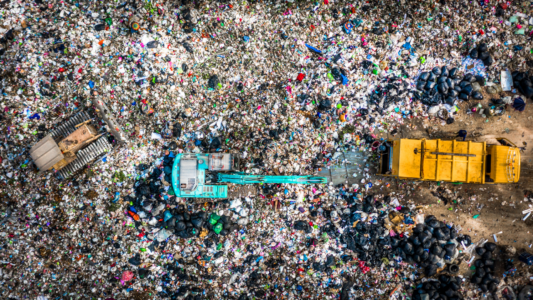
Is pEPR creating more packaging waste than it prevents?
Extended Producer Responsibility (pEPR) has moved from being a future regulatory requirement to an active business cost for UK food and drink producers. With invoices now being issued and further reporting deadlines approaching throughout 2026, packaging decisions are becoming increasingly important not only for sustainability but also for managing compliance costs.
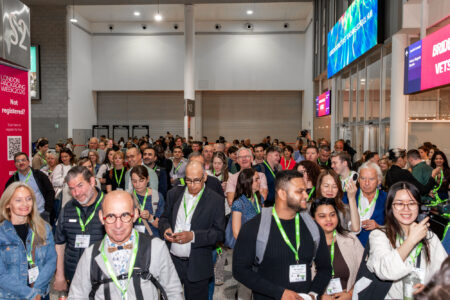
London Packaging Week smashes attendance record with 16% growth in 2026
A record 6,688 unique visitors attended London Packaging Week 2026, as more than 230 exhibitors and over 110 speakers helped deliver the biggest edition in the event’s history.
