
The outsider challenge: How FOLI broke the rules of condiment packaging

It started with a terrible salad dressing.
Not a packaging brief. Not a gap identified by a design agency or an innovation workshop. Not a plan to disrupt a category.
Just a French woman buying a bottle of salad dressing and wondering why it was so bad.
“I’m French, so I normally make my own salad dressing, and then I bought one, and it was just such a terrible salad dressing,” Currie told London Packaging Week. “I looked at the ingredients and how it was made and thought, ‘Oh my gosh, who makes something like that and buys something like that?’”
Currie started looking more closely at what was available and came away distinctly unimpressed.
“There are lots of them, but I realised there wasn’t really a good one. They’re all made with refined oil, a lot of sugar and a lot of water. It’s a lot of nothing in a bottle. It’s really industrial.”
For Currie, who grew up near Lyon in a large, close-knit family where fresh produce, olive oil and homemade vinaigrette were part of everyday life, the solution seemed obvious.
Make a better one.
What she couldn’t have known was that this simple decision would eventually lead her into an entirely unfamiliar industry, in search of manufacturers willing to attempt a bottle many believed couldn’t be made.
It didn’t start with the bottle
The distinction matters because FOLI’s packaging is so visually distinctive that it would be easy to assume the pack came first.
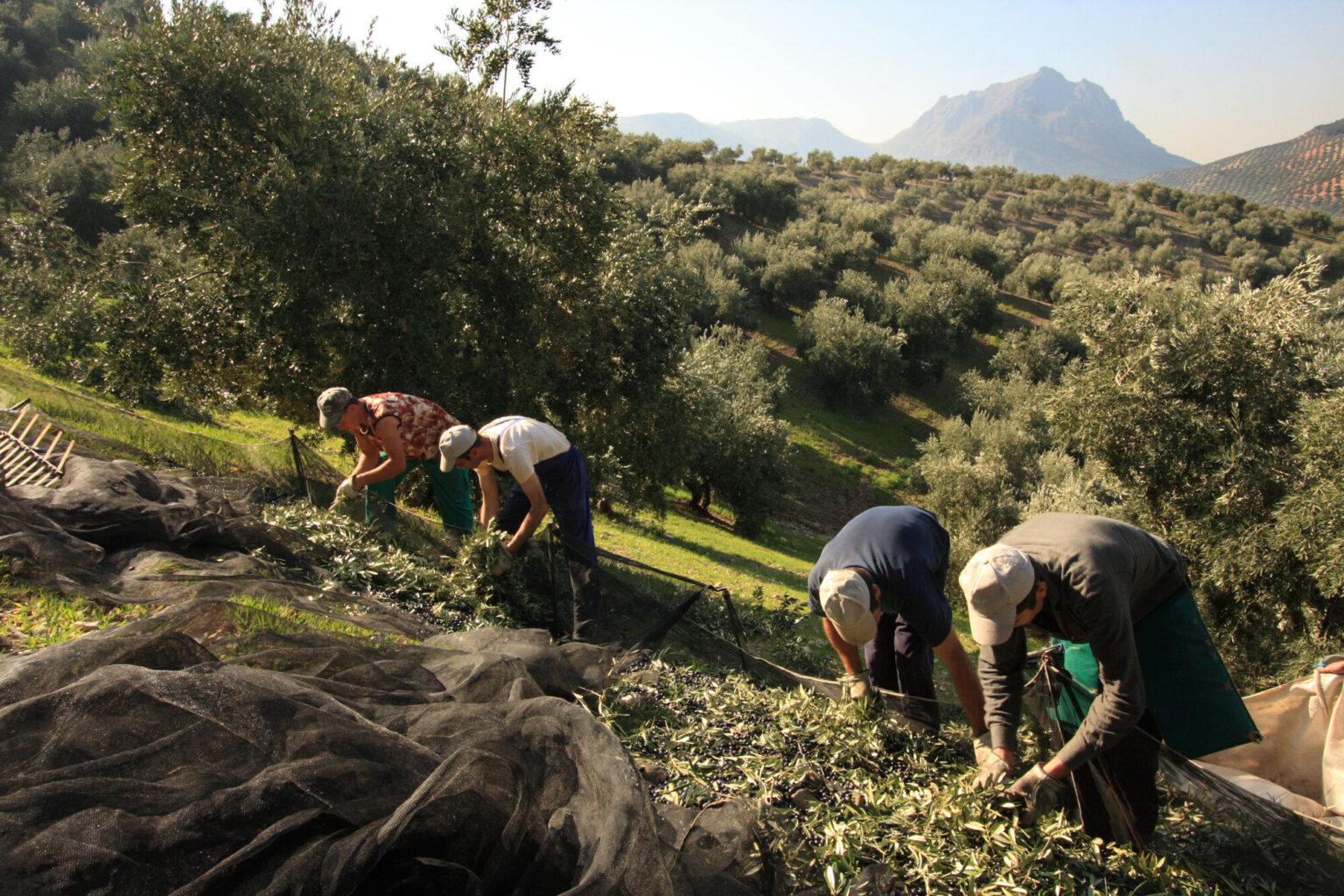
“In France, we make our dressing with olive oil, and none of them were made with olive oil because that’s an expensive ingredient,” Currie says. “So I decided to make my own. Then I thought, ‘I’m going to find the best olive oil and the best balsamic,’ and found myself in Italy and Spain looking for the best produce.”
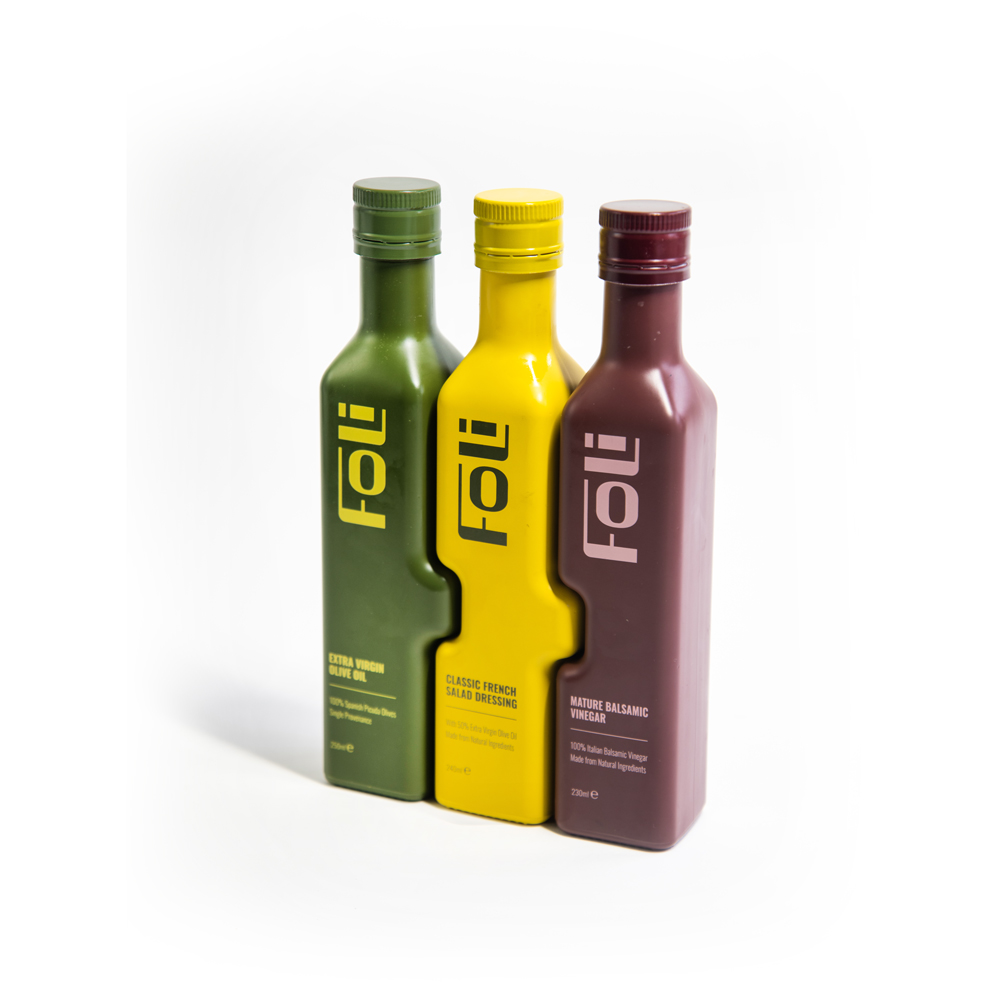
One product had become three: Extra Virgin Olive Oil, Classic French Salad Dressing and Mature Balsamic Vinegar from Modena.
Then came another thought.
“Now I’ve got these really amazing products; why don’t I sell them together? It’s a lot of effort trying to sell one product, and now I’ve got three major staples.”
Only then did Currie start looking at packaging.
She visited supermarkets and saw row after row of products that did little to excite her.
“That’s so boring. That’s so ugly. That’s nothing I want to have in my kitchen.”
The contrast with other objects on the dining table struck her.
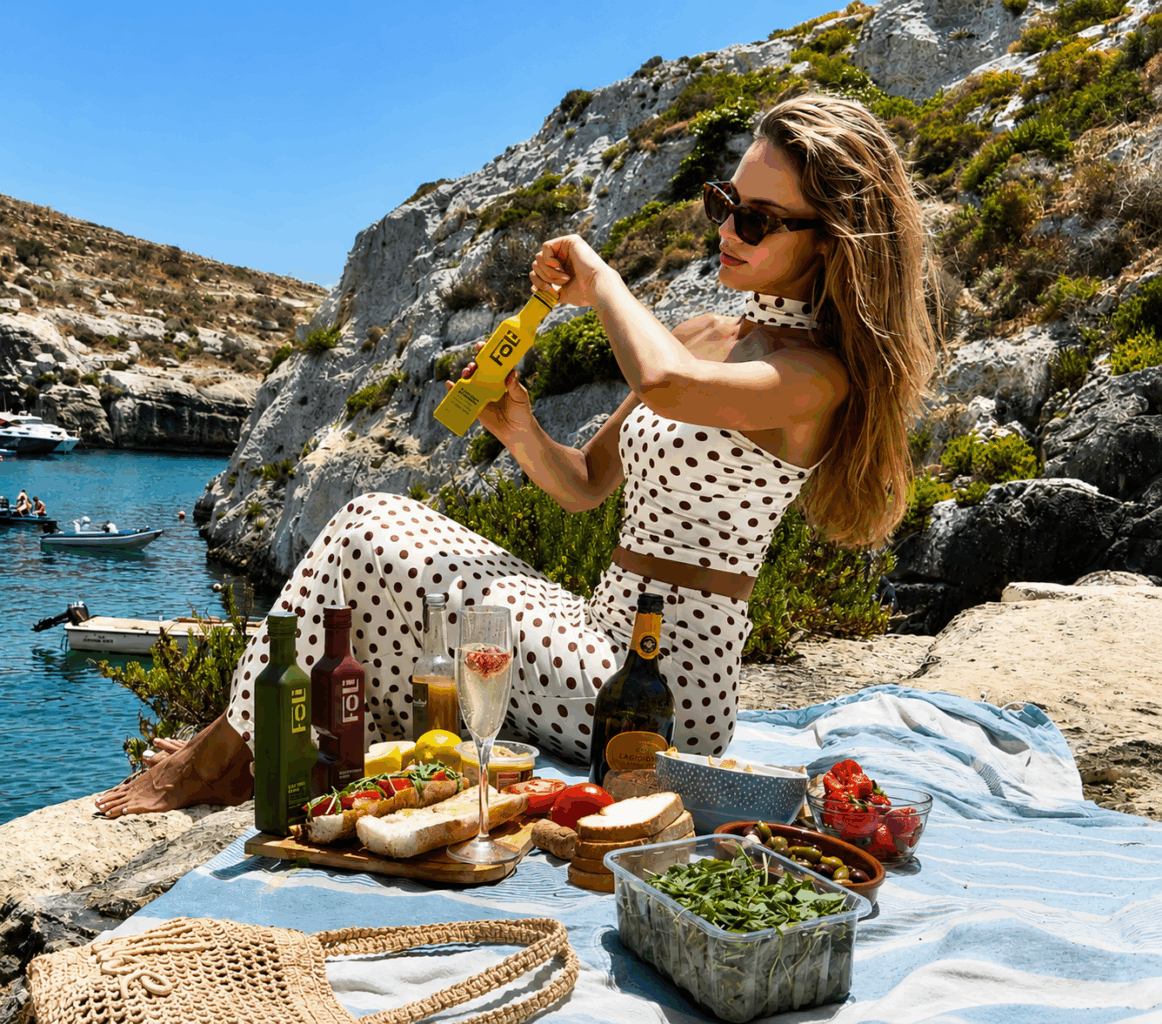
“I looked at Le Creuset salt and pepper and thought, why don’t we have something nicer? Why do you put salt and pepper in a beautiful set on your table every day, but you don’t put very nice condiments there?”
That question would eventually become FOLI’s defining design idea.
Three bottles, one experience
Currie’s answer was a proprietary, registered design built around sculptural glass bottles that interlock with one another.
Placed together, the three packs form a single composition. Separated, each retains its unusual silhouette. Different colours distinguish the products, while the physical relationship between the bottles encourages consumers to treat them as a collection rather than three unrelated SKUs.
Crucially, the system is not limited to three. New bottles can be designed to sit between the existing forms, allowing the collection to expand to four, five or more products while retaining the same interlocking architecture.
“I started to play with colours and pastels, and I could see straight away that it was so attractive,” she says. “I knew I had something a bit special very quickly because everyone was saying, ‘Oh my gosh, that’s amazing. I want it.’”
The eventual name, FOLI, combines “oli”, from olive oil, with the French “folie”, reflecting the playfulness and exuberance Currie wanted to bring to the table.
But imagining the bottle was considerably easier than making it.
“They all thought it was bonkers”
Currie estimates that she contacted around 100 manufacturers across the UK, Europe and Asia.
She initially considered aluminium before discovering that the material couldn’t deliver the shape she envisaged. Other conversations brought different objections.
“It’s not going to stand. It’s going to break. You can’t hold it. You’re not going to be able to pour it because of the shape.”
Again and again, she was told some version of the same thing: it wouldn’t work.
Eventually, one manufacturer agreed to attempt it.
“Someone said, ‘OK, I’ll try. I can’t promise you, but I’ll try.’”
For Currie, however, the repeated technical objections weren’t a reason to abandon the idea. She kept looking for someone willing to try.
“I was like a machine. I was going to do it. It was difficult to find people to execute it, but I knew what I wanted.”
Eventually, the design made it into production.
Then consumers started doing something Currie hadn’t anticipated.
They played with it.
Packaging people can’t stop touching
During pre-launch testing, Currie noticed people physically interacting with the bottles. When FOLI began appearing in shops, the behaviour became impossible to miss.
“You put it in the shop, and people play with it, thinking, ‘How does this work?’ They keep touching it and playing with it. They can’t help it.”
Retailers began reporting the same phenomenon.
“One store owner said, ‘I keep tidying them up,’ because people are in the shop playing with the bottles, and they’re not kids.”
More importantly, it continues after purchase.
“People say to me, ‘It’s been on my worktop constantly, and that’s the only thing on my worktop. I hate anything showing in my kitchen, but that’s the only thing.’”
Others refuse to throw the empty bottles away. Some refill them. Some turn them into vases. Customers send Currie pictures of colours and suggest products they think should come next.
“I think people have an emotional attachment to them,” she says. “They get attached to it. I didn’t understand the extent to which people would get so excited about it.”
For packaging conceived to earn a place on the table rather than disappear into a cupboard, that may be the most meaningful response of all.
From packaging to collecting
The interlocking design has also created an unexpected commercial behaviour.
Consumers don’t necessarily want one FOLI bottle.
They want the collection.
“Some people can’t separate them,” Currie explains. “They say, ‘I cannot buy one.’”
FOLI initially launched the products as a set, with individual bottles available for replenishment. But retailers began noticing another purchasing pattern.
“What you see in shops is that people buy one, then they come back for the second one, and then they come back for the set.”
For consumers reluctant to commit immediately to an unfamiliar premium brand, a single bottle serves as the entry point. The structural design leaves an obvious relationship with the products they haven’t yet bought, while the expandable format creates the potential for the collection itself to keep growing.
“They find that extremely satisfying because it’s like a little collection,” says Currie. “There aren’t many brands where you feel you have to have the second product and the third product.”
That curiosity is also translating into broader commercial recognition. Launched in 2026, FOLI is now stocked by Harrods alongside a growing network of independent retailers, and the brand has received recognition across food, sustainability, and packaging awards.
That growing profile will also bring Currie to London Packaging Week in September, where she will join HairGym Co-Founder Arianna Broderick and Citizens of Soil Head of Operations Natalie Williams for “Brands to watch: businesses blowing up”, a discussion exploring emerging brands that are attracting attention and challenging established category conventions.
The audience buying FOLI has also challenged Currie’s original assumptions.
Finding a customer she wasn’t looking for
Currie had a clear picture of who she thought would buy FOLI.
“For me, my client was Mrs Smith, 50 years old, in Surrey or London, entertaining and having guests and wanting to put something quite pretty on the table. That was really it.”
Then she attended her first trade show in Birmingham.
People working on and building exhibition stands began asking if they could buy it for their wives.
“That was the first thing that really surprised me. I thought, ‘You’re not my clientele, you’re not my target, and you want to buy it.’”
There had been doubts about the product category itself, too. Before launch, a friend showed Currie research suggesting there was little market for salad dressing in the UK.
Her response was uncomplicated.
“I said, ‘OK, I don’t care. I need a salad dressing, so I’m going to make it.’”
Currie wasn’t trying to optimise a proposition around what research suggested consumers already bought. She was creating something she wanted herself and trusting that other people might want it too.
The outsider advantage
“I knew nothing about packaging. I’ve done loads of things in my life, but never packaging.”
Her previous career included senior corporate roles and businesses spanning PR, events and fashion. She had an MBA and considerable commercial experience, but she had never developed a bottle.
Since launching FOLI, she has found herself discussing the design with people who have spent their careers doing exactly that.
“One of the guys who designs bottles day in, day out for the biggest brands said, ‘How did you make that? Why did you get this idea?’”
Her explanation perhaps reveals more about FOLI than any discussion of the bottle itself.
“I didn’t have a brief, I didn’t have a boss, I didn’t have a client. I was starting from scratch.”
That freedom allowed her to begin with a different question.
Established categories inevitably accumulate conventions around shapes, colours, materials and formats. Over time, those conventions can become unwritten rules.
Currie wasn’t trying to make a better version of what a condiment bottle was supposed to be. She was thinking about what she wanted to see on her own table.
When people told her the pastel palette wasn’t appropriate for the category, she rejected the premise.
“This is not the colour of condiments,” she remembers being told.
Her response?
“This is what I would like to see on my table. It suits my tablecloth, it suits my table, therefore that’s what I’m having.”
The same happened with the wider concept.
“Everyone said to me, ‘That’s crazy, that’s crazy.’ And I said, ‘Yes, that is crazy. But this is who I am.’”
Her advice to other creators follows naturally.
“Create what you would buy yourself. Don’t create something for someone else.”
Substance behind the spectacle
For all the attention surrounding the packaging, Currie is emphatic that the product comes first.
“What’s in the bottle is really important,” she says. “Please don’t forget to say that, because it’s not only about how it looks.”
The ingredients came first. The search for better products took her to Spain and Italy, while her dissatisfaction with refined oils, sugar and water in existing dressings led her back to the olive oil-based vinaigrette familiar from her childhood.
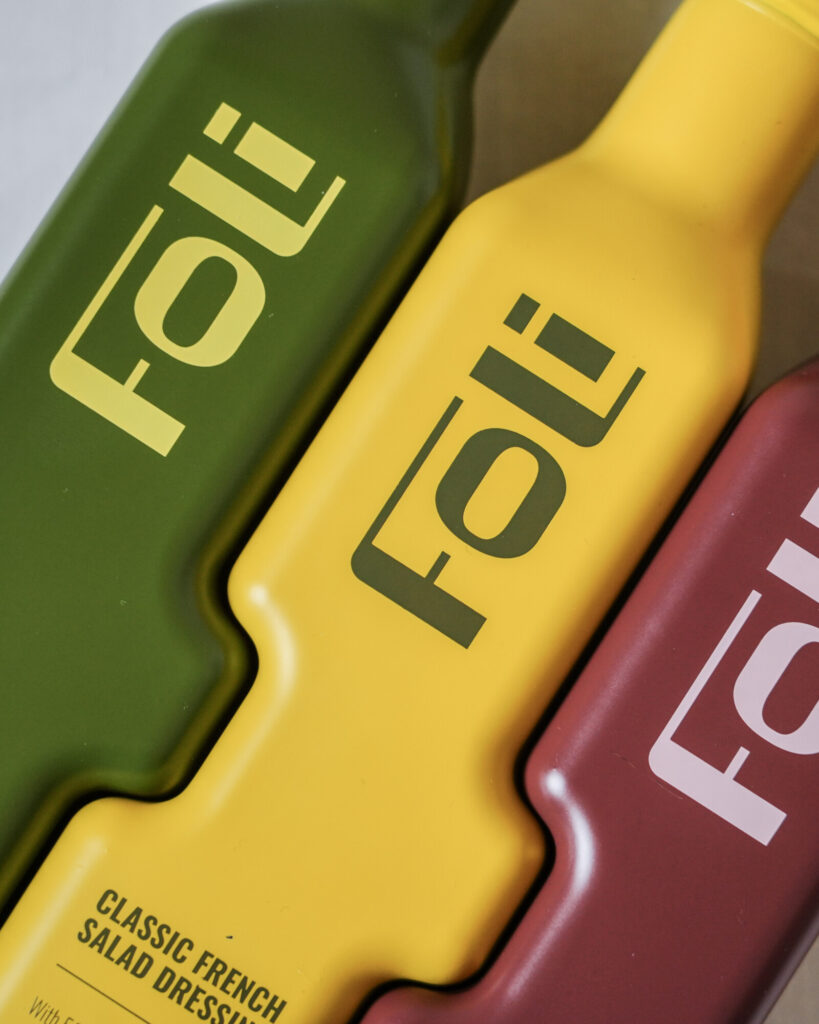
The visual treatment has a functional role, too. FOLI says printing the glass helps protect the products from light while also making the unsightly oil drips and marks often visible on clear bottles less apparent. Material decisions have also been made with longevity and recyclability in mind, with glass bottles, lightweight recyclable aluminium caps and recyclable cardboard outer packaging.
For Currie, the ambition was to create something people would eat, replenish, display and share.
So she made the one she wanted on her table.
Nohra Currie will appear on “Brands to watch: businesses blowing up” at London Packaging Week, Excel London, on Wednesday 16 September, from 3:35 pm–4:15 pm on the Luxury stage, alongside HairGym Co-Founder Arianna Broderick and Citizens of Soil Head of Operations Natalie Williams.
Check out our socials
The latest packaging projects
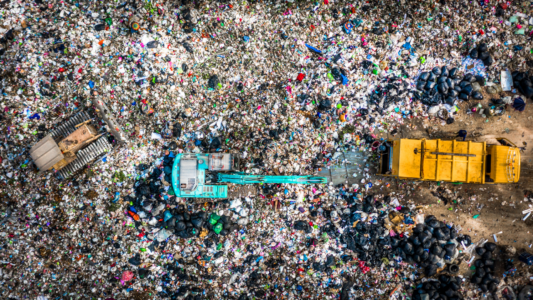
Is pEPR creating more packaging waste than it prevents?
Extended Producer Responsibility (pEPR) has moved from being a future regulatory requirement to an active business cost for UK food and drink producers. With invoices now being issued and further reporting deadlines approaching throughout 2026, packaging decisions are becoming increasingly important not only for sustainability but also for managing compliance costs.
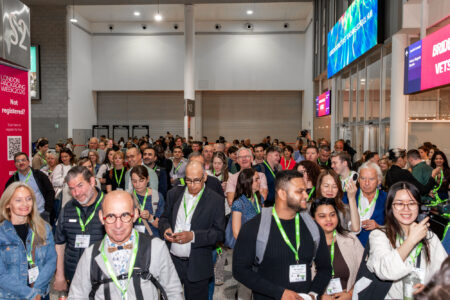
London Packaging Week smashes attendance record with 16% growth in 2026
A record 6,688 unique visitors attended London Packaging Week 2026, as more than 230 exhibitors and over 110 speakers helped deliver the biggest edition in the event’s history.