
The future of Korean wine lies in premium quality
Growth, challenges, and opportunities in South Korea’s evolving wine landscape
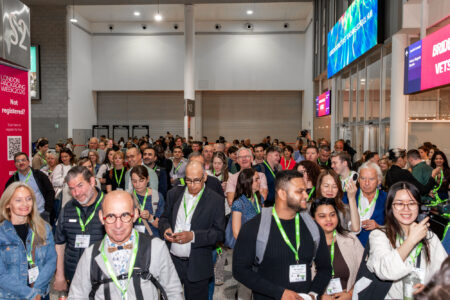
Photo from www.greenqueen.com.hk
The future of the Korean wine market is poised to focus on premium offerings, despite facing several challenges. Master of Wine Jeannie Cho Lee, highlighting the growth and trends at Vinexpo Hong Kong, noted that while wine sales are increasing, the market saw a slight decline in import value post-pandemic. From 2019 to 2022, wine imports surged by 123%, but then contracted by 12% in 2023.
Wine consumption in South Korea, largely perceived as sophisticated and enjoyed at home, saw a boost when the government permitted online sales. Red wines dominate, with France leading imports, followed by Italy, Spain, and Chile. Premium wines, including Champagne, are gaining traction, and women are emerging as the primary consumers, potentially reaching 60% market share in the next decade.
However, the market faces hurdles. Ted Ko of Town Wine and Prime Cellar highlighted a shift towards whisky and traditional Korean drinks, compounded by high wine taxes driving consumers to purchase abroad. Stockpiling by importers during the growth period has led to discounting as sales cool down, affecting import numbers and profits.
Despite these challenges, the premium wine sector shows resilience, with prestigious labels becoming increasingly popular. Shinsagae Group is capitalising on this trend by launching a high-end wine retail space in collaboration with Jeannie Cho Lee. For newcomers, targeting bulk or luxury iconic wines might offer the best opportunity in this evolving market.
Check out our socials
Lorem ipsum dolor sit amet, consectetur adipiscing elit Lorem ipsum dolor sit amet, consectetur adipiscing elit
The latest packaging projects

From intention to impact: Designing emotion into luxury packaging
Vincent Villéger reflects on the growing role of intentionality in luxury packaging design, and how precision, psychology, and brand clarity are shaping a more considered creative landscape.

Stylish, modern and accessible. Inclusive design is a smart commercial decision
What use is packaging if it alienates a big portion of users? As some of the most forward-thinking brands in beauty, tech and beyond are discovering, designing with empathy and accessibility front of mind isn’t a constraint, but a competitive edge. Casey McHugh, Conference & Community Manager at Easyfairs, explains why.