
Are glass bottles worse than plastic?
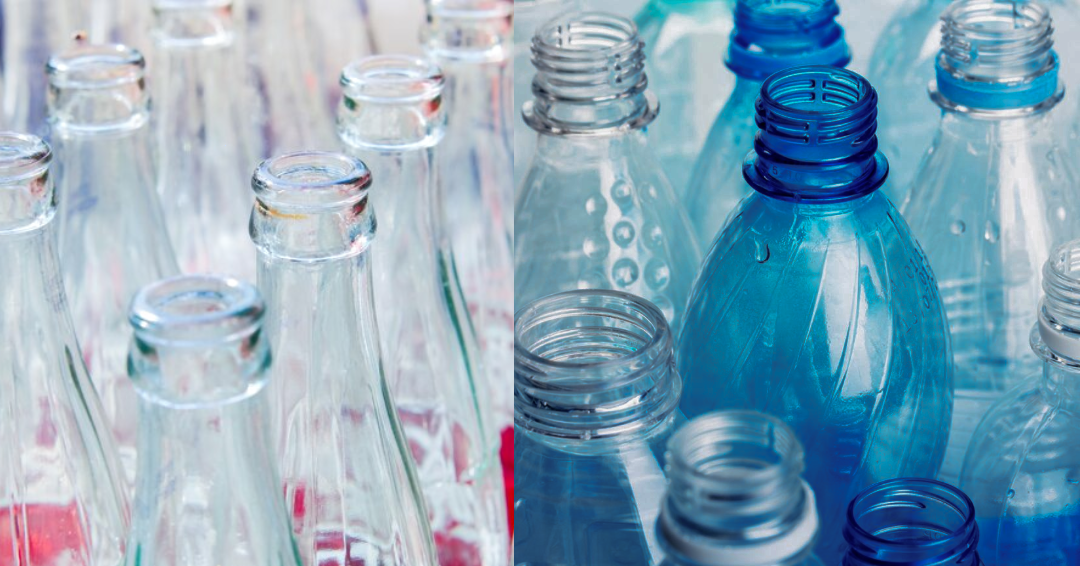
Contrary to popular belief, a new study by France’s food safety agency (ANSES) reveals that drinks in glass bottles contain significantly more microplastics than those in plastic or metal packaging.
For years, glass has been promoted as the safer and more eco-friendly alternative to plastic. Plastic packaging has been heavily criticised for contributing to pollution and microplastic exposure.
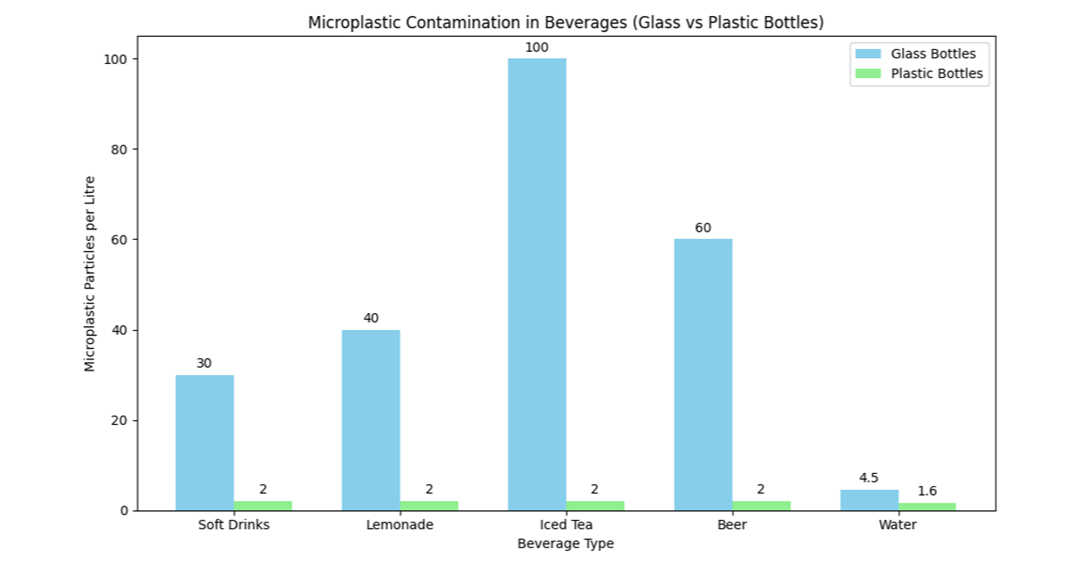
Despite this, researchers discovered that soft drinks, lemonade, iced tea, and beer in glass bottles contained approximately one hundred microplastic particles per litre, five to fifty times more than similar drinks in plastic bottles. Water showed lower contamination overall, with 4.5 particles per litre in glass versus 1.6 in plastic.
The source of these particles was traced not to the glass itself, but to the painted metal caps. Microscopic abrasions on the caps caused tiny paint flakes to fall into the beverages.
ANSES noted that simple cleaning methods such as air-blowing and rinsing caps with water and alcohol could reduce microplastic levels by up to 60%, offering a practical solution for beverage producers.
Check out our socials
Lorem ipsum dolor sit amet, consectetur adipiscing elit Lorem ipsum dolor sit amet, consectetur adipiscing elit
The latest packaging projects

From intention to impact: Designing emotion into luxury packaging
Vincent Villéger reflects on the growing role of intentionality in luxury packaging design, and how precision, psychology, and brand clarity are shaping a more considered creative landscape.

Stylish, modern and accessible. Inclusive design is a smart commercial decision
What use is packaging if it alienates a big portion of users? As some of the most forward-thinking brands in beauty, tech and beyond are discovering, designing with empathy and accessibility front of mind isn’t a constraint, but a competitive edge. Casey McHugh, Conference & Community Manager at Easyfairs, explains why.