

Has the B Corp movement got too big?
With over 6,000 B Corps operating globally, even among some multinationals that have sparked controversy, there are efforts to re-evaluate the certification process to ensure the continued effectiveness of the movement’s positive influence.
Since the certification of the first B Corps in 2007, there has been a significant evolution of the movement. Initially, all certified companies were small or medium-sized and focused on purpose-driven initiatives, like Patagonia, the outdoor clothing retailer. Presently, over 90 of the 6,000+ B Corps are multinational corporations, and their employees make up nearly a third of the total B Corp workforce.
Nestlé-owned coffee brand Nespresso is among the multinational B Corps, and its certification last year caused some controversy within the movement. This led to an open letter signed by 30 existing members urging B Lab to strengthen the certification process to avoid jeopardizing the movement’s integrity.
“The movement has reached a point where it needs to step back and critically reassess its purpose and how far it is living up to its potential,” says Dr Malu Villela, a senior research associate at the University of Bristol’s School of Management.
Check out our socials
Lorem ipsum dolor sit amet, consectetur adipiscing elit Lorem ipsum dolor sit amet, consectetur adipiscing elit
The latest packaging projects

The price of prestige: Why luxury’s squeeze could make packaging more important than ever
Luxury consumers are spending more carefully, regulation is intensifying, and brands are being challenged to deliver more with less. Yet Jane Hamilton, Senior Business Journalist at The Times, believes the desire for luxury remains remarkably resilient. Speaking at London Packaging Week, she argued that changing prestige economics could make packaging more important, not less.
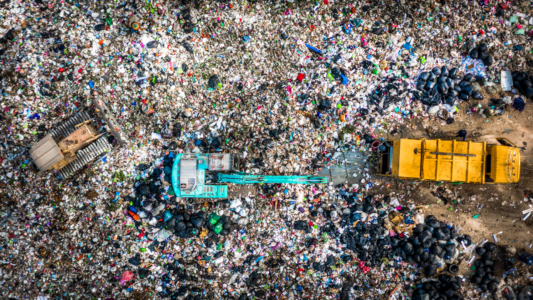
Is pEPR creating more packaging waste than it prevents?
Extended Producer Responsibility (pEPR) has moved from being a future regulatory requirement to an active business cost for UK food and drink producers. With invoices now being issued and further reporting deadlines approaching throughout 2026, packaging decisions are becoming increasingly important not only for sustainability but also for managing compliance costs.