

Mars Wrigley invests $28.8 million in local manufacturing
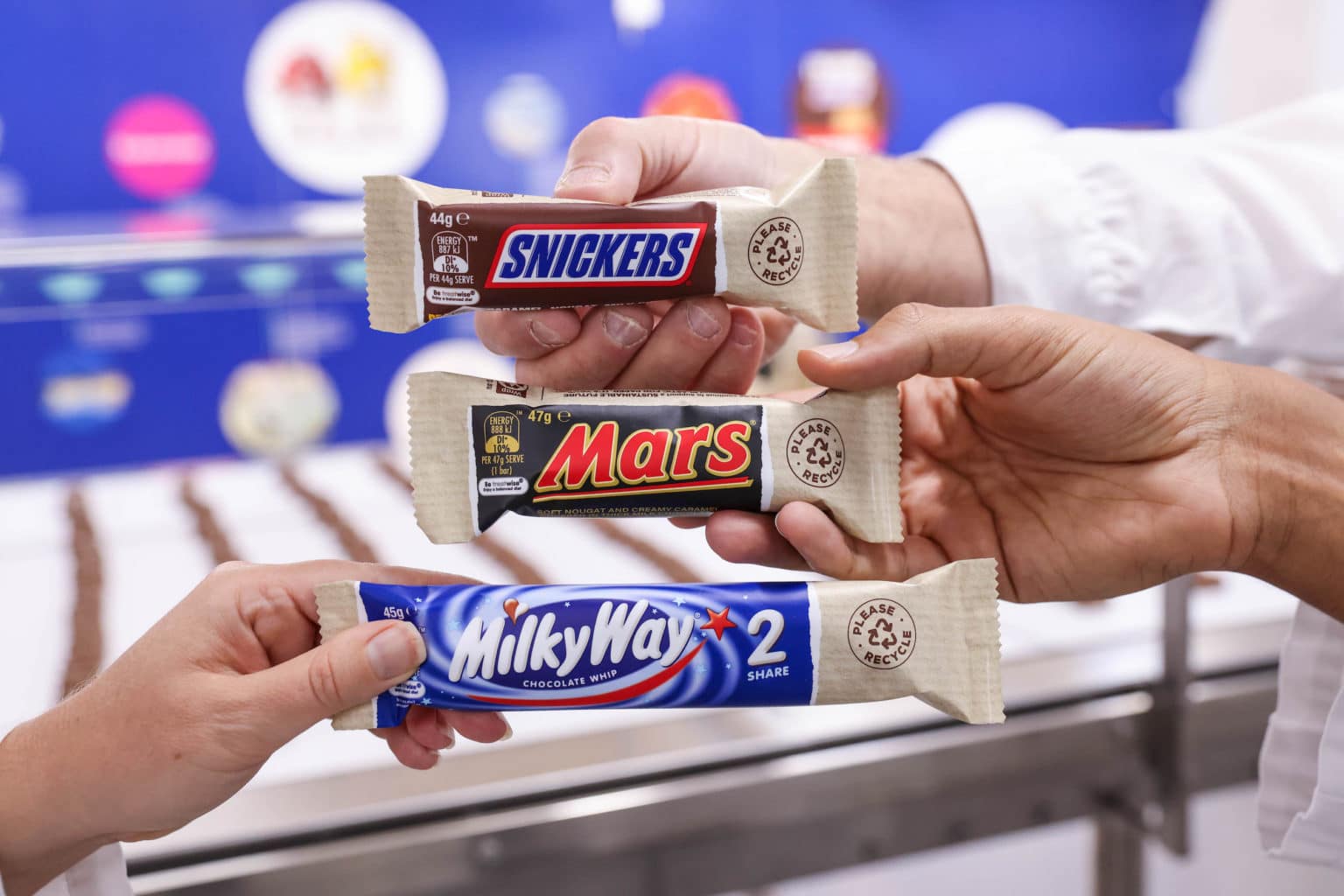
Mars Wrigley Australia has announced the additional investment at its Ballarat factory as its world-first sustainable packaging hits shelves nationwide, building on more than $67 million invested since 2021.
In a groundbreaking move, Mars Wrigley has announced that its popular MARS BAR, SNICKERS, and MILKY WAY chocolate bars will now come in new paper-based packaging that can be recycled through traditional kerbside recycling bins. This marks a world first for the company, showcasing its commitment to sustainability and reducing plastic waste. After extensive research and development trials conducted at Mars Wrigley’s manufacturing site in Ballarat, the new packaging is set to eliminate over 360 tonnes of plastic from the company’s value chain, equivalent to a stretch from Melbourne to London and back.
The new packaging is expected to be available on store shelves from 10 April, heralding a significant step towards more eco-friendly packaging for Mars Wrigley’s iconic chocolate bars.
Check out our socials
Lorem ipsum dolor sit amet, consectetur adipiscing elit Lorem ipsum dolor sit amet, consectetur adipiscing elit
The latest packaging projects

Innocent and Notpla gives ginger shots an edible packaging makeover
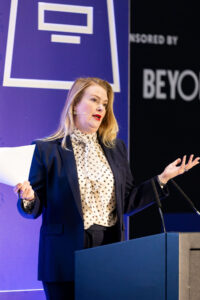
Luxury consumers are spending more carefully, regulation is intensifying, and brands are being challenged to deliver more with less. Yet Jane Hamilton, Senior Business Journalist at The Times, believes the desire for luxury remains remarkably resilient. Speaking at London Packaging Week, she argued that changing prestige economics could make packaging more important, not less.
The price of prestige: Why luxury’s squeeze could make packaging more important than ever
Luxury consumers are spending more carefully, regulation is intensifying, and brands are being challenged to deliver more with less. Yet Jane Hamilton, Senior Business Journalist at The Times, believes the desire for luxury remains remarkably resilient. Speaking at London Packaging Week, she argued that changing prestige economics could make packaging more important, not less.