
When the World becomes a shared broadcast
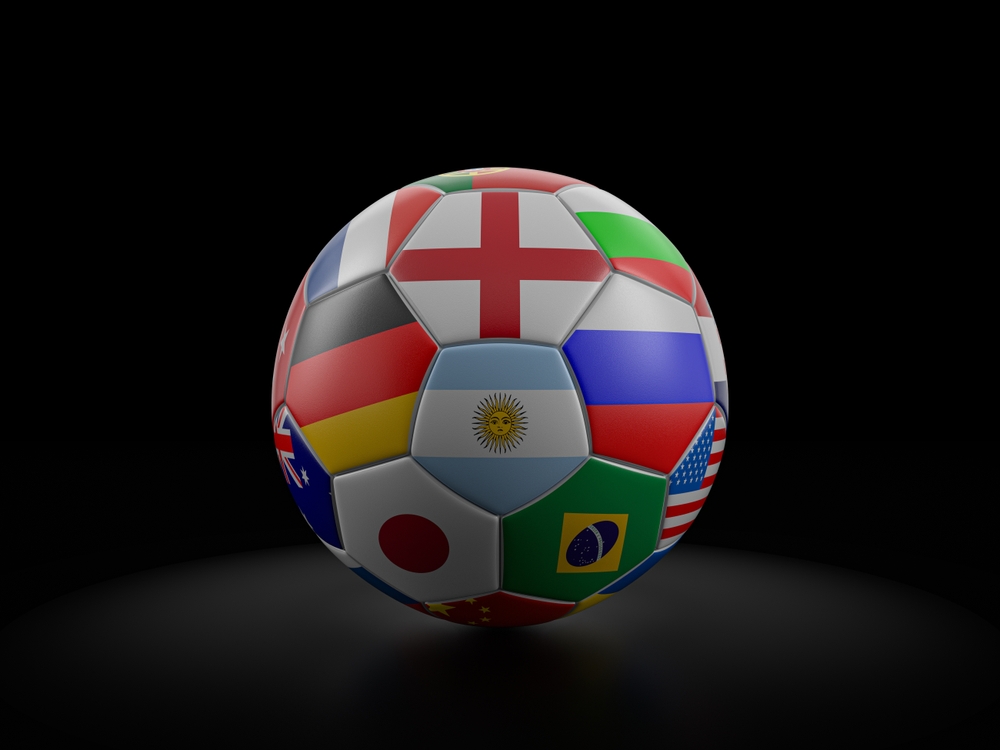
Every four years, something unmistakable happens to the rhythm of everyday life. Across continents, time briefly bends itself around a shared schedule that nobody formally agreed to, but everyone understands.
The FIFA World Cup is one of the few remaining cultural moments that still becomes the temporary focus of global attention. And within that condition, brands appear. Some convincingly. Many less so.
The tournament creates shared experience, but not shared meaning. The same match is experienced differently in London, Lagos, São Paulo and Seoul, filtered through local rituals, codes and emotions.
This question increasingly sits at the heart of branding, design and packaging, and framed the discussion at London Packaging Week.
For Nick Vaus, Co-Founder of Free The Birds, this is where many global brands misread the opportunity.
“The World Cup reveals that cultural relevance isn’t built through a singular strategic output. With it being such a revered cultural event, brands must be considered in their approach to using the platform. Relevance is therefore built through shared meaning. While billions of people may be watching the same tournament, they’re experiencing it through entirely different cultural, emotional, and social lenses.”
The implication is straightforward: global consistency alone is no longer enough. Instead, relevance is increasingly shaped by context.
“Brands can’t say the same thing everywhere. It comes from standing for something consistent while allowing it to be expressed in ways that resonate locally. The strongest brands don’t impose themselves onto culture; they find where they naturally fit within it.”

There is another reason global sporting events remain so culturally powerful. Despite the commercial machinery surrounding them, they still primarily belong to the people experiencing them. Every city, team and community develops its own language, rituals and mythology. The chants sung in Buenos Aires are not the same as those heard in Birmingham. The superstitions carried into a match in Lagos are not the same as those found in Madrid.
Matt Down, Co-founder of Deuce Studio, has a similar perspective. “The World Cup is one of the few cultural events that speaks to everyone at the same time, and that’s exactly what makes it such a useful lesson for brands,” he says. “Relevance across cultures doesn’t come from one big message broadcast to everyone; it comes from finding the single thing everyone already recognises and giving people the room to bring their own meaning to it. With football, that thing is universal; everyone has played, and almost everyone has a memory of a game that still brings a smile. The feeling is the same everywhere, even if the story around it isn’t.”
The most successful campaigns capture this universality. It provides an interesting counterpoint to the algorithm-driven, hyper-specific personalisation driving many advertising campaigns today, without sacrificing any of the relevance.
“Take Adidas’ Backyard Legends,” Matt adds. “It’s built on something every fan has lived: football with your mates and the moments it creates. Whether in a park, on a street corner, in a cage, or on a beach. All different places, but the same story is told differently. That’s where the authenticity comes from. A brand keeps its relevance not by flattening everyone into one global message, but by creating the space for whoever’s telling the story to say the same thing in their own way, and with the same passion.”
As Natalie Alexander, Co-Founder of award-winning London creative studio Butterfly Cannon, observes: “Every group of fans has its own codes, customs and quirks. The trick is knowing when to lean into those differences and when to tap into the shared truths that bring them together.”
For brands, that balance between local nuance and universal emotion may be one of the defining creative challenges of modern global branding.
Yet presence alone does not guarantee participation.
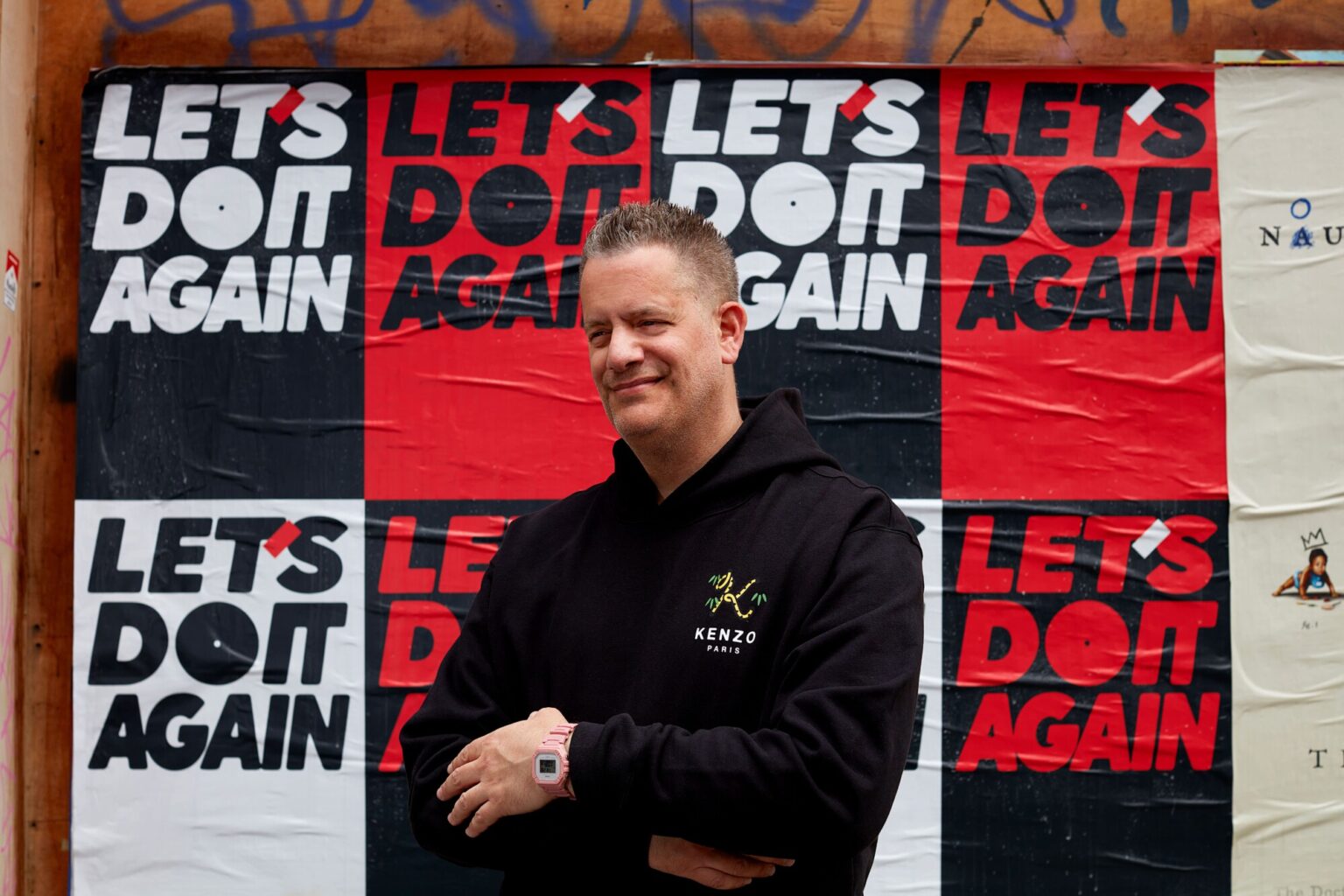
The FIFA World Cup remains one of the most commercially saturated events in global sport, yet the brands that endure in memory are rarely those with the most visible placement. For David Beare, Executive Creative Director at Bulletproof, the world’s largest independent brand agency, the challenge lies in legitimacy.
“The brands that succeed are rarely the ones that simply sponsor the event. The brands that really land in cultural moments are the ones that earn their place inside the culture, rather than simply buying space around it.”
For audiences, the distinction is often obvious.
“Fans don’t build relationships with perimeter boards or official partner logos,” says Alexander. “They build relationships with the brands that understand their rituals, emotions and behaviours and find authentic ways to contribute to them.”
Visibility can be bought. Relevance cannot.
Increasingly, that relevance is not built through advertising space at all, but through the collision of different cultural worlds.
Ahead of England’s World Cup warm-up against Costa Rica, the team arrived in the Palace x Nike England collaboration, turning a pre-match entrance into a convergence of fashion, sport and identity.
“What made it feel powerful was the collision of worlds,” says Beare. “Palace started as a relatively niche skate and streetwear brand. Nike is one of the world’s biggest sporting brands. England carries the emotion, tension and mythology of national football. Then you add the World Cup, the greatest global stage in the sport. And then you add the players themselves, many of whom are brands in their own right.
This was less a traditional collaboration than a stacking of cultural systems.
“Maybe it is not a four-way collaboration at all. Maybe it is five brands, or even more, all amplifying each other at exactly the right cultural moment.”
This is where sport stops behaving like sport alone, and begins operating as culture infrastructure—where fashion, identity, entertainment and commerce temporarily overlap.
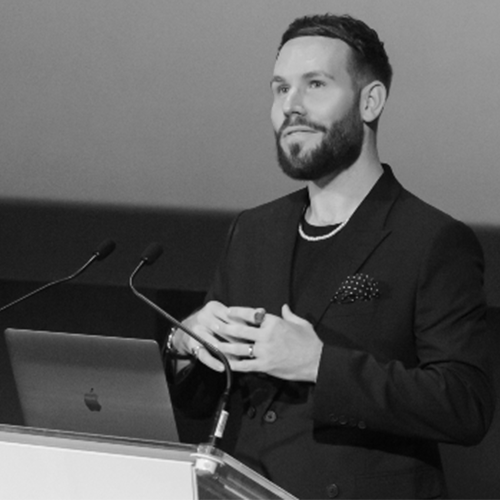
Adam Ryan, Head of Pentawards, the world’s leading platform and community dedicated to packaging design, sees this shift expressed not just in moments, but in objects.
“Major cultural moments like the FIFA World Cup present brands with an opportunity to become part of a shared global conversation. The most successful activations aren’t simply logo placements or sponsorships – they’re expressions of creativity that tap into the emotion, anticipation and sense of community that these events generate.”
Increasingly, that expression is physical: packaging, objects and collaborations designed to be kept, not simply seen.
“We’re seeing brands use packaging, collaborations and creative partnerships as a way to engage audiences beyond traditional advertising.”
Some of the most effective examples are also the simplest. Familiar products temporarily re-coded as cultural artefacts.
Their success lies not simply in association with the tournament, but in tapping into behaviours already surrounding it.
Alexander believes the strongest limited editions understand fandom from the inside.
“The best World Cup limited editions don’t talk to football fans. They talk like football fans.”
That means understanding the emotional texture of the experience rather than its visual codes alone. Great event packaging does not merely commemorate a moment; it becomes part of the experience.
“They understand the rituals, the superstitions, the banter and the blind optimism. If they aren’t provoking a reaction or becoming a talking point, they’re just merchandise.”
Elsewhere, collaboration becomes the vehicle for surprise.
“Collaborations such as the recent Heinz and Heineken partnership demonstrate how brands can create unexpected moments that feel relevant to the occasion while amplifying cultural reach,” adds Ryan.
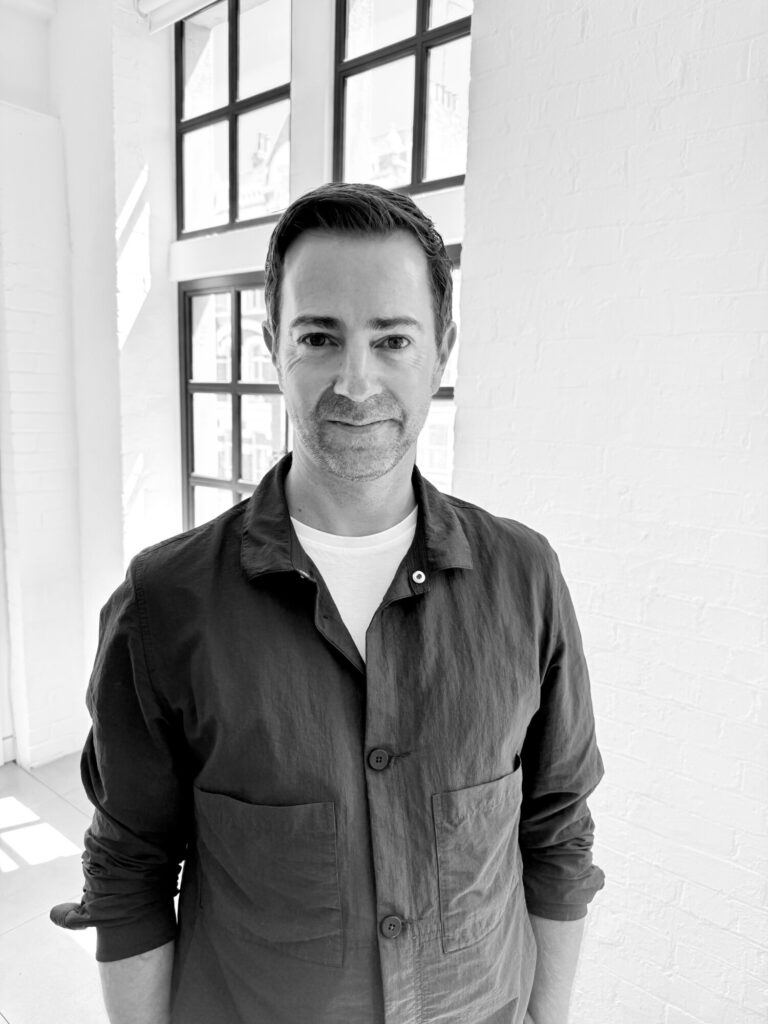
Interestingly, Vaus points to the same partnership as an example of how cultural relevance often emerges through discussion rather than consensus.
“At Free The Birds, we recently discussed the Heinz Ketchup and Heineken beer collaboration, which came with the slogan ‘A great match’. Whilst this caused great debate, ‘Is a bottle of ketchup really something you need with your pack of beers?’ the team quipped, but at first glance, for many, the messaging and packaging felt authentic and exciting, plus it ignited discussion.”
Perhaps that is part of the point. Cultural participation is not always about universal approval. Sometimes it is about creating something that people feel compelled to talk about.
Boma Krijgsman, Senior Marketing Manager at global design and innovation studio Thirst, agrees that the most effective activations are rooted in behaviours that already exist around the occasion rather than the occasion itself.
“We’ve seen countless World Cup limited editions from brands like Coca-Cola, Jameson and beer brands looking to tap into the occasion. Those activations can be effective, but only when they’re connected to something bigger than the tournament itself.”
Yet Ryan argues that some of the most compelling cultural participation is now coming from outside the traditional brand world.
“What’s particularly interesting is that participation in these moments is no longer limited to brands alone. Artists and designers are also playing a significant role in shaping how audiences experience major events.”
As sport increasingly overlaps with fashion, design and popular culture, creative practitioners are becoming interpreters as much as observers.
“Creative artists such as Craig Black have shown how sport can become a canvas for artistic expression, using visual storytelling to capture the energy and emotion surrounding the game in ways that resonate across communities and platforms.”
In this expanded ecosystem, relevance is being built through participation, interpretation and contribution, and this is why the distinction between visibility and value has become so important. Packaging, in particular, now sits at the intersection of those two ideas.
“Packaging can turn a cultural moment into something people can hold, own, collect, share and remember,” says Beare. “But only when it is rooted in a genuine idea, rather than simply decorated for the occasion.”
That tangible quality gives packaging a role that many other touchpoints cannot perform, persisting long after other forms disappear or are forgotten. As Alexander notes: “Packaging has an important role to play here. It’s often the one thing fans physically take away from the experience. It’s there when the celebrations happen, when friends come together to watch a match, when photos get shared, and sometimes long after the tournament has ended.”
Its value, therefore, extends beyond communication. The challenge is ensuring design serves the experience rather than attempting to replace it.
As Boma notes: “Packaging, design and brand expression can help bring a brand into the conversation, but they aren’t the reason people connect with it in the first place.”
The same principle applies to the World Cup. The most effective brands understand that fans rarely remember a tournament as a sequence of fixtures. They remember where they watched it, who they watched it with, and how it felt.
“The best limited editions capture a feeling, a ritual or a piece of fan culture that people recognise as their own,” says Boma.
She points to Coca-Cola’s recent partnership with Panini as an example of a brand building upon an existing behaviour rather than creating a new one.
“It builds on the long-standing fan ritual of collecting and trading football stickers rather than simply commemorating the tournament.”
Across all of this sits a simple yet increasingly defining shift: brands are no longer judged solely by their presence in cultural moments, but by their contribution to them. And contribution, as Vaus suggests, is ultimately measured locally rather than globally.
“Campaigns like Coca-Cola’s global fan storytelling or Lay’s ‘watch party’ platform work because they don’t try to redefine football. They reflect how it already lives in different contexts: in stadiums, living rooms, corner shops and street gatherings.”
The most effective brands, then, are those that understand that global attention is always locally experienced.
“Limited edition packaging might get attention, but culture is what creates connection,” says Boma. “The strongest brands use design and packaging to express something people already feel, rather than trying to manufacture relevance from scratch.”
When that happens, the brand stops sitting alongside the story and becomes part of it. Ultimately, the brands that matter during moments like the World Cup are the ones that contribute something people would miss if they were not there.
It is a theme that increasingly resonates across the conversations shaping the future of packaging, branding and design — conversations that continue at September’s must-attend London Packaging Week.
The World Cup will continue to produce winners on the pitch.
Off it, the distinction is less dramatic, but more enduring.
Some brands will buy visibility.
Others will earn relevance.
As Beare puts it: “Sponsorship buys visibility. Design creates meaning.”
And long after the final whistle, it is meaning — not visibility — that tends to remain.
Check out our socials
Lorem ipsum dolor sit amet, consectetur adipiscing elit Lorem ipsum dolor sit amet, consectetur adipiscing elit
The latest packaging projects
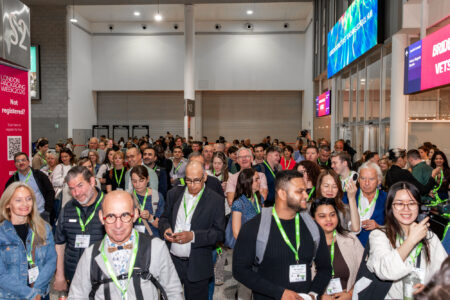
London Packaging Week smashes attendance record with 16% growth in 2026
A record 6,688 unique visitors attended London Packaging Week 2026, as more than 230 exhibitors and over 110 speakers helped deliver the biggest edition in the event’s history.
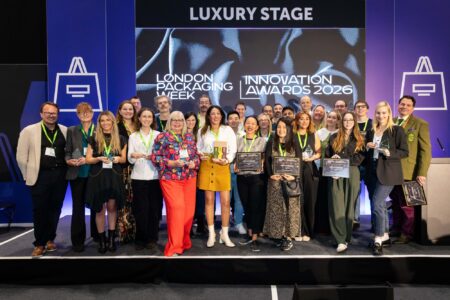
Prada, Jack Daniel’s, Heinz and Hotel Chocolat among London Packaging Week Innovation Awards winners
From Formula 1-inspired luxury engineering and interactive launch packs to everyday usability and recyclable flexible packaging, the 2026 London Packaging Week Innovation Awards reveal how brands are turning packaging into a source of practical, commercial and consumer value.