
The biggest threat to iconic packaging is often the people who own it
Every brand wants to be distinctive. In an increasingly crowded marketplace, where consumers face more choices than ever before, recognition has become one of the most valuable assets a brand can build.
Yet one of the biggest threats to iconic packaging often comes from within the organisation itself.
The teams responsible for managing and evolving a brand can become so close to its visual identity that they lose sight of how consumers actually experience it. A colour, shape, symbol, or structural feature that feels familiar, even ordinary, internally may be one of the brand’s strongest memory structures externally. Equally, an element that appears ready for modernisation may still be playing a crucial role in helping consumers recognise, choose and remember the brand.
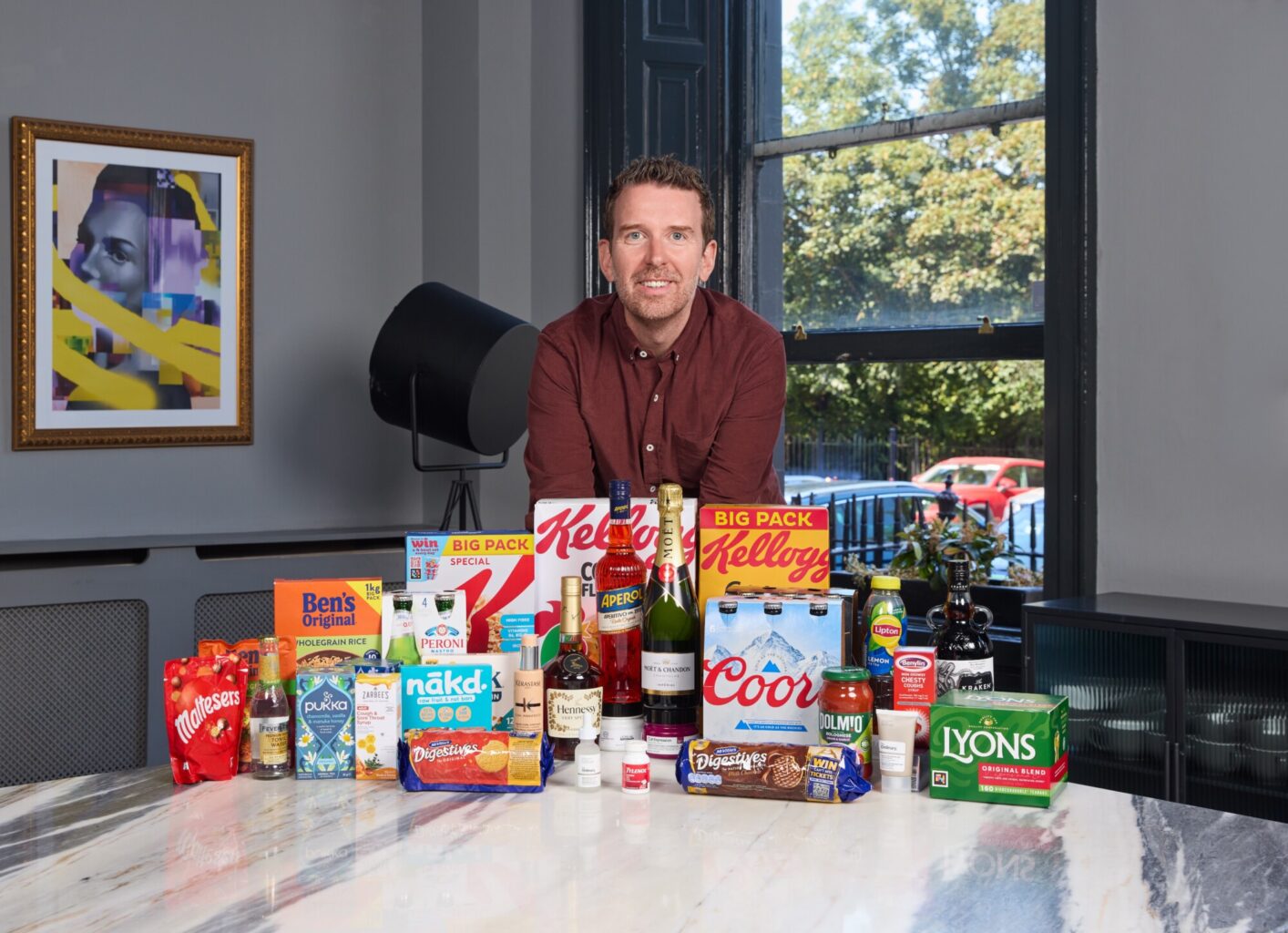
For Cathal Gillen, Co-Founder and Head of Strategy at Distinctive BAT, this gap between internal perception and consumer reality is one of the biggest challenges facing brands today.
“The biggest thing is remembering that most people simply don’t care about your packaging in the way you do,” he says. “Most brands have their super fans and a small portion who are loyal buyers, but for the vast majority of consumers, your packaging isn’t front of mind. What you believe is distinctive may not even register with consumers at scale. That’s why it’s so important to remember that you are not the consumer.”
It is this principle that sits at the heart of Distinctive BAT’s work: helping brands understand which elements of their packaging are genuinely distinctive, which are simply category cues, and which have the potential to become powerful long-term brand assets.
Cathal will explore these ideas in more detail at London Packaging Week, where he will join industry leaders for the session “The art of enduring luxury: building distinctive brands through craft, heritage & design”. The session will examine how premium brands use packaging, craftsmanship, and distinctive design cues to build recognition, foster emotional connection, and protect long-term brand value.
Packaging that builds memory
Cathal’s perspective has been shaped by experience inside the premium spirits category. Before founding Distinctive BAT, he worked client-side at William Grant & Sons, where he saw first-hand the impact that distinctive packaging could have on brand growth through work on brands including Hendrick’s Gin and Monkey Shoulder.
“What we realised was that packaging isn’t just about looking good,” he explains. “It’s about building memory structures and brand equity.”
That distinction is important. While packaging is often judged through the lens of aesthetics, its commercial role is much broader. The most effective packaging creates recognition that accumulates over time.
This was the insight that led Cathal and his co-founder to build Distinctive BAT around the principles of distinctive brand asset research developed by Ehrenberg-Bass. Their approach is designed to help brands move beyond internal assumptions and understand what consumers genuinely associate with them.
For many organisations, this can reveal uncomfortable truths.
“The biggest challenge for brand teams is that they’ve lived with a brand for so long they can’t always see it objectively,” says Cathal. “What they believe is distinctive often isn’t when you ask category buyers at scale.”
The difference between being recognised and being owned
One of the biggest misconceptions in packaging is that familiarity automatically translates into distinctiveness.
It does not.
A consumer may recognise a colour, shape or design feature without knowing which brand it belongs to. They may even attribute it incorrectly to a competitor.
For Cathal, the real measure of success is not recognition alone, but spontaneous brand attribution.
“Someone might recognise an asset without knowing which brand it belongs to, or they might even attribute it to the wrong brand,” he explains. “The real goal is spontaneous brand attribution. That’s when consumers instantly and correctly link an asset back to the right brand without prompting. That’s the hardest thing to achieve, but it’s also where the real commercial value lies.”
This distinction is particularly important in luxury categories, where brands often rely on powerful visual codes associated with heritage, craftsmanship and quality. The challenge is ensuring those codes are genuinely ownable.
“In many categories it is most often fine for the bigger players to lean quite a bit into the generic category codes, in many ways they create them. They then let familiarity and availability, both mental and physical, do a lot of heavy lifting. While some other smaller brands can then copy these codes, and live off the scraps of ad hoc trial and switching, the real potential is to step a few degrees away from the category norms to create something distinctive and standout. I’d put the likes of Tito’s, Monkey Shoulder even Aviation in this bracket”
A premium appearance is not the same as distinctive ownership.
The strongest brands understand the difference.
Why iconic packaging deserves protection
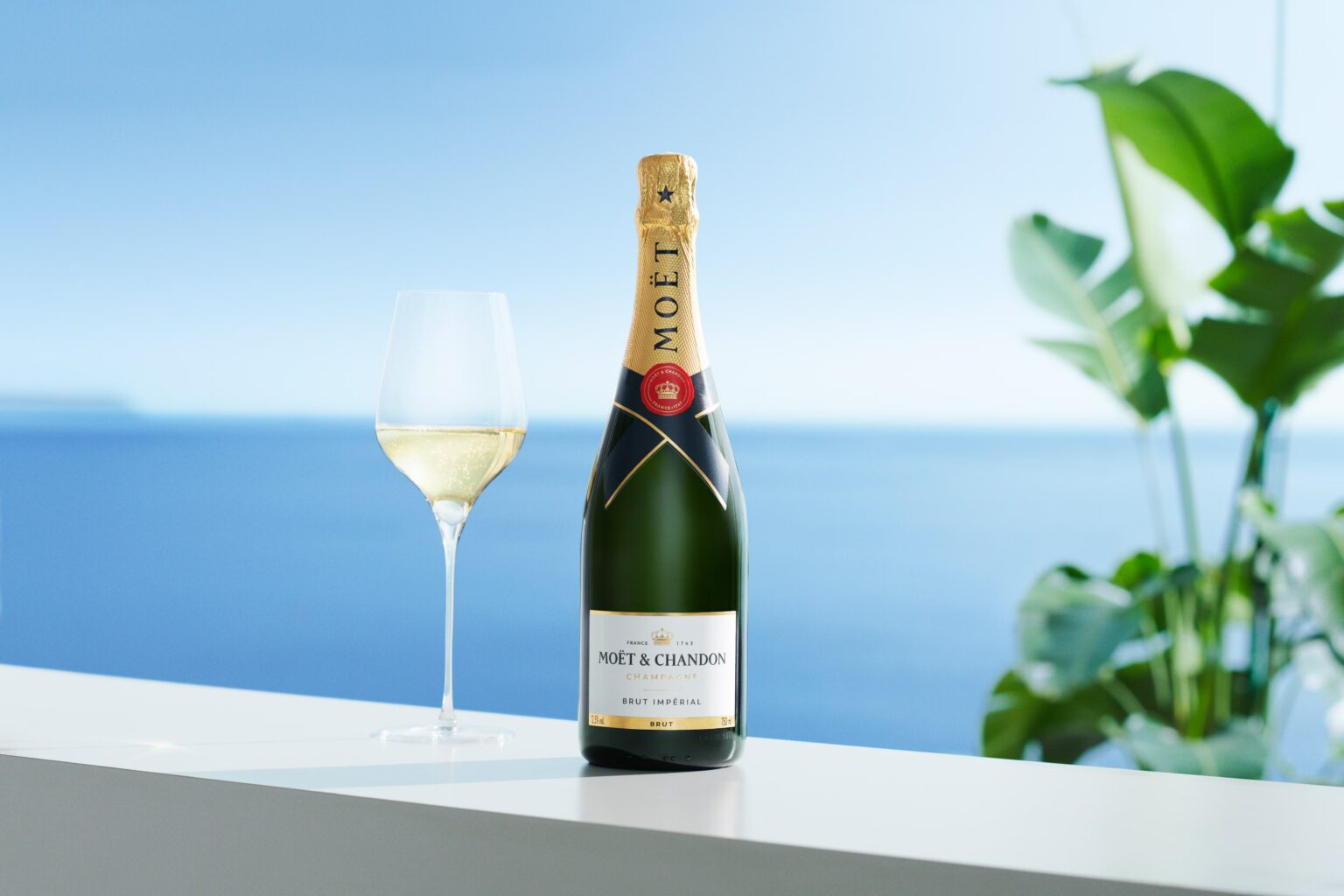
Luxury and spirits provide some of the clearest examples of packaging becoming a genuine brand asset.
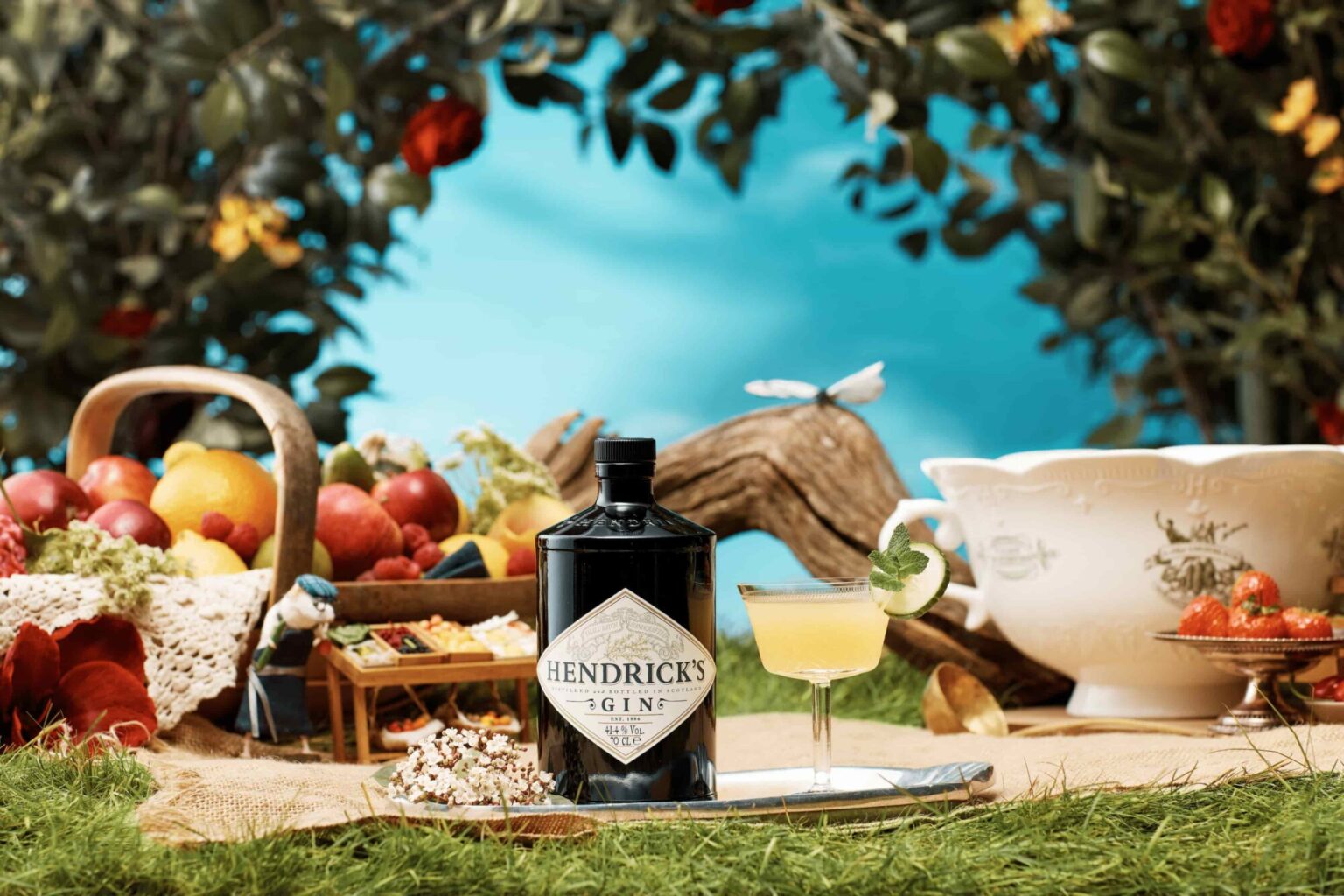
Cathal points to Hendrick’s Gin as a case study in the power of distinctive design.
“Having worked on Hendrick’s Gin, I’d give that bottle a huge amount of the credit for the brand’s success,” he says. “It was immediately distinctive in a sea of similar-looking competitors, and it continues to do a huge amount of heavy lifting for the brand today as new variants are introduced.”
The bottle became more than a container. It became a shortcut to recognition.
That is the commercial power of distinctive packaging: it allows brands to build familiarity over time and carry that equity into new launches, markets, and occasions.
But building that kind of recognition requires patience.
“Distinctive assets rarely become powerful overnight,” says Cathal. “They require consistency, investment and time.”
The danger of redesigning away brand equity
Despite the value of distinctive assets, many brands regularly abandon elements that are already working.
Often, packaging becomes a convenient target when businesses are facing broader challenges.
“One of the biggest mistakes we see is brands abandoning assets that actually perform well,” Cathal explains.
“An asset gets blamed for wider business issues, such as a lack of premium perception, when that asset was never responsible for communicating premium in the first place.”
Premium positioning is built on many factors: product quality, pricing, service, experience, and reputation. Packaging plays an important role, but individual assets should be judged according to the job they are designed to do.
When brands expect every element of packaging to solve every challenge, they risk removing valuable equity.
Another challenge is internal preference.
“Sometimes an asset has real potential but never receives enough prominence because someone senior simply doesn’t like it. If it’s always hidden away or treated as a secondary element, it never has the opportunity to become a genuine, distinctive asset.”
The result is that brands can unintentionally prevent their own packaging from becoming memorable.
The discipline of fresh consistency
Protecting distinctive assets does not mean refusing to evolve.
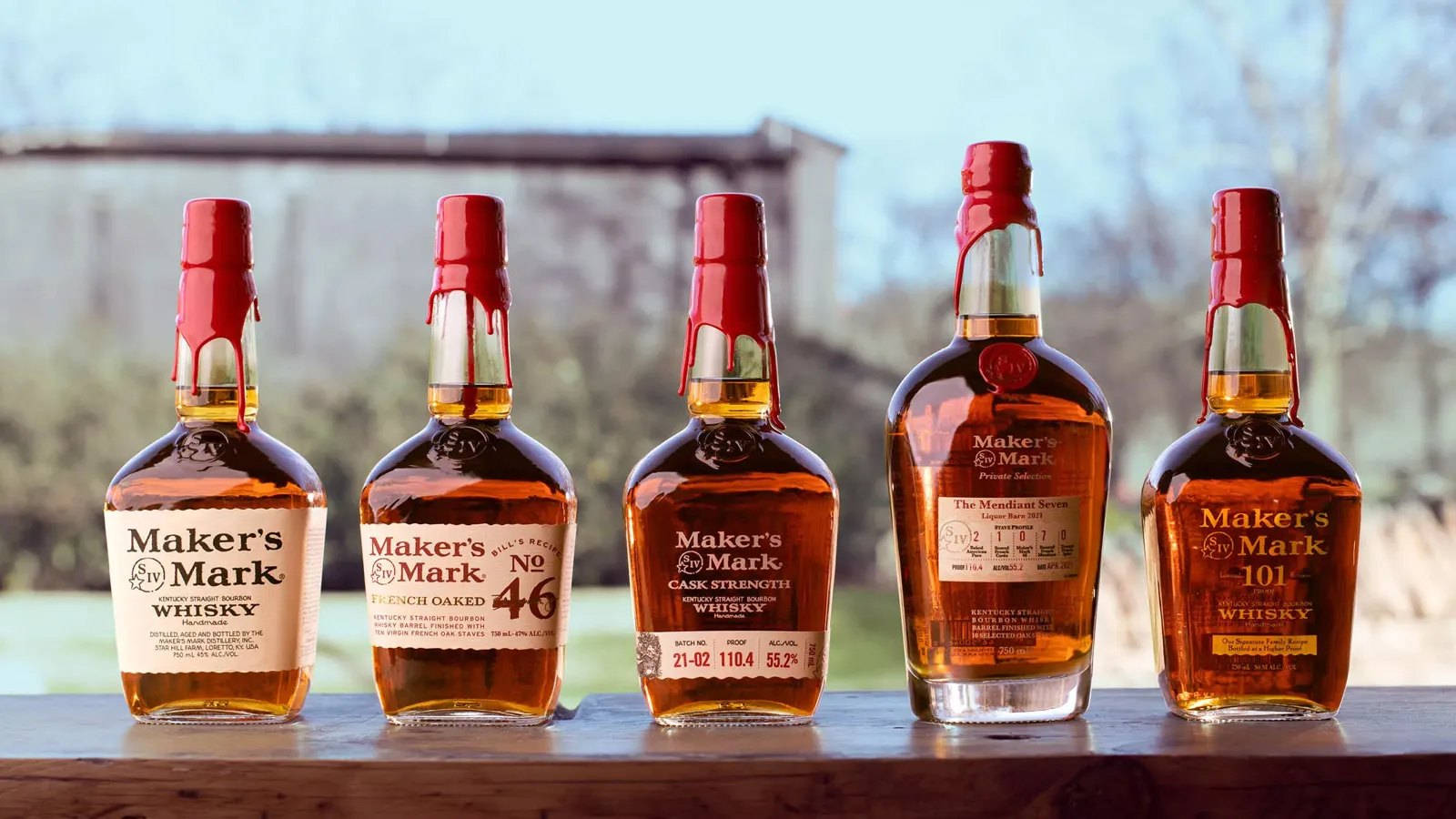
The strongest brands understand how to modernise while maintaining recognition. Cathal references David Taylor’s phrase “fresh consistency” as a useful way to think about packaging evolution.
“Packaging should evolve gradually through small refinements rather than dramatic redesigns.”
This is a principle demonstrated by some of the world’s most recognisable brands. Coca-Cola, for example, has continually evolved its packaging over generations while protecting the core assets that make it instantly identifiable.
The danger comes when brands chase short-term design trends at the expense of long-term recognition.
Simplified branding and stripped-back identities may work brilliantly in certain categories, particularly fashion, but trends are, by definition, temporary.
“Brands shouldn’t allow short-term design fashions to undermine long-term distinctiveness.”
The brands that endure are not those that never change. They are those who understand what must remain.
Building a brand family
Distinctiveness is not only about individual packs. It is also about how an entire portfolio works together.
As brands expand, launch innovations and add new variants, their packaging systems can gradually become fragmented.
“We still see plenty of established and emerging brands that look like a hodgepodge as they’ve added new SKUs and innovations over time without a clear range design system,” says Cathal.
“The logo stays the same, but everything else changes. The result is that the brand dilutes itself because all of the individual packs aren’t working together to build distinctiveness.”
The solution is not to remove flexibility. Brands still need clear navigation for different flavours, variants and categories.
But those differences need to sit within a stronger design system, using consistent elements such as colour, architecture, framing devices or recurring brand assets.
Every product should strengthen the same memory structure.
Packaging still has to work harder than ever
As shopping increasingly moves online, some have questioned whether physical packaging matters as much as it once did.
Cathal disagrees: “I wouldn’t say the thinking needs to be fundamentally different. Distinctiveness is largely channel agnostic.”
The way brands activate assets may change across retail, e-commerce and social media, but the underlying principle remains the same: consumers need to recognise brands quickly and consistently.
“Most brands don’t have enormous media budgets, so their packaging has to work incredibly hard.”
Packaging remains one of the few brand touchpoints consumers physically encounter. It is the expression they see at the moment of decision, whether that decision is made in-store or on a digital shelf.
The brands that win will know what to protect
Ultimately, Cathal believes the future belongs to brands that understand the difference between meaningful evolution and unnecessary reinvention.
“There’s almost always something that can be improved, but the real danger comes when brands throw out everything that’s gone before.”
The most effective marketers are not always those who create the biggest changes. Often, they are the ones who recognise the value of what already exists and have the discipline to build upon it.
“Sometimes change happens for internal political reasons, but the marketers who preserve and strengthen distinctive assets deserve far more credit than those who change things simply to make their mark.”
Because iconic packaging is not created through constant reinvention.
It is built through consistency, investment and time.
And sometimes the smartest thing a brand can do is not ask what it should change next.
It is asking what it should never have changed in the first place.
Cathal Gillen will share further insights into how craft, heritage and distinctive brand assets shape enduring luxury brands at London Packaging Week, alongside leading voices from across luxury, beauty, drinks, FMCG and design.
Register your free visitor pass and be part of London’s home of packaging innovation and design.
Check out our socials
The latest packaging projects
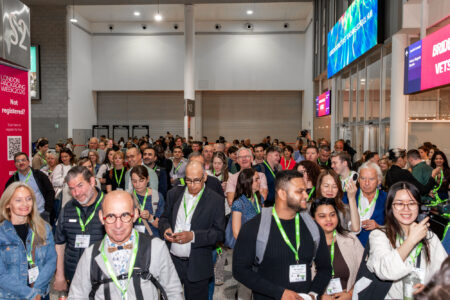
London Packaging Week smashes attendance record with 16% growth in 2026
A record 6,688 unique visitors attended London Packaging Week 2026, as more than 230 exhibitors and over 110 speakers helped deliver the biggest edition in the event’s history.
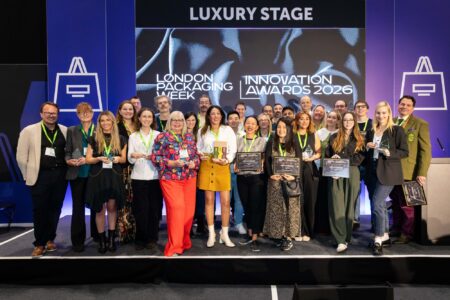
Prada, Jack Daniel’s, Heinz and Hotel Chocolat among London Packaging Week Innovation Awards winners
From Formula 1-inspired luxury engineering and interactive launch packs to everyday usability and recyclable flexible packaging, the 2026 London Packaging Week Innovation Awards reveal how brands are turning packaging into a source of practical, commercial and consumer value.