
How fine food and beverage packaging is being redefined
Fine food and beverage packaging is being re-engineered from the inside out, driven by the latest material science, smart solutions, and substantiated sustainability.
When London Packaging Week 2026 returns on 16 & 17 September, the scale of the evolution is brought to life by exhibitors and their solutions suited to creators and purveyors of fine foods and beverages.
The evidence of the evolution in packaging for fine foods and beverages is everywhere.
The confectionery box closed with a soft, matte paper fold; the artisan cheese sold in recyclable mono-material films and trays; and a bottle of spirit with added NFC functionality, delivering heightened consumer engagement.
Some changes are imperceptible to the naked eye, such as lighter weight glass wine bottles and tracked caviar packaging that is made fully traceable by hidden digital watermarks.
These are just a handful of examples that illustrate deeper changes that are ongoing in fine food and beverages, which is a category that is highly sensitive to changes in the look and feel of packaging, but which must also evolve and adapt in line with the need for sustainable and circular packaging solutions.
Those attending London Packaging Week 2026 on 16 & 17 September at Excel will have direct access to partners and solutions that are facilitating the segment’s evolution.
Fine margins
Advanced paper-based materials supplier James Cropper (H24) has numerous success stories under its belt from working with fine food and beverage brands to elevate their packaging. This builds on the company’s 180+ years of experience in papermaking coupled with technical nous and a commitment to sustainability.
The company’s strategic goal for sustainable growth includes upcycling and recycling material, lightweighting, and decarbonisation.
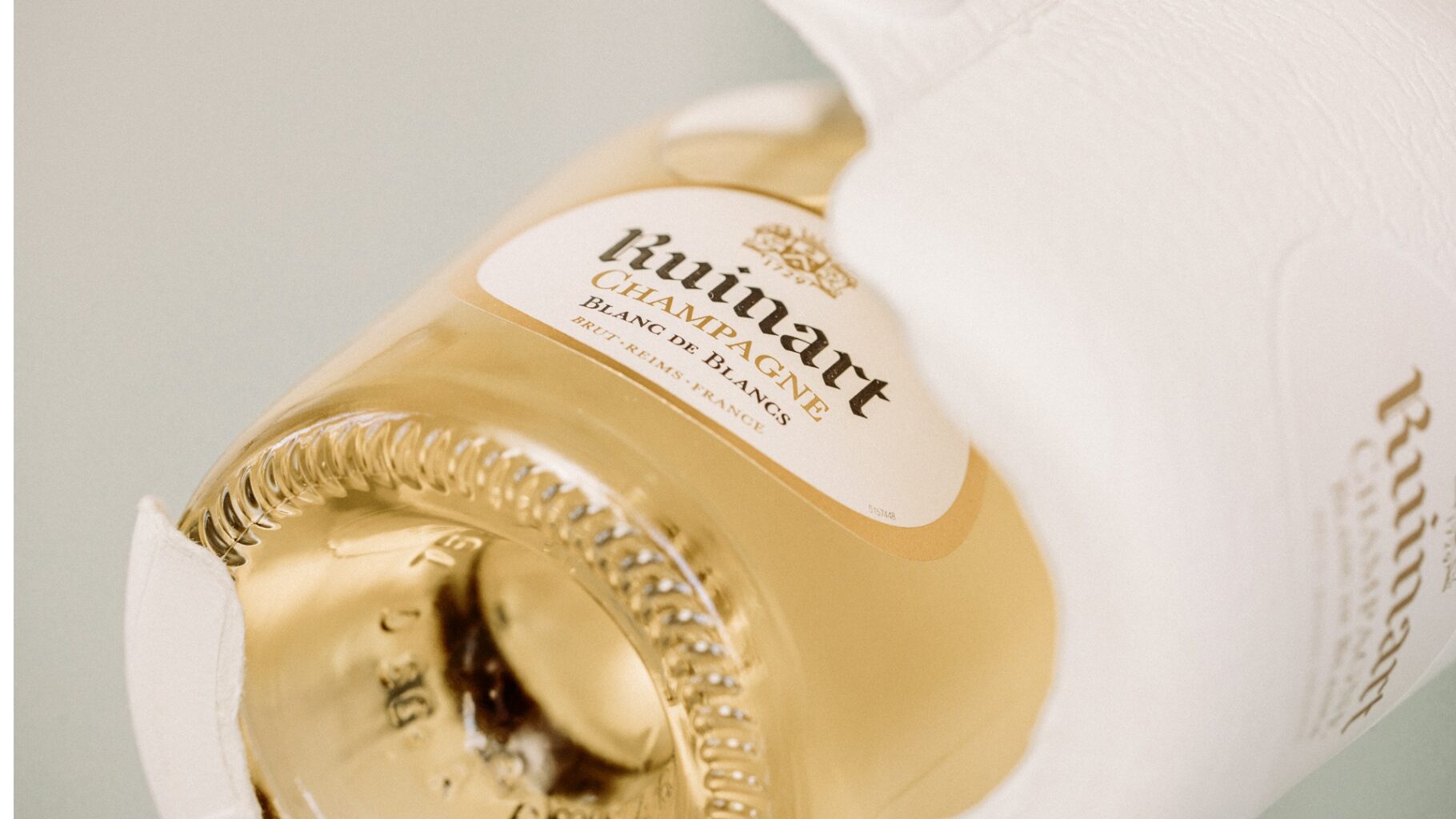
Specific examples of this in action include its work for the very first champagne house, Maison Ruinart, to create the award-winning ‘Second Skin’ and ‘Chalk Wrap’ moulded fibre champagne packaging.
This collaboration features 100% recyclable, thermoformed paper pulp casing produced by James Cropper COLOURFORM alongside packaging partner Pusterla 1880.
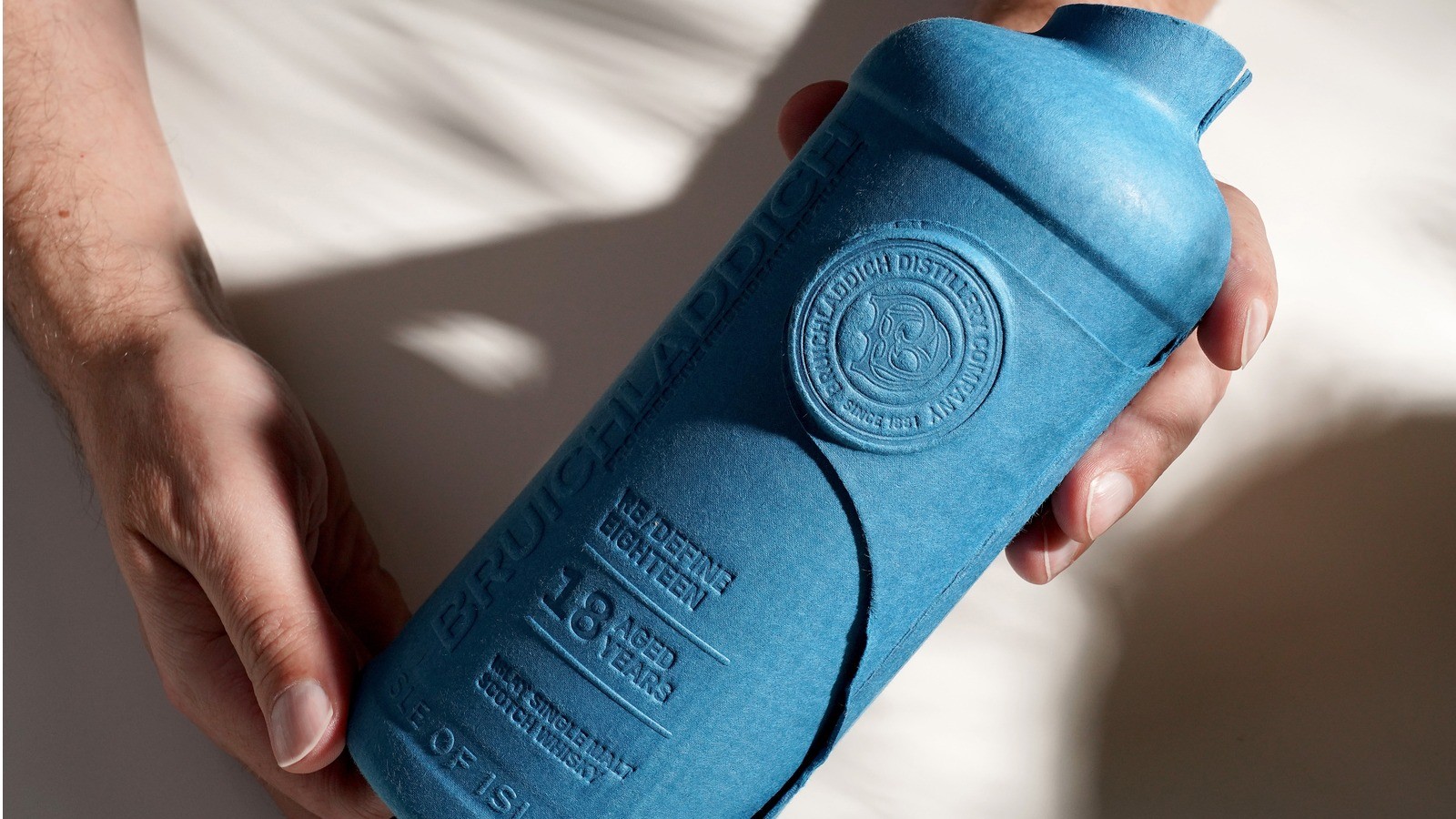
James Cropper has also worked with Islay single malt Scotch whisky brand Bruichladdich for a fully sustainable outer wrap. The coloured wrap for The Bruichladdich Eighteen and The Bruichladdich Thirty casks is the first of its kind in the whisky space. Made from fully recyclable paper pulp and molded to the shape of the Bruichladdich optimised, proprietary glass bottle, the wrap has unique emboss and deboss features and includes a branded, oversized custom clasp feature.
Using 100% fresh fibre, the wrap is significantly lighter than previous packaging solutions without compromising strength or integrity while significantly reducing Bruichladdich’s CO2 impact.
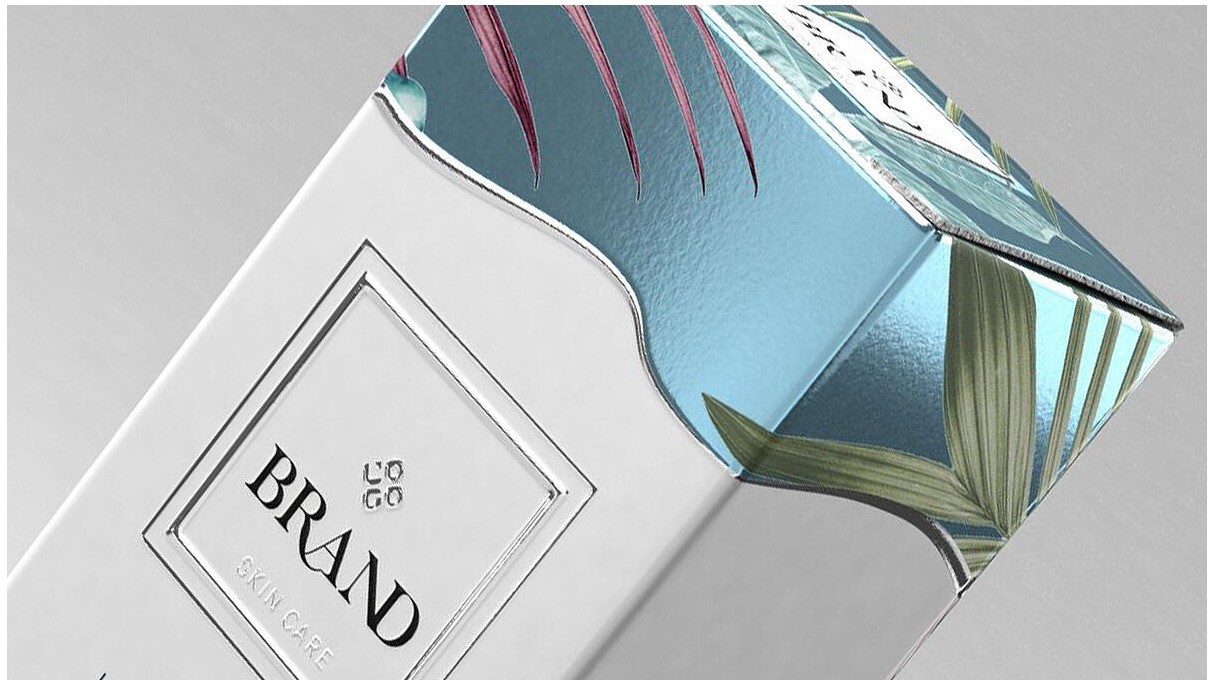
Developing lighter solutions has also been part of roadmap for surface finishing specialist Kurz (H20).
An important development has been the reduction of thickness of the transfer carrier for rolls of foil, from 12 micron to 6 micron. This has halved the amount of PET used in its decoration materials, while also requiring fewer roll changes, reducing downtime, and accelerating equipment set-up times. This results in finishes that excel in both sustainability and performance.
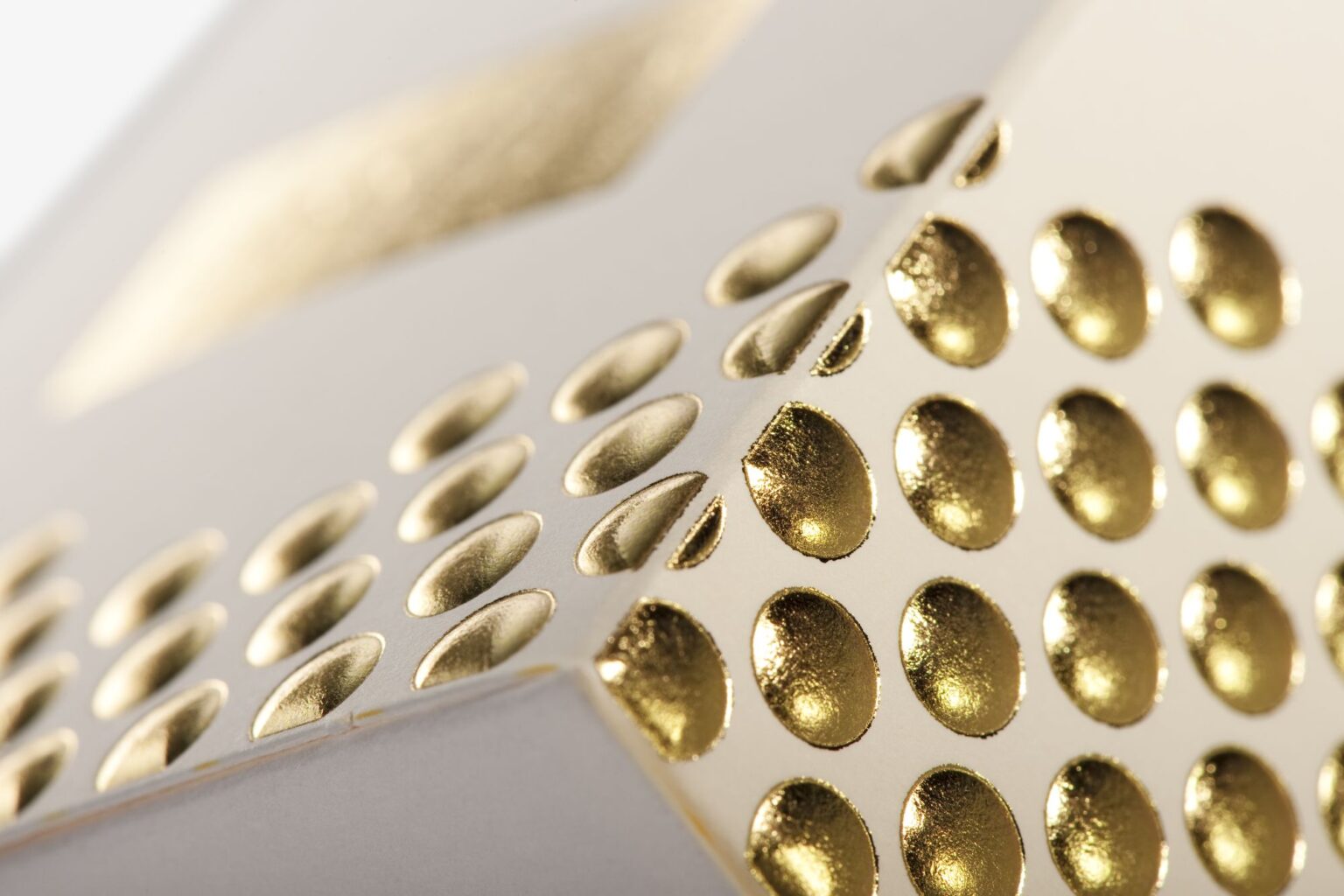
KPS slim 2.0 is a cold transfer foil for sheet-fed applications that benefits from the 50% transfer carrier reduction. It can be used at high speed to deliver extreme edge definition and offers exceptional design flexibility, taking a step big towards conserving resources and materials without compromising quality or lustre.
Croxsons (F90) is another working to reduce the weight of packaging used by fine and luxury brands through its Rightweight® range.
The 150-year-old, B-Corp certified family business supplies glass packaging for the food and drink sector. Rightweight® packaging has no excess weight or unnecessary material without losing strength, function, and shelf appeal.
By reducing the weight of glass packaging by as much as 30%, the Rightweight® range ensures bottles and jars are engineered to be as light as possible while still maintaining function. This in turn increases the recyclability of the packaging, minimises the amount of packaging waste going to landfill, and reduces EPR (Extended Producer Responsibility) costs.
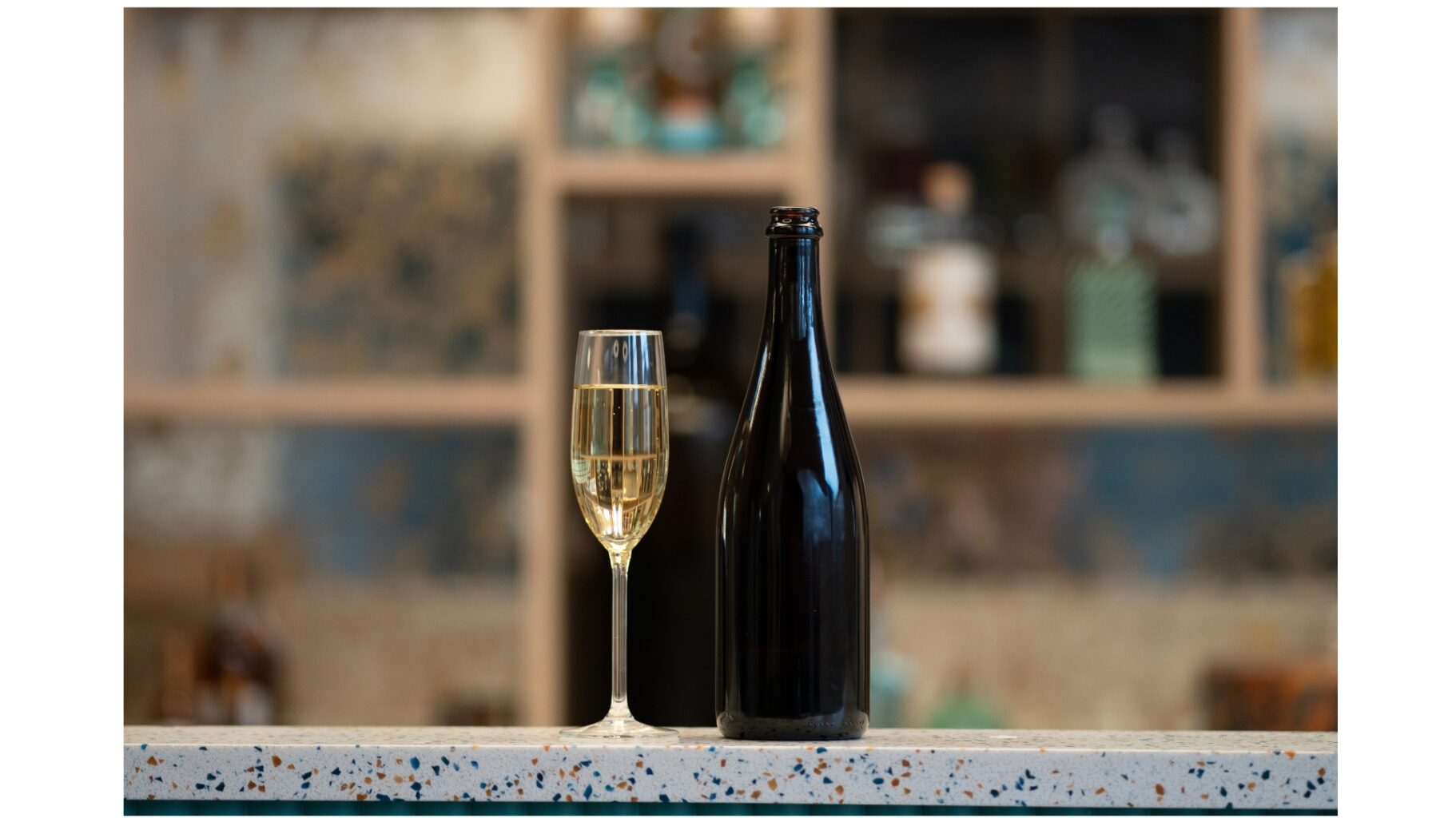
Another option for beverage brands conscious of their environmental footprint is Croxson’s Sovereign bottle, which uses 49% recycled content in its construction. As it is produced in the UK, the Sovereign bottle reduces road miles compared to bottles that are traditionally transported into the UK from France, Germany and Italy.
Rather than the traditional green colour of European sparkling wine bottles, Sovereign bottles are made using distinctive amber glass. This gives the bottle added shelf appeal and easily evidences provenance to consumers in a crowded market.
Advanced Track & Trace (K44) then steps in with a suite of authentication tools that allows vineyards and distilleries to take full control of the lifecycle of products, secure their provenance, and ensure consumers receive genuine products in the best possible condition.
Unit-level product identification is achieved through the company’s IDPackLine® traceability software and by attributing a serial number and a unique QR code to each product. This is applied to the label, cap, or glass directly to provide the highest level of security for bottles and highlight parallel markets and fraudulent practices.
Such tools empower consumers at the same time by giving them the ability to verify the origin and integrity of a product. This creates a sense of exclusivity while boosting consumer loyalty and confidence in a brand.
Another digital asset management tool available to fine foods and beverages manufacturers is Enseso’s (A62) sunrise2027.ai, a universal Digital Product Passport (DPP) platform that turns luxury packaging into a compliant, connected, and verifiable asset.
Built on a regulated GS1 identifier infrastructure and anchored by an eIDAS 2.0 Qualified Trust Service Provider, the platform gives every product a secure, item-level digital identity accessible through a single QR or digital link on pack.
This allows brands to achieve EU ESPR/DPP readiness, including product authentication and anti-counterfeit protection, material and sustainability transparency, and direct consumer engagement. As well as meeting upcoming DPP obligations, the platform creates a premium post-purchase experience.
These are a smattering of examples of packaging solutions available for fine food manufacturers and luxury beverage products.
To discover these and a host of other solutions, make sure you’re at London Packaging Week 2026. Secure your ticket for London Packaging Week 2026 here.
London Packaging Week 2026 takes place 16 & 17 September at Excel London.
Check out our socials
The latest packaging projects
London Packaging Week smashes attendance record with 16% growth in 2026
A record 6,688 unique visitors attended London Packaging Week 2026, as more than 230 exhibitors and over 110 speakers helped deliver the biggest edition in the event’s history.

Prada, Jack Daniel’s, Heinz and Hotel Chocolat among London Packaging Week Innovation Awards winners
From Formula 1-inspired luxury engineering and interactive launch packs to everyday usability and recyclable flexible packaging, the 2026 London Packaging Week Innovation Awards reveal how brands are turning packaging into a source of practical, commercial and consumer value.