
Nothing about us without us: Kevin Marshall of Microsoft on levelling up inclusive packaging with collaborative design

For many gamers, the controller is a symbol of everything they love about the hobby. It’s a route into any number of virtual worlds, empowering them to embark on unforgettable adventures, play a lead role in inspiring stories, and sharpen their mind with brain-teasing challenges and puzzles. But, for a significant subset of gamers – those with disabilities and limited mobility – the controller represents a barrier that blocks them from those same experiences.
This problem will sound familiar to many packaging professionals. Packaging that is designed to provide a joyful, exciting unboxing experience can quickly become frustrating and disheartening for someone living with mobility or visual impairments.
Kevin Marshall, Senior Director of Design, Packaging and Content at Microsoft, has a unique perspective on both worlds – a perspective he has used to help push inclusive packaging towards the top of the industry’s agenda. With inclusive design set to be a hot topic at London Packaging Week 2026, Kevin spoke about how packaging can be a driver of meaningful change for millions of people.
Playing the game
“In 2025, the average consumer had over 50 direct interactions with packaging every day,” Kevin says. “And one data point we’re in receipt of says it could be twice that – upwards of 100. Packaging is so ubiquitous that we sometimes forget what an incredible opportunity we have to be inclusive.
“And let’s remember, if we’re not purposefully being inclusive in our work, then we’re likely being inadvertently exclusive.”
Today, Kevin and his team have a clear sense of purpose when it comes to inclusive design – but it wasn’t always that way. “In the not-too-distant past, our success criteria didn’t really include accessibility,” he admits. “Instead, like many other companies, we focused on protecting our products, embodying our brand, curating the unboxing experience, construction quality, balancing business and cost requirements along the way, all of these things. And make no mistake, these things by themselves are a tall order.”
However, it was his experience with the Xbox brand – Microsoft’s gaming division, and one of the ‘big three’ gaming console manufacturers alongside Nintendo and Sony – that started to change this. “In 2017, the Xbox product team was hard at work addressing what they called a gaming mismatch,” he continues. “Their focus was on gamers with limited mobility. Our traditional controller wasn’t built with them in mind. It was a barrier to joyful gaming.”
While the Xbox controller design itself was acclaimed within the games industry, Kevin’s growing passion for inclusivity meant he could see that an alternative was needed to break down barriers for the millions of gamers with varying physical abilities.
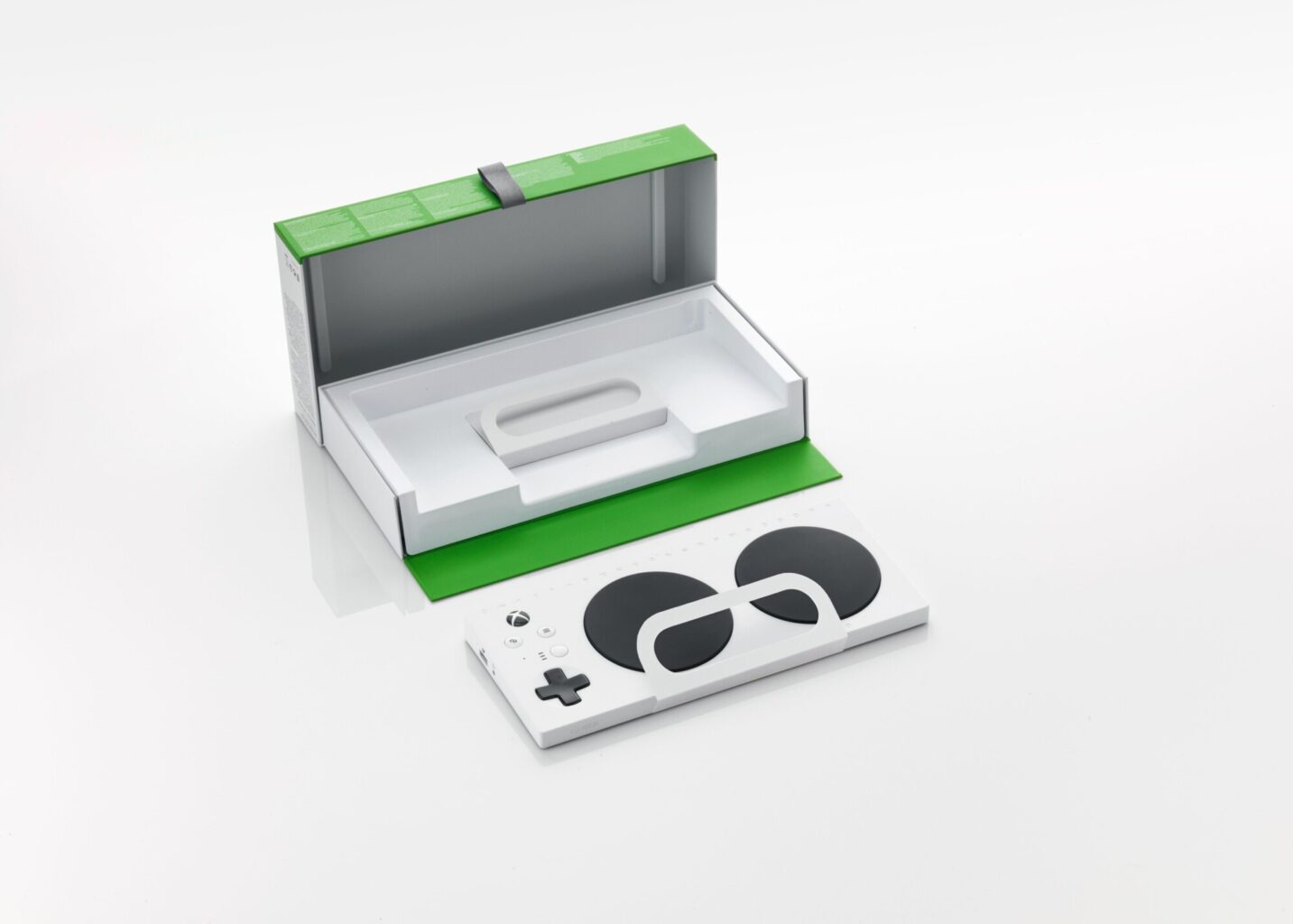
“We discovered principles that we didn’t know existed – ‘nothing about us without us’ and ‘designs for one extend to many’, to name two,” Kevin says. “And we engaged with this incredible community of people who helped us see our work through genuinely new eyes.” From that work, carried out in collaboration with disabled gamers, advocacy groups, and charities, the Xbox Adaptive Controller – a customisable controller that enables consumers to adapt the controller inputs and layout according to their unique needs – was born. “And because that product was unique,” he explains, “We decided it deserved a package that embodied the same level of mindfulness and attention to detail.”
A collaborative process
The same principles of innovation and inclusivity that led to the creation of the product had to be applied to its packaging. “We had to completely reinvent how we approached packaging design, and what a package could be,” Kevin says. “We upended our iterative processes to include inclusive design sprints. And the design we landed on was a watershed moment for our portfolio.”
The final design consists of two folding cartons – a shipper and a retail box – that unfold to reveal their contents. The hinged lid of the shipper is held securely with a tear strip, while the retail pack is secured with a break-the-seal label. Critically, every element uses loops to provide additional levers that benefit accessibility – including the quick start guide paper insert and cable folios.
“The real win in all of this is what that packaging meant to our customers,” Kevin continues. “It meant being acknowledged. It meant finally being included. And the reaction was immediate, emotional, and joyful. We heard from people who said they finally felt like we saw them. That resonated deeply with us and still does today.”
Pushing the boundaries
To Kevin, the success of the Adaptive Controller and its packaging design showed a clear route forward for the Xbox design team. “From that point forward, we decided to really lean in and build an operational foundation and a design culture around delivering inclusive experiences,” he says. “And in doing so, we launched a portfolio-wide initiative that prioritised accessibility. This didn’t happen all at once, but we established and integrated inclusive principles into our day-to-day activities, and they continue to evolve to this day.
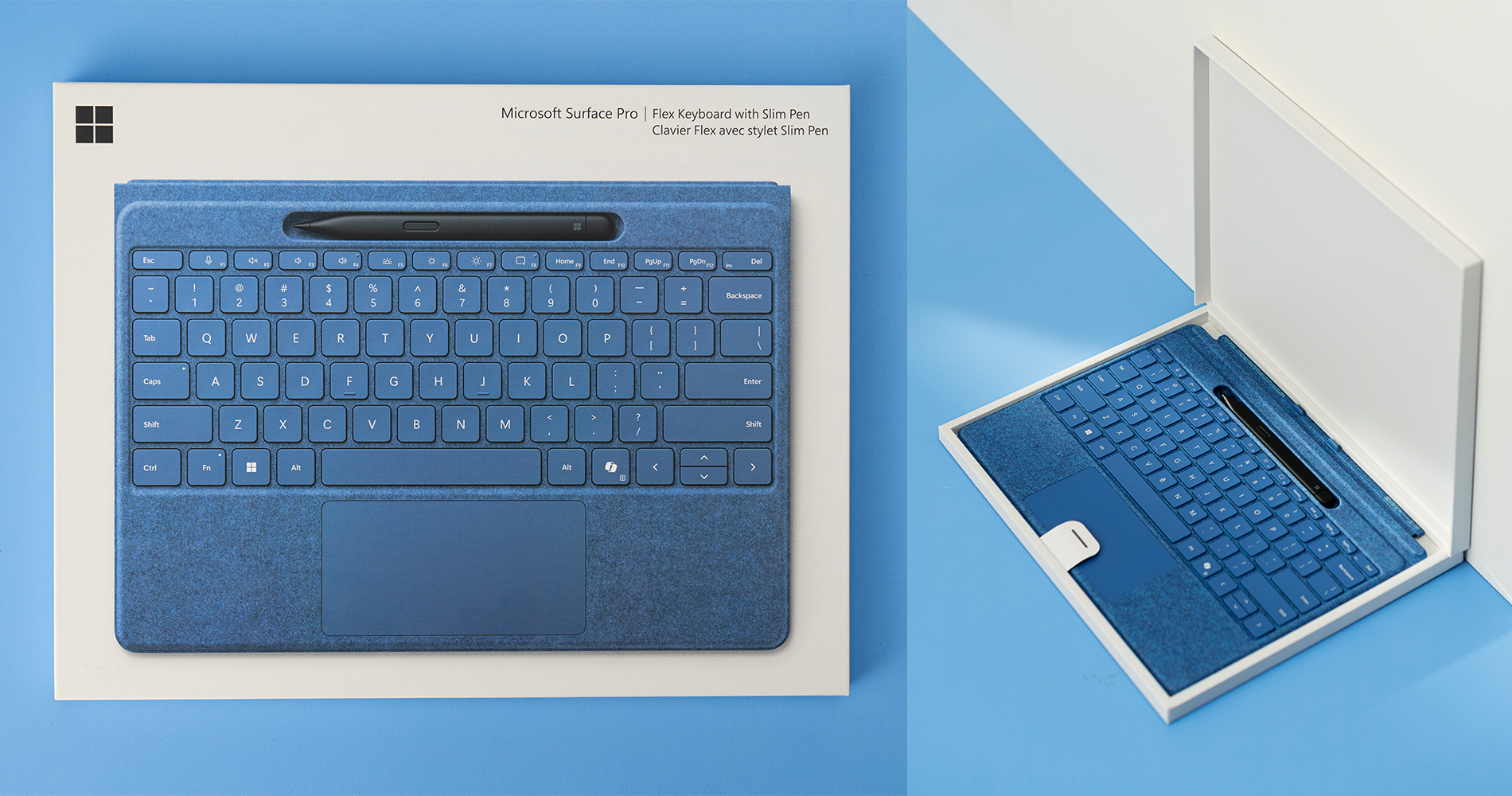
“We’ve continued to push the boundaries of what accessible packaging can be, for Microsoft anyhow, and for our product types, by being open to reinvention and asking what’s possible with every new product. Through constantly challenging our own assumptions, we’ve been reshaping our portfolio strategy one package at a time. You could even say one element at a time. I should mention that practicing inclusive design does not guarantee that your final design will be accessible, but when done deliberately and with curiosity, it’s the best chance you have to create equitable access for users of all abilities.”
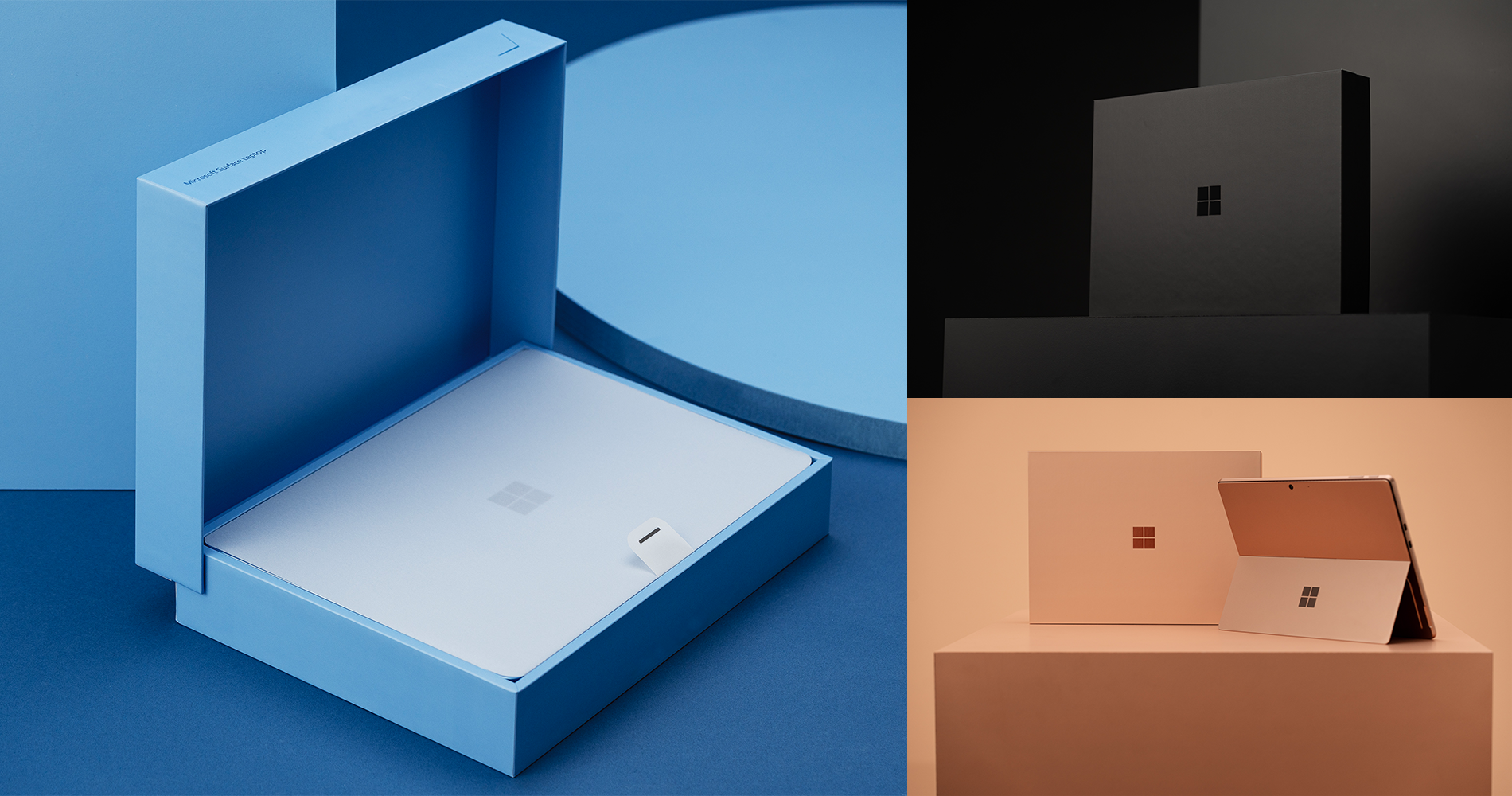
Fast forward to today – where has the journey that began in 2017 led? “We believe the sum total of our creative and inclusive learnings has culminated in several recent platform and product launches, specifically our complete redesign of the Surface packaging portfolio to usher in the era of AI-powered PCs,” Kevin adds. “Over the years, we have crafted a set of packaging-specific accessible design principles, and they act as our North Star, no matter what we’re trying to achieve, and were derived from much real-world community and user testing.
“And in our Surface redesign, you can see most of, if not all these principles coming to life across the portfolio in new and refined ways. Principles applied become a language, and hopefully a language that your customer can identify with. Or better still, as Nelson Mandela once said, ‘If you talk to a man in a language he understands, that goes to his head. If you talk to him in his language, that goes to his heart.’
“As long as you’re designing with your customer and not just for your customer, you stand a pretty good chance at doing something that resonates.”
An important question with no answers
The wider packaging industry is listening. With London Packaging Week just around the corner, the Excel London is once again set to fill up with packaging professionals from across the world – and inclusive packaging is set to be near the top of the agenda. For Kevin, increased awareness of accessibility at industry events is hugely positive.
“I’m thrilled to see it evolve,” he says. “The idea of designing inclusively and building more accessibility in packaging seems to be taking on greater prominence and presence in design thinking and package thinking. I just think it’s a very human way of connecting with our customers. It’s a great way of driving brand love. And to be honest with you, I think folks recognise that packaging is a very human thing. It’s a physical moment. It’s an embodied moment. So the more inclusive it can be, the more seamless and delightful and meaningful it is.”
For Kevin, this very human connection is the most valuable element of any pack design. He states, “Packaging is such a potent brand lever. It says so much about a brand, the way you design and build your packaging. Instead of focusing on the artefact only or the physicality of a packaging, always ask what it represents and what values it brings to the unboxing experience. That’s a really important part of our approach.
“We need the pack to perform, absolutely, but what kind of meaning can we build into the experience? I think that’s why inclusive design is such a fascinating and rewarding space and methodology to approach your craft with, because it puts you in a place that you wouldn’t naturally go and gives you the opportunity to embrace differences. Because differences are beautiful things if you exercise empathy and see yourself beyond yourself.
“Differences are an opportunity. And we shouldn’t take that opportunity for granted.”
In this sense, inclusive packaging isn’t just a process, it’s an exploration of new possibilities. It’s an open-ended question with no right or wrong answers – but it is one that will be asked by Kevin and many others on the show floor at London Packaging Week 2026. And, by being there, at the heart of the conversation, you can play your part in the next chapter of the accessibility adventure.
Join the industry leaders driving inclusive design at London Packaging Week 2026. Register your interest to connect with the brands, designers and innovators redefining what packaging can achieve.
Check out our socials
Lorem ipsum dolor sit amet, consectetur adipiscing elit Lorem ipsum dolor sit amet, consectetur adipiscing elit
The latest packaging projects
London Packaging Week smashes attendance record with 16% growth in 2026
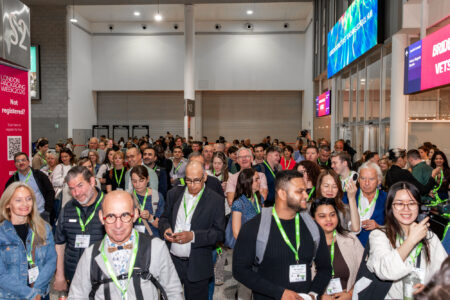
A record 6,688 unique visitors attended London Packaging Week 2026, as more than 230 exhibitors and over 110 speakers helped deliver the biggest edition in the event’s history.

Prada, Jack Daniel’s, Heinz and Hotel Chocolat among London Packaging Week Innovation Awards winners
From Formula 1-inspired luxury engineering and interactive launch packs to everyday usability and recyclable flexible packaging, the 2026 London Packaging Week Innovation Awards reveal how brands are turning packaging into a source of practical, commercial and consumer value.