
Amcor champions circular recycling in Danish food packaging initiative
Driving Circularity in Food Packaging
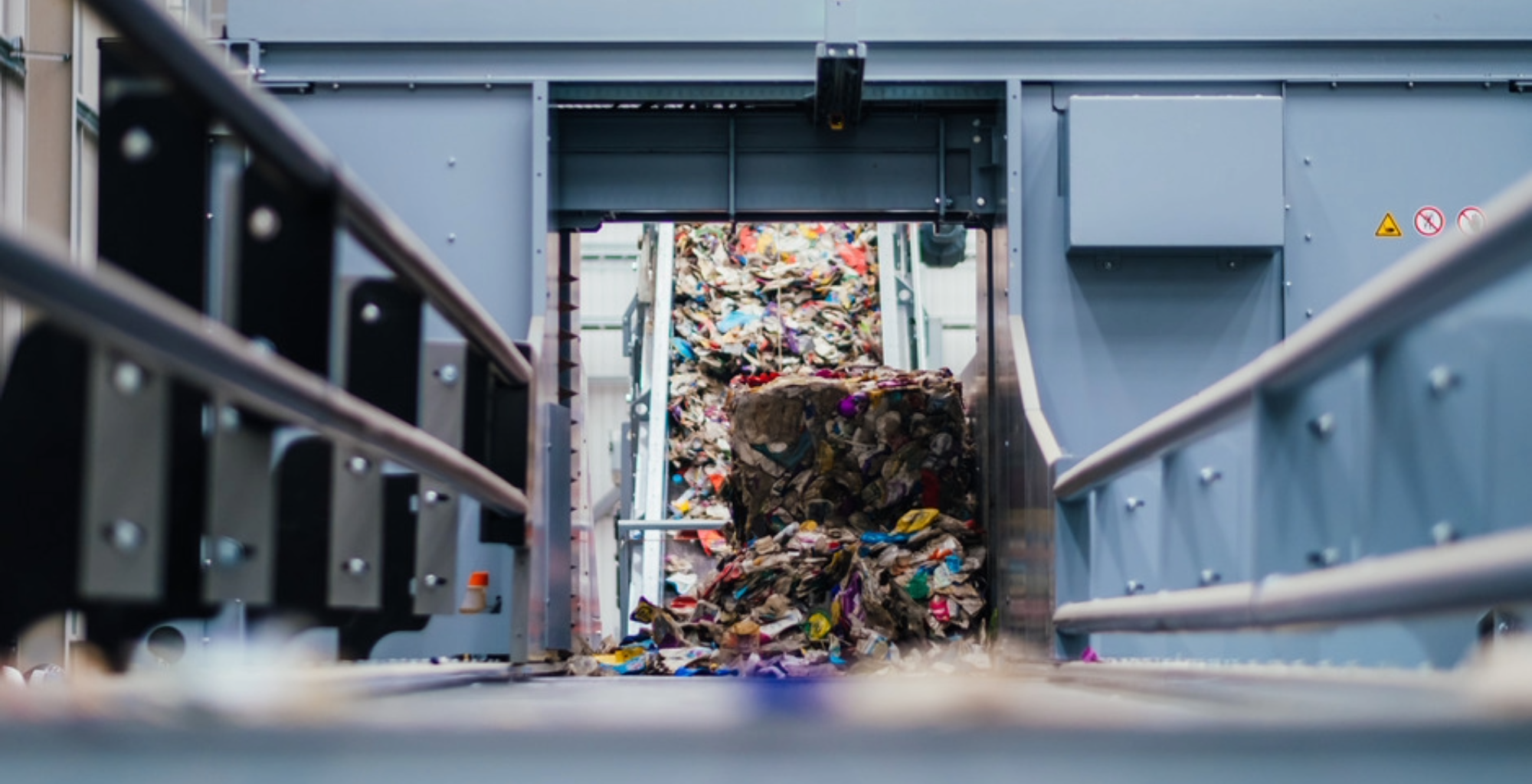
Global packaging innovator Amcor has taken a bold step towards a sustainable future by supporting a groundbreaking circular recycling project in Denmark. This initiative aims to close the loop on food packaging waste, ensuring that valuable materials remain in circulation rather than ending up in landfill.
Circularity is no longer a buzzword – it’s a necessity. With increasing pressure from regulators and consumers alike, the packaging industry is being challenged to rethink traditional models. Amcor’s involvement signals a strong commitment to collaborative innovation and environmental responsibility.
The Danish Model: A Blueprint for Europe
Denmark has long been recognised as a leader in sustainability, and this project exemplifies its forward-thinking approach. The programme focuses on creating infrastructure and systems that enable food packaging to be collected, sorted, and recycled efficiently. By leveraging advanced technologies and partnerships, the initiative aims to achieve high-quality recyclate suitable for new food-grade applications.
Amcor’s role is pivotal. By contributing expertise in material science and design for recyclability, the company is helping to ensure that packaging solutions meet both functional and environmental requirements.
Why Circularity Matters
Food packaging presents unique challenges in recycling due to contamination and mixed materials. Circular systems address these issues by prioritising mono-material designs and improving sorting processes. For brands, this means aligning with Extended Producer Responsibility (EPR) regulations and meeting consumer expectations for greener products.
“Collaboration is key,” says an Amcor spokesperson. “No single company can solve the recycling challenge alone. By working together, we can create scalable solutions that benefit the entire industry.”
The project comes at a critical time for the food and packaging industries. The EU is targeting a 55% plastic recycling rate by 2030, while the Packaging and Packaging Waste Regulation (PPWR) requires most plastic packaging to be designed for recyclability by the same year.
Check out our socials
Lorem ipsum dolor sit amet, consectetur adipiscing elit Lorem ipsum dolor sit amet, consectetur adipiscing elit
The latest packaging projects

Etia: Redefining beauty for everyone
Born from a lived experience of blindness, Etia will reimagine beauty packaging as elegant, tactile, and truly inclusive for everyone.

Movopack: The Italian start-up rewriting the rules of packaging – and winning hearts at London Packaging Week
Movopack, the Italian start-up redefining e-commerce packaging, wins hearts at London Packaging Week with a circular, reusable Packaging-as-a-Service system.