
Stylish, modern and accessible. Inclusive design is a smart commercial decision
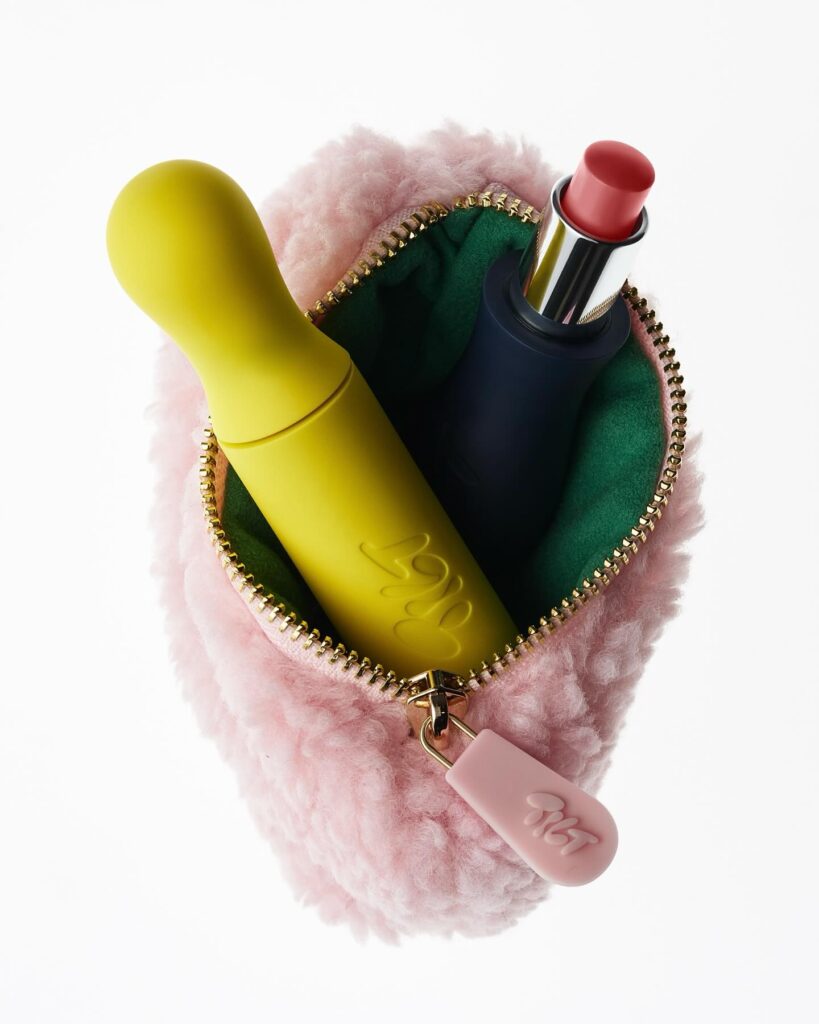
What use is packaging if it alienates a big portion of users? As some of the most forward-thinking brands in beauty, tech and beyond are discovering, designing with empathy and accessibility front of mind isn’t a constraint, but a competitive edge. Casey McHugh, Conference & Community Manager at Easyfairs, explains why.
You reach into your bag for your lipstick, except you can’t see which one it is. You try to open a new skincare product, but the seal requires a grip strength you no longer have. You scan a QR code for product information, but it’s positioned where you’d never think to look for it. For millions of global consumers, this is the day-to-day reality of packaging.
More than 1.3 billion people worldwide live with some form of disability, so even putting aside ethical impetus, the commercial logic of inclusive design is hard to ignore. As Daphne Mavroudi-Chocholi, Managing Director of RNIB Enterprises, points out, “83% of disabilities are acquired”, meaning any one of us could one day depend on better-designed packaging, so the argument becomes even more urgent. “When we design with accessibility front of mind,” she says, “we build better products, better packs, and better experiences for everyone.”
That word, everyone, is central to the conversation. The most compelling argument for inclusive packaging isn’t purely altruistic; it’s that designing for accessibility tends to make products better for all users. It pushes designers to interrogate assumptions, strip back complexity, and find solutions that are intuitive and tactile, rather than simply visual. The result is packaging that works harder and reaches further.
The numbers alone should give any brand strategist pause for thought. Disabled consumers in the UK alone represent a spending power of over £274 billion annually; a figure that rises dramatically when you account for the friends, families, and carers who make purchasing decisions with, or on behalf of, a loved one. Yet a significant proportion of that spend is routinely lost to packaging that is simply too difficult, too confusing, or too alienating to navigate. This isn’t a niche problem with a niche solution; it’s a mainstream commercial gap hiding in plain sight.

Accessible packaging is not a zero-sum game in which a gain for one consumer group means a compromise for another. The tactile finish that helps a visually impaired consumer identify a product also elevates the premium feel for everyone else. The easy-open mechanism designed for someone with limited dexterity is welcomed by anyone who has ever wrestled with a seal at the end of a long day. Designing inclusively, done well, doesn’t dilute the experience. It deepens it.
Kevin Marshall, Senior Director of Design, Packaging and Content at Microsoft, knows this from experience. His team’s work on the Xbox Adaptive Controller, a product designed in close collaboration with disabled gamers, led to a complete rethink of how Microsoft approaches packaging across its entire portfolio. “If we’re not purposefully being inclusive in our work,” he says, “then we’re likely being inadvertently exclusive.” That shift in mindset has since shaped Microsoft’s Surface portfolio redesign, with accessibility principles now embedded into every stage of the design process.
What Kevin describes, the move from exclusion by default to inclusion by design, mirrors the journey being taken by a new generation of founders building accessibility into their brands from day one. Lucy Edwards, creator of Etia London and one of the most distinctive voices in inclusive beauty, launched her brand with packaging at its very heart. After losing her sight at 17, Lucy brings a lived understanding of what the industry consistently gets wrong. “Packaging for my brand is the thing that we focus on the most,” she has said. “How can we make packs aesthetic, but not only that, universally designed for everybody?”
Her approach is tactile, modular, and sensory-led. It draws inspiration from technology, particularly the iPhone’s toggle-based accessibility features. It’s a model for how packaging might begin to adapt to its user rather than demanding the user adapt to it. The audience for that kind of thinking is larger than brands might realise. As Lucy notes, the wave of change in the beauty industry is being driven by creators and consumers “from all different subsections of society who are demanding different things from their packaging like never before.”
Aerin Glazer, founder of Tilt Beauty, came to a similar conclusion through her work with the Arthritis Foundation and community focus groups, building products specifically for people with limited dexterity. “When you design things for everybody, everybody wins,” she says, in a maxim that sounds simple but demands a genuine shift in how brands approach the design brief. Aerin’s route to that insight was not an easy one, but it was grounded in direct engagement with the communities being designed for: listening, testing, and iterating in response to real lived experience.

That emphasis on co-design and community engagement is a consistent thread. Daphne is emphatic on this point, warning that true accessibility cannot be retrofitted to an existing solution. “It’s extremely expensive when you’re trying to implement accessibility as an afterthought,” she notes. “There is no cheat-sheet on what it feels like to have age-related macular degeneration. Packaging designers need to involve individuals with lived experience and really listen to them.”
The brands doing this work are discovering that inclusion doesn’t constrain creativity, it expands it. Kevin perhaps puts it best: “Inclusive design puts you in a place that you wouldn’t naturally go and gives you the opportunity to embrace differences. Because differences are beautiful things if you exercise empathy and see yourself beyond yourself.”
Since the beginning, good packaging design has always been about empathy. Understanding who is on the other side of the experience and designing accordingly. Inclusive design doesn’t change that brief at all; it simply insists that the answer to “who?” should be everyone.
London Packaging Week brings together the people shaping what packaging becomes next, from brands and designers to innovators driving growth, unifying the narrative, and elevating the industry. It is where strategy meets creativity, and where the full packaging ecosystem from R&D to retail connects through insight-led content, real-world challenges, and a shared ambition to move the industry forward.
By bringing emerging industry forces to life, from inclusive design and tactile intelligence to connected packaging and invisible sustainability, it transforms ideas into visibility and visibility into commercial impact, creating a space where brands can compete more effectively, designers can influence direction, and innovation can be seen, understood, and applied across the value chain.
Join us on 16 & 17 September 2026 at Halls S2 & S3, Excel London, and register your interest today.
Check out our socials
Lorem ipsum dolor sit amet, consectetur adipiscing elit Lorem ipsum dolor sit amet, consectetur adipiscing elit
The latest packaging projects

Bravery, trust, and the art of award-winning packaging
Behind every celebrated pack lies a challenging journey. The Hendrick’s Gin Whimsical Watering Can, a winner at the London Packaging Week Innovation Awards, proves that when brands dare to be brave, the results can be extraordinary.

Industry leaders join Innovation Awards 2026 judging panel at London Packaging Week
London Packaging Week welcomes a new group of industry-leading judges for the 2026 Innovation Awards, setting the stage for the year’s most creative and sustainable packaging entries