
How packaging laws are reshaping premium experiences
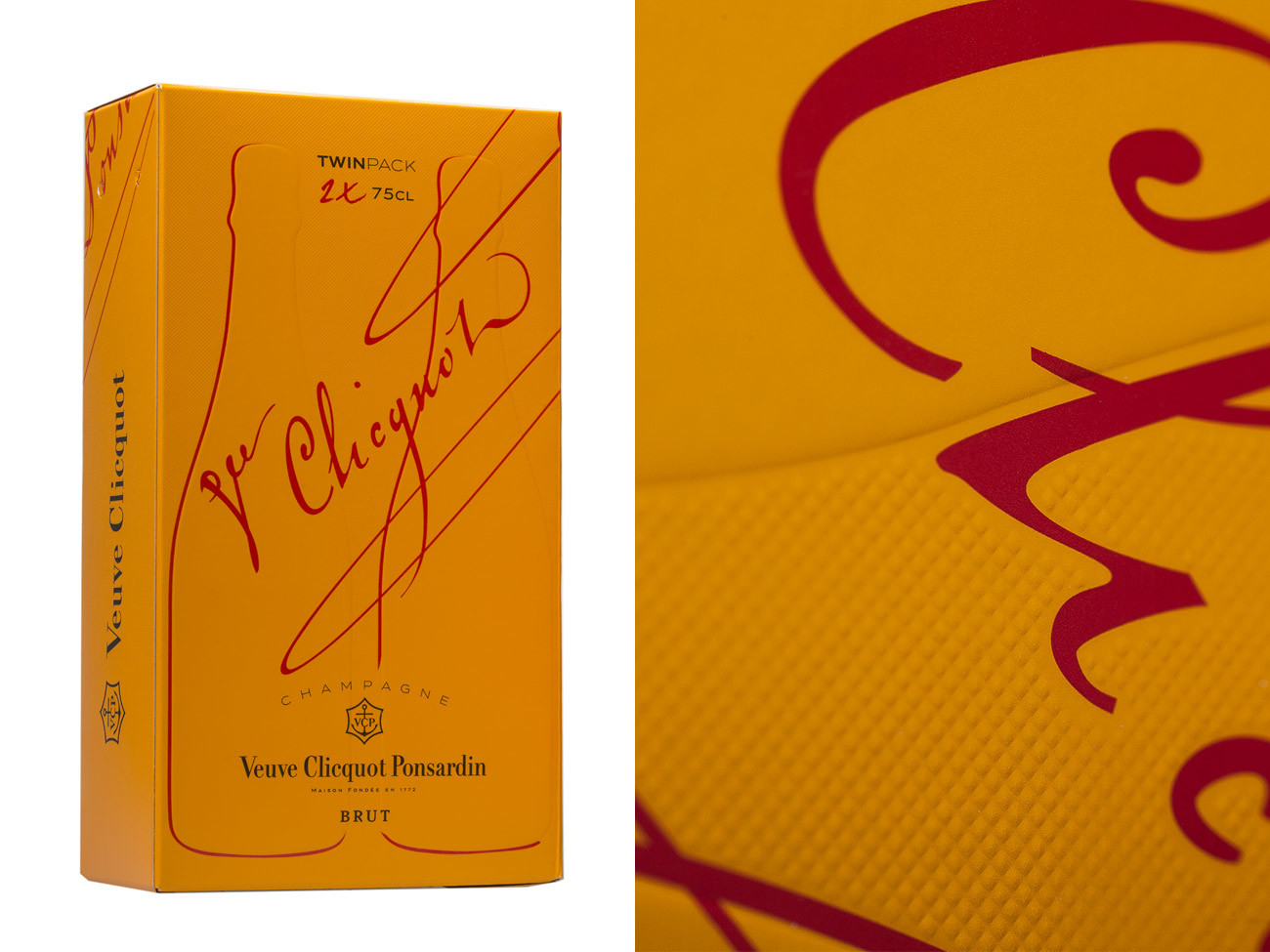
Step into any high-end boutique or unbox the latest luxury product, and one thing becomes immediately clear: packaging lies at the very heart of the premium experience. For decades, the most prestigious brands have used intricate designs, tactile finishes, and carefully crafted narratives to enhance every customer interaction, promising something truly extraordinary.
Yet, luxury packaging is now navigating a profound transformation. Rapid changes in packaging laws and sustainability regulations are reshaping how brands create, source, and deliver packaging. Governments across Europe, the UK, and beyond are enacting sweeping legislation aimed at reducing packaging waste, cutting carbon emissions, and driving circular economies. These shifts fundamentally alter the operating landscape for luxury brands, presenting them with a unique challenge: how to uphold the sense of elevated experience that defines premium products while complying with increasingly stringent environmental mandates. Events like London Packaging Week provide a vital platform for connecting with leading brands, sharing innovations, and shaping the future of luxury packaging.
“Evolving packaging laws like Extended Producer Responsibility (EPR) and the EU’s Packaging and Packaging Waste Regulation (PPWR) are fundamentally reshaping how luxury packaging is approached, shifting the focus from indulgence to intentionality,” explains Gillian Garside-Wight, Director of Consulting at packaging sustainability consultancy Aura. “Under the new PPWR, which came into force in February 2025 and will apply across all EU Member States from August 2026, all packaging must be designed for recyclability by 2030.” These laws aim to embed sustainability at every stage of the packaging lifecycle, from design to disposal, and represent a significant step towards achieving circularity.

Nicola Gordon, Sales & Marketing Manager at Autajon, echoes this shift in mindset: “These regulations have prompted a fundamental shift in how we view design—not just aesthetically, but systemically. EPR and PPWR are driving much-needed accountability across the value chain, and for us, that means designing packaging that’s beautiful, functional, and responsible from day one. We now consider recyclability, material traceability, and ease of disassembly as integral to the creative process, not limitations, but design inputs. It’s pushing innovation and collaboration forward in exciting ways.”
Stephen Richmond, Senior Account & ESG Lead at Hunter Luxury, agrees: “These are accelerating the need for sustainability and circularity to be considered from the very earliest stages of concept development. For packaging suppliers like us, this means designing with disassembly in mind, eliminating materials that hinder recyclability, and selecting materials where traceable sourcing data (e.g. FSC-certified board, verified recycled content) can be transparently shared with clients.”
While regulations set the framework, it is how brands interpret and leverage these changes that will determine their success. Amy Nelson-Bennett, CEO of Positive Luxury, highlights the commercial opportunity embedded in these challenges. She says, “We not only support luxury companies to help them understand and get ahead of the evolving legislation landscape, but we actively work with them to make it work to their advantage. We believe there is commercial value and competitive advantage in getting ahead of compliance if you look beyond the short-term.” Nelson-Bennett acknowledges that while the introduction of EPR and PPWR will certainly accelerate luxury businesses’ thinking, “one of the biggest challenges that we find facing luxury companies is how to balance legislation compliance, consumer expectations and luxury aesthetics.” Those companies that adopt innovative materials and collaborate closely with their suppliers will gain a leadership position, she claims while the packaging supply chain has the biggest opportunity to “embrace the creative challenge and think with sustainability in mind from design to materials, as well as circularity with consumers in mind.”
Gordon also highlights the evolving definition of luxury consumers today: “They’re more conscious, more curious, and more values-driven than ever. The definition of luxury is evolving—from status to substance. Authenticity, sustainability, and craftsmanship are now just as important as aesthetics. A beautiful box that’s over-engineered and non-recyclable is increasingly seen as tone-deaf. Luxury today means thoughtful, purposeful, and responsible – and that’s a wonderful challenge for designers and brands alike.”
Richmond expands on this idea: “It requires more creativity and precision in material selection and design detailing. Luxury consumers respond to narrative, texture, and craft. That’s why we prioritise materials that resonate with the brand’s story and invest in haptic experiences – the tactile feel of textured board, soft-touch finishes, and engineered closures ensure sustainable packaging still delivers the sensory richness that defines luxury.”

The next chapter
These shifting business priorities directly influence design innovation. As Garside-Wight explains, luxury packaging design is evolving accordingly. “The future of premium packaging is less about opulence, more about meaning and individual expression, with a focus on storytelling, digital enhancement, and a lighter environmental footprint.” This shift encourages brands to explore new materials and rethink traditional embellishments, laminates, and mixed substrates, all while ensuring packaging can be responsibly recycled or reused.
Gordon adds to this perspective on material innovation: “We’re seeing major breakthroughs in plastic-free barrier technologies such as our ENVIRACOAT, mono-material constructions, and recyclable metallisation materials such as our ENVIRAMET. One exciting area is moulded pulp with fine detailing—perfect for inner trays that feel premium without compromising recyclability. We’re also working with innovative foils and inks that deliver high visual impact while being compliant with sorting and recycling systems. And crucially, digital prototyping and lifecycle analysis tools are helping us validate our ideas early, so that creativity and compliance evolve hand-in-hand.”
While innovation drives sustainability, Hoe reminds us that luxury is also deeply sensory and emotional. Claire Hoe, Design Director UK at Sun Branding, highlights the sensorial aspects of premium packaging. She says, “In many ways, it (packaging) can do it better. It can do this by enhancing and elevating both the aesthetic and environmental value. Luxury is about how something makes you feel – a personal and immersive experience. From the weight of the box, the texture of the paper, to the sound of the unseal, all play a part in revealing a brand story – these are all emotional cues, connecting consumers with a feel-good purpose.”
Hoe describes how innovation in sustainable materials is enabling brands to evoke these feelings authentically. “We’re finding new ways to evoke those feelings with innovation in sustainable materials. Recycled cotton papers, mushroom-based foams, and plant-based inks can be just as sensorial and far more meaningful.”
She also highlights the changing consumer mindset. “They’ve evolved dramatically. Today’s luxury consumer is looking for alignment between their values and their purchases. They are still seeking beauty, but they also desire purpose and individuality. Packaging is no longer just a wrapper – it’s a statement. It tells them who you are as a brand. If it feels excessive or wasteful, it breaks the spell. But if it feels thoughtful, intentional, and aligned with a bigger mission, it builds trust and loyalty. That’s the new luxury: conscious, crafted, and connected.”
Gordon supports this, reinforcing how sustainability can deepen the sensory experience: “It invites deeper storytelling and connection. The feel of a subtly textured FSC-certified board, the recyclable foiled embossing, the elegance of a well-thought-out plastic-free closure—all of these can enhance a consumer’s emotional experience. We’ve found that thoughtful sustainable touches often amplify the sense of care, craftsmanship, and exclusivity and show the consumer that the brand cares about both sustainability and luxury.”

Intelligent, intentional, and immersive
Hoe elaborates on this shift, noting that the future packaging “is going to be more immersive, more intelligent, and more intentional. We’ll see packaging that adapts to the consumer – personalised, informative, and digitally enhanced. However, it will also be quieter in its luxury, less about opulence and more about meaning and individual expression. The future is about creating packaging that tells a story, sparks emotion and connection, and leaves a lighter footprint. It’s about designing not just for the moment of unboxing, but for the lasting memory it creates.”
Balancing sensory appeal with commercial and regulatory demands remains a complex task, as Garside-Wight explains. She notes that EPR schemes create new financial and operational responsibilities for producers. “These are not just sustainability goals, but commercial imperatives,” she says. “For luxury brands, this means rethinking traditional embellishments, laminates, and mixed substrates in favour of solutions that meet both regulatory and consumer expectations.”
These material shifts create openings for innovation throughout the supply chain, especially for packaging suppliers, as Nelson-Bennett observes. She points out that “the biggest opportunity remains with packaging suppliers to embrace the creative challenge and think with sustainability in mind from design to materials, as well as circularity with consumers in mind”.
Alongside materials innovation, digital technology is reshaping how brands connect with consumers. Garside-Wight highlights that luxury packaging is becoming more interactive and emotionally rich through the use of digital tools, such as QR codes and smart labels. “These features extend the brand experience beyond the physical pack, allowing consumers to unlock stories about the product, its maker, and its journey. This innovation supports transparency and builds trust, aligning with both creative aspirations and regulatory expectations around traceability.”
Hoe’s vision is echoed in real-world innovations, as Nelson-Bennett shares examples from Positive Luxury’s Real Changemaker community and Good Supplier Programme. She points to mushroom-based packaging from Zenpack, biotechnology creating new textiles from Modern Synthesis, bamboo-based packaging by Zone Creations, and regenerative materials from Notpla. Nelson-Bennett notes, “these innovations provide the luxury unboxing experience with less impact on nature and people. Additionally, AI’s advancement helps brands source sustainable alternatives with greater ease.”
Looking further ahead, Garside-Wight draws on Aura’s proprietary research on Future Scenarios 2050, noting the rise of “quiet design” and “low-impact luxury” as defining trends. “Consumers are increasingly drawn to packaging that feels authentic, purposeful, and aligned with their values, especially around environmental impact.”
Luxury packaging is also adapting to lifestyle changes. Hybrid working, wellness-focused living, and evolving consumer habits influence packaging design, making it more adaptable, inclusive, and user-centric. “The future of premium packaging is being redefined by a convergence of sustainability, sensory storytelling, and smart technology,” Garside-Wight concludes. “It will be lighter, smarter, and more inclusive, designed not just to delight, but to endure.”
Stephen Richmond agrees: “It’s circular, data-driven, and emotionally intelligent but crucially, it won’t lose its emotive edge. I expect there to remain plenty of emphasis on tactility, storytelling, and personalisation – the challenge for companies like ours, will be to bring innovative materials and design concepts to the market, that have their sustainability credentials verified via data-driven methods, and that are in line with evolving legislation.”
With transformative shifts underway, London Packaging Week 2025 provides a vital platform to explore emerging trends and cutting-edge innovations. Taking place on 15 & 16 October at Excel London, the event will gather over 5,000 industry professionals across four co-located exhibitions: Packaging Première, PCD, PLD, and Food & Consumer Pack, each offering focused insights tailored to the luxury products, beauty, premium drinks, and food packaging sectors.
As evolving packaging laws redefine what premium means, this event serves as a key opportunity for brands, designers, and suppliers to learn, connect, and drive progress. For luxury brands, embracing sustainability and innovation has become essential for success in today’s rapidly changing market.
Check out our socials
Lorem ipsum dolor sit amet, consectetur adipiscing elit Lorem ipsum dolor sit amet, consectetur adipiscing elit
The latest packaging projects

From intention to impact: Designing emotion into luxury packaging
Vincent Villéger reflects on the growing role of intentionality in luxury packaging design, and how precision, psychology, and brand clarity are shaping a more considered creative landscape.
Stylish, modern and accessible. Inclusive design is a smart commercial decision
What use is packaging if it alienates a big portion of users? As some of the most forward-thinking brands in beauty, tech and beyond are discovering, designing with empathy and accessibility front of mind isn’t a constraint, but a competitive edge. Casey McHugh, Conference & Community Manager at Easyfairs, explains why.