

Advent calendars: Festive favourite or sustainability challenge?

The Seasonal Dilemma

Advent calendars have become a cherished holiday tradition, but their environmental footprint is under scrutiny. With millions sold each year, the question arises: are these festive favourites driving packaging waste – or overcoming it?

Traditionally, advent calendars combine cardboard, plastic trays, and foil, making recycling complex. However, the industry is responding with creative solutions that balance sustainability with consumer appeal.

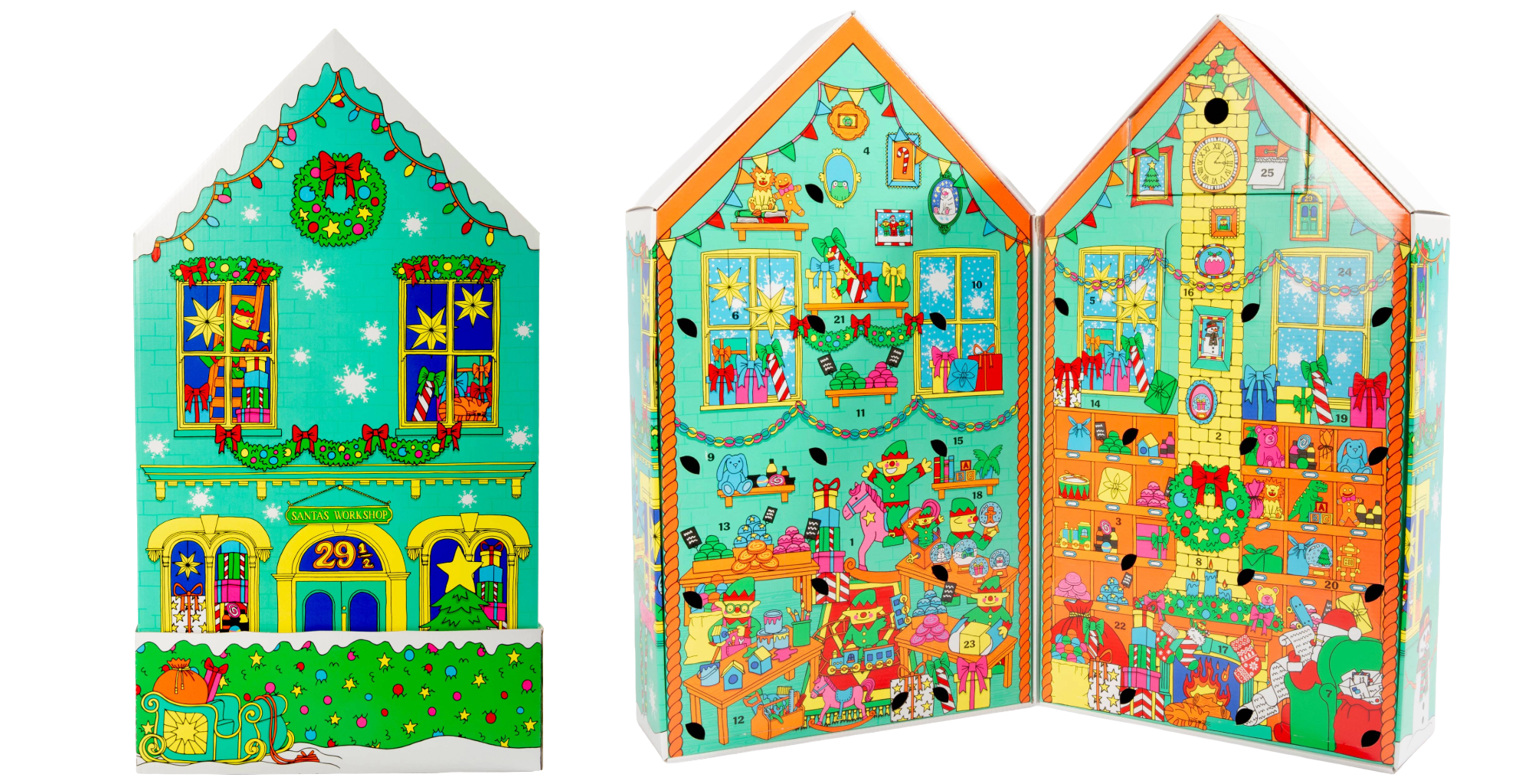
Lush offers refillable calendars made from recycled board fibres, encouraging consumers to “reuse, regift, or recycle.”

Innovation in Materials

Recent developments show a clear shift towards mono-material designs and FSC-certified boards. Brands like Lumene and Milka are leading the charge with calendars that prioritise recyclability without compromising aesthetics. For example, Lumene’s Nordic Beauty Secrets calendar uses folding boxboard that can be recycled in standard paper streams, while Milka employs water-based varnishes to maintain visual appeal.

Reusable formats are also gaining traction. Lush offers refillable calendars made from recycled board fibres, encouraging consumers to “reuse, regift, or recycle.” Similarly, John Lewis promotes calendars designed for multiple years of use, reducing single-season waste.

Design Meets Sustainability

Beyond materials, structural innovation is transforming the advent calendar experience. Award-winning designs now incorporate modular compartments, puzzle-like layouts, and even interactive features. These approaches not only enhance consumer engagement but also optimise space, reducing excess packaging and carbon emissions.

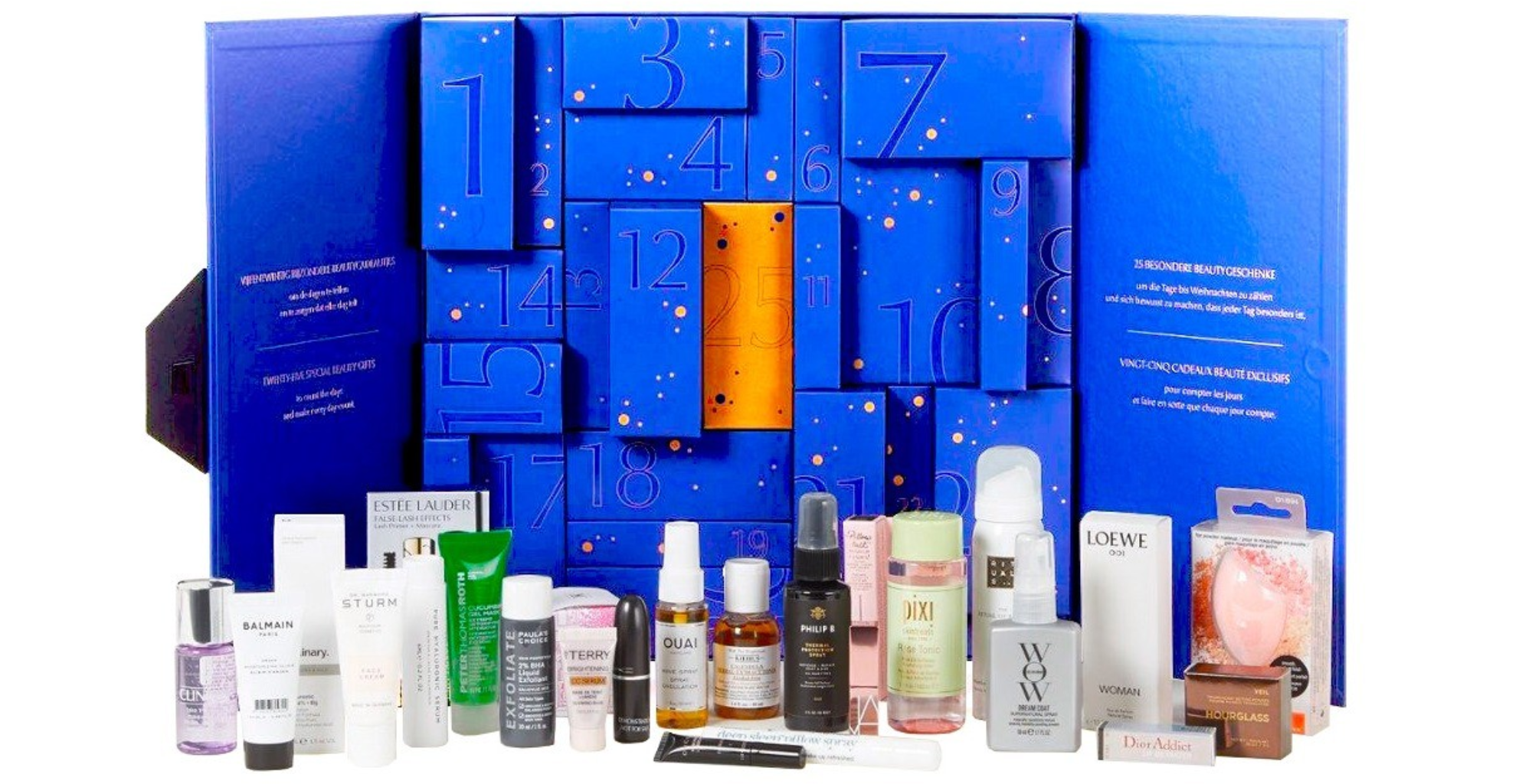
Yet, as calendars expand to include beauty products, craft beers, and luxury items, concerns about unnecessary packaging persist. Non-edible products often require additional containers – bottles, jars, and dispensers – that add to the waste stream.

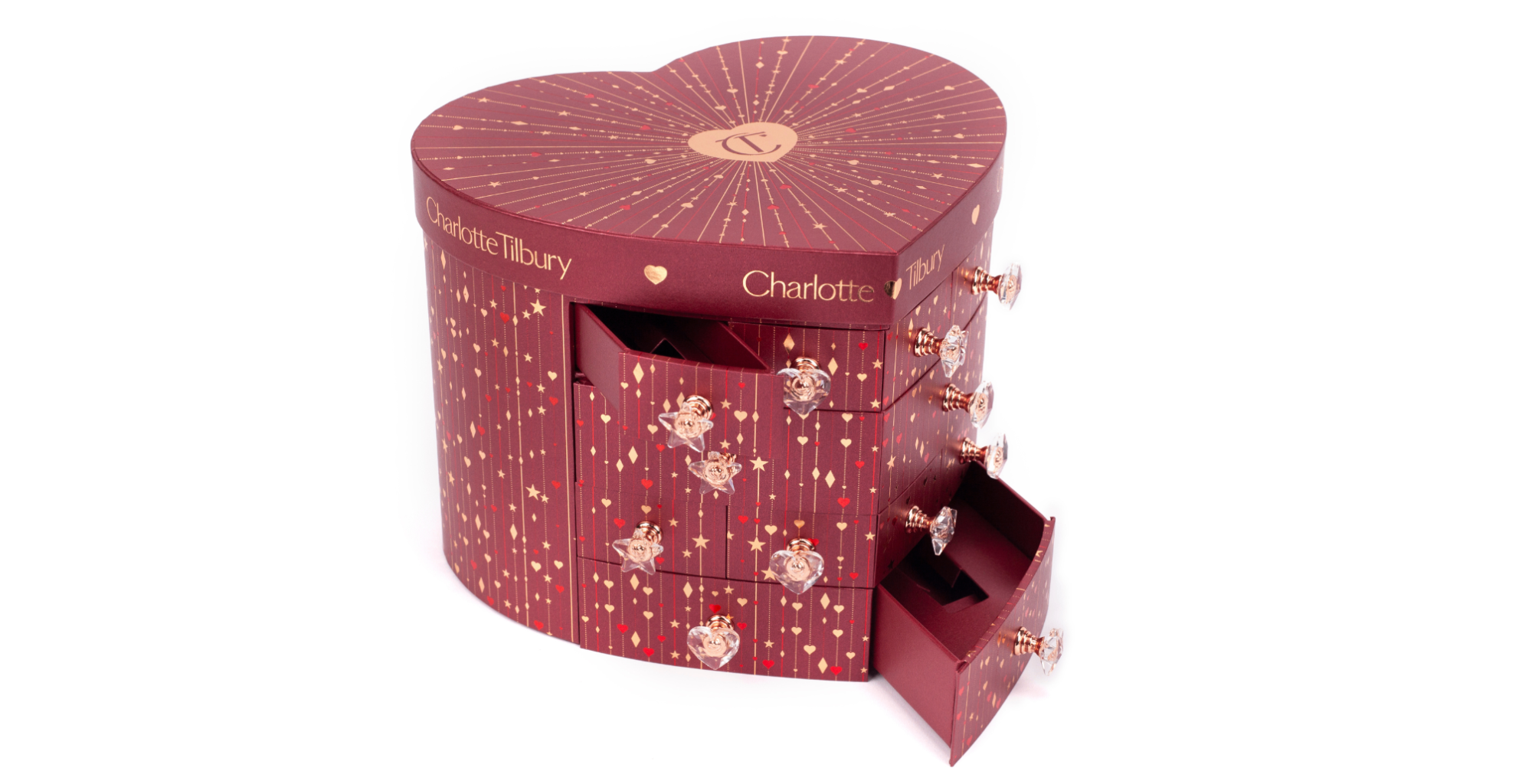
Charlotte Tilbury Advent Calendar

Consumer Behaviour and Market Trends

Research by Ipsos reveals that while chocolate calendars dominate the market, beauty calendars are rapidly growing in popularity among younger demographics. This trend underscores the need for brands to balance luxury with responsibility. According to the British Beauty Council, 95% of cosmetics packaging is discarded, with only a fraction recycled – a stark reminder of the challenges ahead.

Industry experts warn against “superfluous consumerism,” urging brands to design calendars that offer genuine value and minimise environmental impact. As one sustainability advocate notes, “A box should be for life, not just for Christmas.”

The Road Ahead

The advent calendar debate reflects a broader conversation about seasonal packaging. Can innovation and tradition coexist? The answer lies in continued collaboration between designers, brands, and recyclers.

Check out our socials

Lorem ipsum dolor sit amet, consectetur adipiscing elit Lorem ipsum dolor sit amet, consectetur adipiscing elit

The latest packaging projects