
Etia: Redefining beauty for everyone
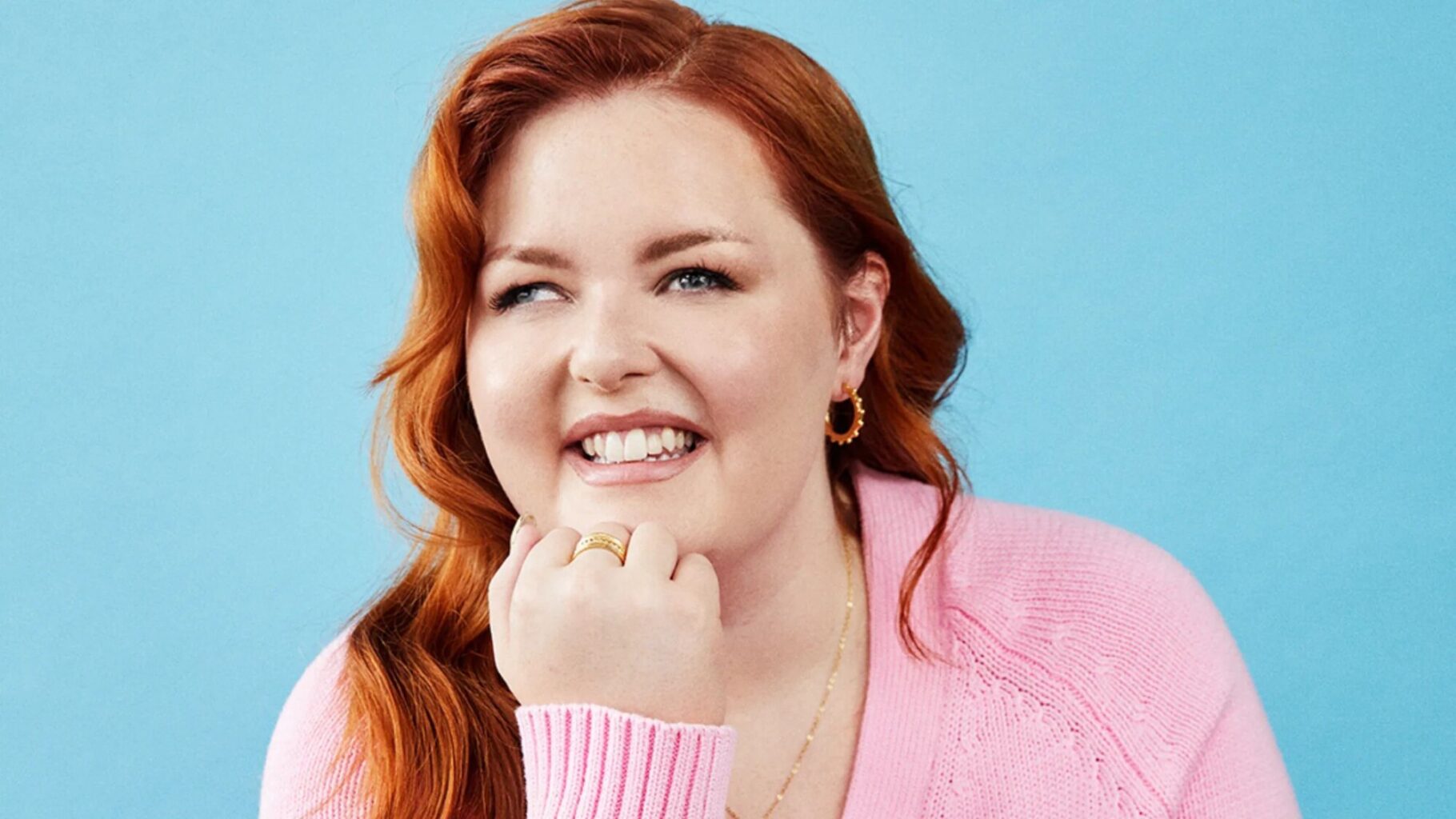
“For me, as a blind person, I haven’t been able to dip into my makeup bag and understand what I’m holding for 12 years,” Lucy Edwards tells a packed Beauty & Drinks Stage at London Packaging Week. “I lost my sight when I was 17, and now I’m nearly 30.”
The statement is simple, but it carries enormous weight. In an industry built on visual appeal, on subtle differences in colour, texture, and form, this reality is often invisible. Etia London, launching early next year, was born from this lived experience: a beauty brand intentionally designed for disabled consumers, but elegant and functional for everyone. With more than 1.3 billion people worldwide living with disabilities, the scale of this audience is immense; yet their needs have rarely shaped mainstream beauty.
At the helm is Edwards – a model, creator, broadcaster, and accessibility advocate, whose personal experiences inform every decision at Etia. She understands first-hand how exclusion is built into design, and she has spent years translating that insight into products, storytelling, and brand philosophy.
“When you’re a startup, money is scarce. But what we chatted about there is scarcity within packs, scarcity within the space. What can you do with just a whole lot of passion, time and not as much money?”
For Edwards, scarcity is not a limitation but a lens. It clarifies priorities, focuses creative energy, and highlights opportunities where others see obstacles. It has guided how she thinks about white spaces in the market, unmet needs, and communities often overlooked by mainstream brands.
“For me, my North Star is launching with Boots, launching on TikTok, and making a real splash in a white space that’s been overlooked – the disabled community. So often, the people creating beauty brands don’t look like me. And just for transparency, I’m completely blind, and my guide dog is currently at your feet. But I think what was really lovely about [speaking at London Packaging Week] is that I could talk about that completely openly and have the representation on a massive stage. I think TikTok enables you to scale at your own pace, and it’s also amazing because it goes directly to consumers. You can really showcase your brand storytelling in a really amazing way.”
TikTok, Edwards explains, isn’t just a platform for reach. It’s a space where representation matters, where her story and her community can connect directly to consumers without filters, and where Etia’s vision can be communicated authentically.
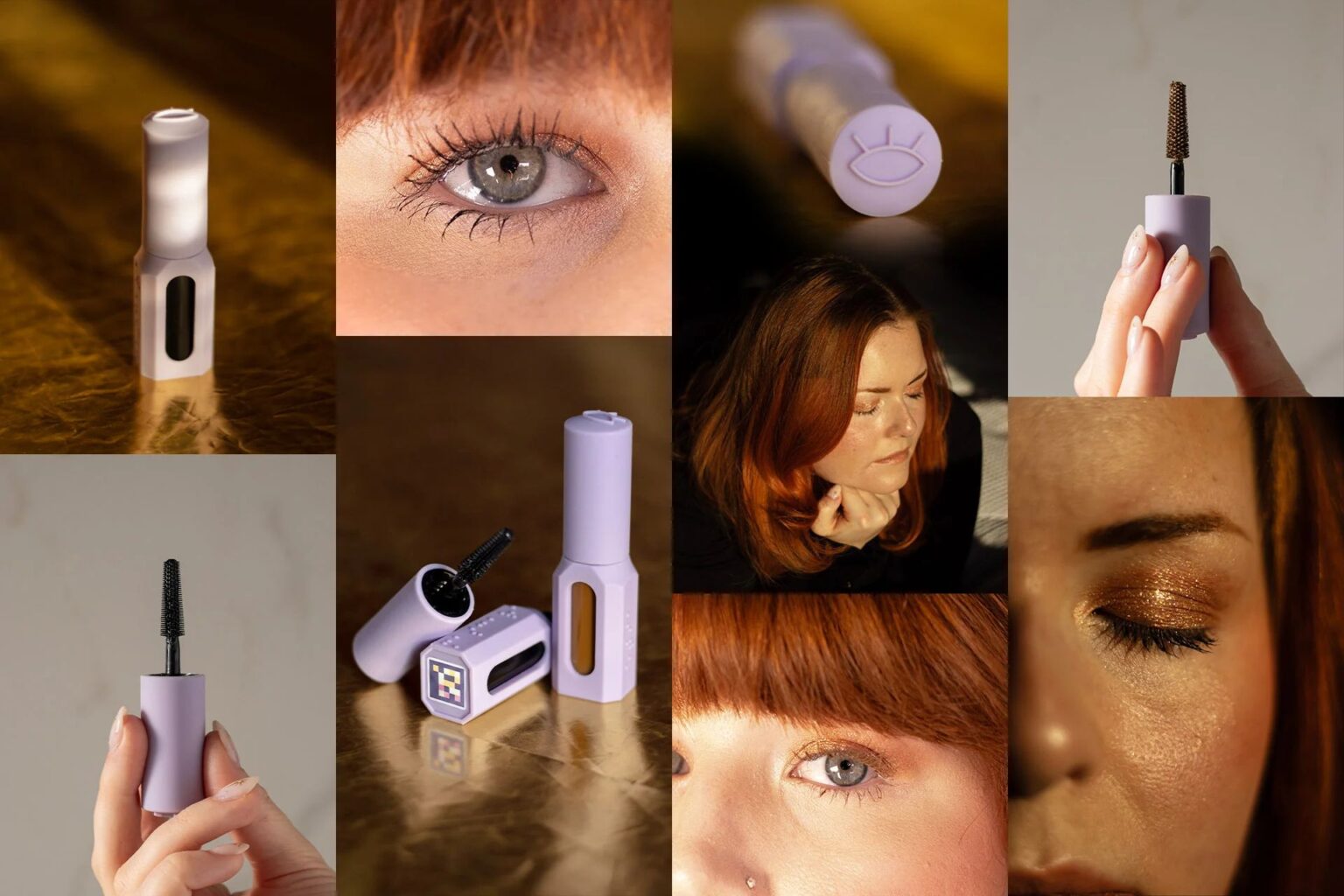
“Packaging for my brand is the thing that we focus on the most,” she revealed. “Of course, we have gorgeous formula, but for me, as a blind person, I haven’t been able to dip into my makeup bag and understand what I’m holding for 12 years since I lost my sight when I was 17 years old, and now I’m nearly 30. So it’s really understanding what that consumer wants, who I’m representing, that consumer, but also the wider consumer who hasn’t necessarily thought about this, and how on our packs can we make them aesthetic, but not only that, universally designed for everybody. So yes, we’re primarily targeting the disabled audience, but how are we making that experience on pack interesting for every single person?”
Modular, sensory, inclusive
Packaging becomes a tool of empowerment, a way to give consumers confidence and joy. And for Edwards, that extends beyond functionality; it’s about making inclusivity visible, tactile, and elegant. What begins as a disability-led design improvement becomes a universal advantage: better products for everyone.
“How is modular design and design as a whole really being thought about for all different subsections of society?” she said. “I mean, I’m always constantly inspired by the tech industry. My iPhone is something that I’m so inspired by, even for Etia. And I know that sounds weird for a beauty brand, but for me, I lost my sight in 2012, 2013. And only a few years before that, the iPhone was designed for me. Like, you can literally go into any iPhone setting and turn on accessibility features, and your phone suddenly becomes… It’s just a toggle; it moulds to you. So how are we seeing our packs in the real world, not to follow that tech formula, but how is modularity and modular design moulding to your consumer and the direct consumer that you’re looking at? And these sensory trends that we’re really seeing in the beauty industry are really inspiring me.”
Her inspiration from tech is practical: adaptive systems that respond to the user rather than forcing the user to adapt. Sensory design, modularity, and flexibility – these are principles Etia translates directly into beauty, from pack mechanics to textures and touchpoints.
“I think I’ve gone from seeing the world completely for 17 years and then suddenly for 12 years not seeing it at all. I think the wave of change in the tech industry has started first. But I think it’s going somewhere because there are voices like mine. Still, also within the pandemic, we had this massive influx of creators who look like me and are from all different subsections of society who are demanding different things from their packaging like never before.”
The pandemic catalysed a revolution in representation, proving that voices from diverse communities often overlooked could reshape what consumers expect from design and packaging.
“I even take inspiration from trends within AI. Even five years ago, I was looking at an app called Be My Eyes, and they came and said they had a beta app and that we’d just collaborated with ChatGPT for the first time. You are the first subsection of society to train this AI. And I was taking photos of things in my fridge, suddenly, and I was like, “Oh my gosh, I know what an expiry date is.” So, if we look at trends in anything, it starts with subsections of society like mine, where the growth happens because we’re really testing the packaging and everything. So, watch this space.”
Edwards’ experience shows that early adoption in underserved communities can spark innovation for the wider market. Accessibility drives creativity, which in turn benefits everyone.
Co-creating with community and partners
Collaboration has been crucial. Edwards deliberately partnered with UK-based suppliers so she could be hands-on, testing every tactile element and ensuring every partner shared her attention to detail.
“I was really specific in that I wanted quite a lot of partners that were in the UK, so I could go and feel and touch and really be hands-on with it. And I found that FACER in Leeds is amazing. Luke Wilson has just been stunning. He’s like, “Luce, you know, I’ve never done this before, but how do we do it? And what do we do?” You know, the number of meetings we’ve had, in person and via Zoom, where he’s ‘got his audio descriptive hat on,’ it’s been so refreshing. Deeper relationships have been built because I’ve needed that, and my brands and partners have gone the extra mile, allowing my team to be inspired and tweak something visually and aesthetically to make it better for the consumer. But also, we’ve got our focus groups. I’ve chatted to blind beauty lovers within my community. I’ve also got a focus group where we had a lot of people from my audience click on my stories and then get this massive drop-down questionnaire, and bless them, a lot of them answered. It has really helped me provide feedback on what exactly my community wants. And obviously you’ve got to start by targeting our community, and I say that they’re the best – they understand what the pitfalls are and they understand what’s not there, and there is a white space.”
Feedback loops with her community ensure that Etia doesn’t just claim to be inclusive – it is. Every decision, from colours to textures to storytelling, is informed by real users whose experiences guide the brand.
“I guess for me, it’s like, where were the holes? What were the colours that are not being used? What were the experiences that were not being touched at the touch points? How is our story being woven around that? And as we really focused on the panel, like how are we looking at content and then working back to how that reaction is going to be when developing the product? I myself am very much a first brand because of my experience and my other limited company, and I own a social media agency that is just my personal brand, so it’s really helped in developing Etia.”
Recognition from the wider industry has accelerated Etia, but Edwards remains deeply engaged in the nuts and bolts of building a brand.
“I had a few contacts because I won the Catalyst programme for an Estée Lauder grant that really accelerated Etia,” she added. “But what has been amazing is meeting people in person, looking at 3PL delivery people and outer box packaging, the amount of boxes that you need to own a beauty brand… So that was very refreshing for me. We could get everyone’s business cards. And I’m also so amazed by the calibre of talent we’ve got in the UK. I think it’s just brilliant, and everyone loves meeting Guide Dog Miss Molly.”
The combination of lived experience, community input, and practical execution makes Etia both real and aspirational. It demonstrates that beauty can be inclusive, sophisticated, and delightful without compromise.
Etia London is more than a brand – it is proof that accessibility can drive creativity, that inclusive design improves products for everyone, and that beauty, finally, can belong to all.
If you want to discover more brands like Etia and hear firsthand from pioneers shaping the future of accessible, innovative packaging, register your interest for London Packaging Week 2026 today!
Check out our socials
Lorem ipsum dolor sit amet, consectetur adipiscing elit Lorem ipsum dolor sit amet, consectetur adipiscing elit
The latest packaging projects
Movopack: The Italian start-up rewriting the rules of packaging – and winning hearts at London Packaging Week
Movopack, the Italian start-up redefining e-commerce packaging, wins hearts at London Packaging Week with a circular, reusable Packaging-as-a-Service system.
London Packaging Week 2025 welcomes record visitor growth
London Packaging Week 2025 sees 15% growth, bringing 5,752 visitors together to celebrate innovation, sustainability, and the future of packaging.