

FMCG News – Lidl extends Prevented Ocean Plastic to water bottle packaging

Lidl GB will integrate Prevented Ocean Plastic™ into its water bottles, marking a significant milestone as the first supermarket in the United Kingdom to adopt this transformation.

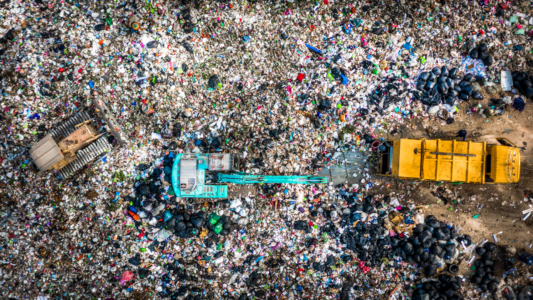
Lidl will introduce 1-litre San Celestino Italian Sparkling Mineral Water bottles, containing a minimum of 30% Prevented Ocean Plastic™, into their stores from July onwards. This initiative aims to address the issue of plastic waste that would have otherwise found its way into the ocean.

With an estimated annual sale of 12 million bottles, Lidl’s endeavour is predicted to save nearly 100 tonnes of plastic annually, equivalent to almost 4 million plastic water bottles. By embracing this sustainable change, Lidl is taking significant strides towards reducing ocean pollution.

Lidl has consistently demonstrated leadership in sustainability. In 2020, they became the first supermarket in the UK to adopt food packaging made from Prevented Ocean Plastic™. This initiative has since been extended to include a variety of Lidl’s own-brand products, such as fresh fish, breaded poultry, sausage, and fresh fruit. As a result, Lidl has already prevented more than 15 million plastic water bottles from polluting the ocean.

Check out our socials

Lorem ipsum dolor sit amet, consectetur adipiscing elit Lorem ipsum dolor sit amet, consectetur adipiscing elit

The latest packaging projects

The price of prestige: Why luxury’s squeeze could make packaging more important than ever

Luxury consumers are spending more carefully, regulation is intensifying, and brands are being challenged to deliver more with less. Yet Jane Hamilton, Senior Business Journalist at The Times, believes the desire for luxury remains remarkably resilient. Speaking at London Packaging Week, she argued that changing prestige economics could make packaging more important, not less.
Read More »
Nearly half of businesses report increased packaging waste under pEPR

Is pEPR creating more packaging waste than it prevents?

Extended Producer Responsibility (pEPR) has moved from being a future regulatory requirement to an active business cost for UK food and drink producers. With invoices now being issued and further reporting deadlines approaching throughout 2026, packaging decisions are becoming increasingly important not only for sustainability but also for managing compliance costs.

Read More »