
Nestlé’s £7M Investment Paves the Way for Revolutionary Plastic Recycling in the UK
Impact Recycling’s Durham Plant, Powered by BOSS Technology, Aims to Transform Flexible Plastics, Targeting Iconic Nestlé Products and Spearheading Sustainable Packaging Initiatives.
Photo from www.greenqueen.com.hk
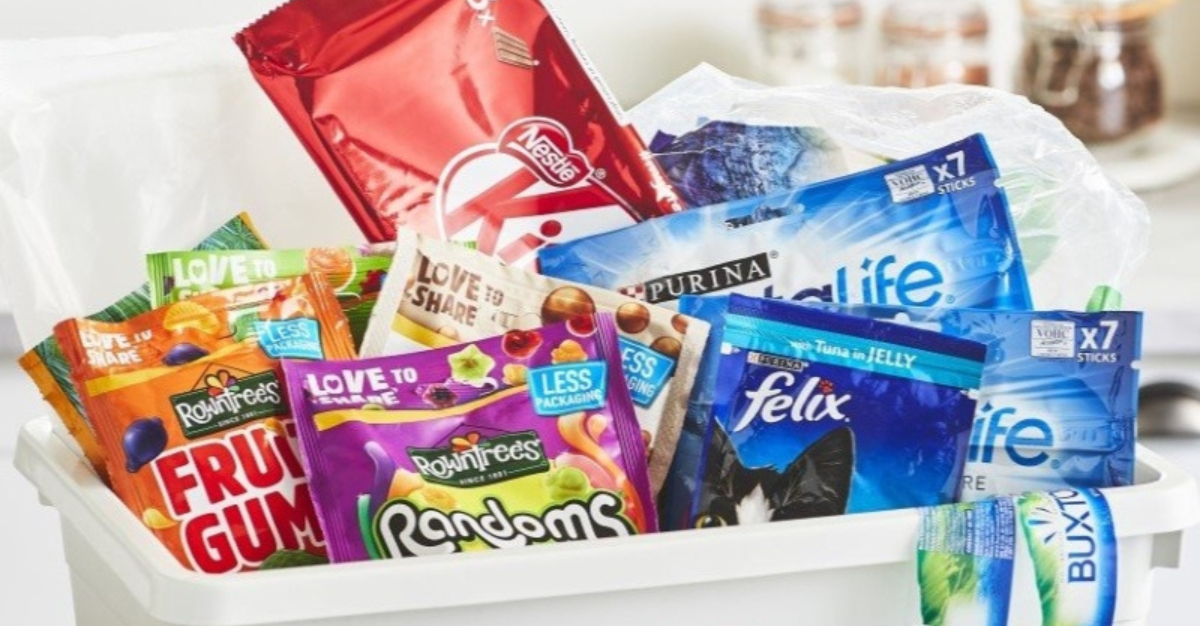
Nestlé UK and Ireland have pledged a £7 million investment in Impact Recycling’s revolutionary plastic recycling facility in Durham, UK. The plant, set to launch in late summer 2024, will employ the Baffled Oscillation Separation System (BOSS), a breakthrough technology designed to process challenging-to-recycle flexible plastics commonly used in food packaging.
The BOSS system uses water to spin waste plastics, facilitating efficient sorting based on density. This method streamlines the recycling process and aims to process 25,000 metric tons of hard-to-recycle plastics, producing pellets for new flexible products such as postbags and refuse bags.
The facility’s operational capacity is poised to exceed the volume of flexible plastic packaging introduced by Nestlé UK and Ireland, targeting specific products like KitKat, Purina, Rowntree, and Nestlé Cereal. Major supermarket collection points will be designated for material collection, enhancing the recycling process.
Sokhna Gueye, Head of Packaging at Nestlé UK and Ireland, emphasises their commitment to ensuring close to 100% of packaging is designed for recycling by 2025. Gueye expresses enthusiasm for packaging gaining a second life and highlights partnerships to encourage the UK’s collection and recycling infrastructure.
Despite challenges outlined in the Ellen MacArthur Foundation’s progress report, Nestlé remains dedicated to innovation and sustainable solutions for plastic packaging. Jodie Roussell, Global Public Affairs Lead for Packaging & Sustainability, acknowledges Nestlé’s unique challenges due to the necessity for food-grade plastic. Roussell highlights the company’s reduction in total packaging footprint from 4.7 million metric tons in 2018 to 3.6 million in 2022.
David Walsh, CEO of Impact Recycling, expresses gratitude for Nestlé’s crucial role in the initiative, citing the funding from Nestlé as instrumental for the development. Paul Davidson, Smart Sustainable Plastic Packaging Challenge Director at Innovate UK, commends the project’s contribution to increasing the UK’s capacity to recycle flexible plastic packaging.
Amid these positive developments, Nestlé faces legal action over recyclability claims on its PET bottles in the EU.
Check out our socials
Lorem ipsum dolor sit amet, consectetur adipiscing elit Lorem ipsum dolor sit amet, consectetur adipiscing elit
The latest packaging projects

The price of prestige: Why luxury’s squeeze could make packaging more important than ever
Luxury consumers are spending more carefully, regulation is intensifying, and brands are being challenged to deliver more with less. Yet Jane Hamilton, Senior Business Journalist at The Times, believes the desire for luxury remains remarkably resilient. Speaking at London Packaging Week, she argued that changing prestige economics could make packaging more important, not less.
Is pEPR creating more packaging waste than it prevents?
Extended Producer Responsibility (pEPR) has moved from being a future regulatory requirement to an active business cost for UK food and drink producers. With invoices now being issued and further reporting deadlines approaching throughout 2026, packaging decisions are becoming increasingly important not only for sustainability but also for managing compliance costs.