

Bottled Water Alert: New Study Reveals High Levels of Nanoplastics

Study Exposes Hidden Contaminants, Sparking Calls for Action in Beverage Industry and Regulatory Oversight

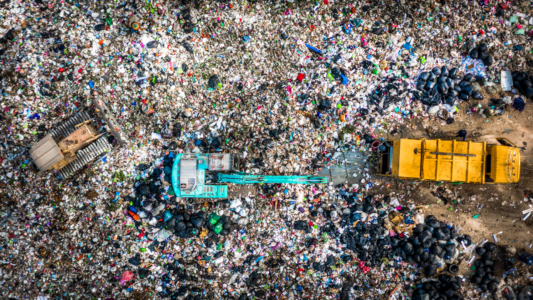
Photo from www.greenqueen.com.hk

A recent study conducted by researchers from Columbia and Rutgers universities in the USA has shed light on a concerning discovery: bottled water contains a significant amount of nanoplastics. Published in the Proceedings of the National Academy of Sciences, the study found that the average litre of bottled water contains nearly 240,000 invisible pieces of nanoplastics, with levels ranging from 110,000 to 400,000 particles per litre.

The source of this plastic contamination appears to originate from both the plastic bottles themselves and the reverse osmosis membrane filters used to maintain water purity. While the study has raised alarms about the presence of these nanoplastics, scientists have not definitively determined whether consuming them poses a significant health risk.

Commenting on the findings, Jo Royle, chief executive and founder of the advocacy group Common Seas, expressed deep concern over the pervasive presence of plastics in our environment and bodies. She highlighted the urgent need for governments worldwide to take decisive action, advocating for the banning of harmful plastic products and the establishment of a legally binding Global Plastics Treaty to address the threat posed by plastic pollution to human health.

In response to the study, the International Bottled Water Association issued a statement emphasizing the lack of standardized methods and scientific consensus on the potential health impacts of nanoplastics in drinking water. They cautioned against sensationalized media reports, suggesting that such reports may needlessly alarm consumers.

Check out our socials

Lorem ipsum dolor sit amet, consectetur adipiscing elit Lorem ipsum dolor sit amet, consectetur adipiscing elit

The latest packaging projects

The price of prestige: Why luxury’s squeeze could make packaging more important than ever

Luxury consumers are spending more carefully, regulation is intensifying, and brands are being challenged to deliver more with less. Yet Jane Hamilton, Senior Business Journalist at The Times, believes the desire for luxury remains remarkably resilient. Speaking at London Packaging Week, she argued that changing prestige economics could make packaging more important, not less.
Read More »
Nearly half of businesses report increased packaging waste under pEPR

Is pEPR creating more packaging waste than it prevents?

Extended Producer Responsibility (pEPR) has moved from being a future regulatory requirement to an active business cost for UK food and drink producers. With invoices now being issued and further reporting deadlines approaching throughout 2026, packaging decisions are becoming increasingly important not only for sustainability but also for managing compliance costs.

Read More »